TL;DR
To market a gym in the U.S., run a simple system: get found through local SEO for gyms, especially Google Business Profile, reviews, and clear service pages; convert local leads with one clear monthly offer and fast follow-up through SMS and email automation; and protect profit by improving onboarding and retention with gym loyalty programs, re-engagement sequences, and habit-based member communication. Track the numbers that matter most: cost per lead, cost per acquisition, show rate, close rate, lifetime value, churn, and 30/60/90-day retention. Then repeat monthly, improve weekly, and stop relying on random ads or last-minute discounts.
About This Guide
This guide was researched and written by the Wellyx content team in collaboration with gym marketing practitioners and independent gym operators across the United States. The strategy, frameworks, and recommendations it contains apply to any gym business, regardless of the software you use.
Where Wellyx features are mentioned, it is because they are genuinely relevant to the topic being discussed, not to replace the advice. The goal is to give independent gym owners a complete, practical marketing system they can act on from day one.
15 key gym marketing ideas at a glance
This guide covers each of these in depth. If you are short on time, use this list as your entry point and follow the links to the section that matters most right now.
- Complete your Google Business Profile — it is your highest-intent free marketing channel.
- Build a review generation habit — ask after every positive interaction, not just at renewal.
- Define one USP — know specifically why a member should choose you over every other option in your city.
- Know your ideal member in detail — a vague audience profile produces vague marketing.
- Run one clear monthly offer — consistency beats constant variation.
- Use a 7-day pass instead of a discount — it reduces fear, not price.
- Follow up within 5 minutes of every lead — speed is the single biggest conversion lever you control.
- Build 5 core automations — welcome, trial follow-up, onboarding, win-back, and renewal reminder.
- Post social content that proves, not promotes — behind-the-scenes footage and member stories convert better than offers.
- Use local micro-influencers over big names — audience fit in your city matters more than raw follower count.
- Build a referral program with a clear mechanic — word of mouth already happens; give it a system.
- Nail the first four weeks of onboarding — this is where retention is won or lost. n
- Run a win-back sequence at day 14 — re-engage members before they mentally cancel.
- Track CPL, show rate, close rate, and 30/60/90-day retention — these four numbers tell you where your system is leaking.
- Treat marketing as a system, not a campaign — one monthly offer reviewed weekly beats quarterly bursts of activity.
A strategy alone will not save you. If your gym runs on disconnected apps, broken booking flows, paper waivers, and staff workarounds, your marketing will leak at every stage. You may generate leads, but you will not convert or retain them consistently.
That is why execution matters as much as strategy. An all-in-one platform gives owners and staff one place to manage scheduling, lead follow-up, digital forms, payments, member communication, and reporting.
As Danielle at Grit to Greatness Performance put it,
“In Wellyx you can do everything at once and that’s what I really loved about it.”
If you are trying to grow with too many tools stitched together, the member feels that friction immediately. They feel it when booking is clunky. They feel it when forms are messy. They feel it when payments fail, reminders do not arrive, or staff cannot answer simple questions quickly. Trust drops fast. So does retention.
This guide shows you how to market a gym in the U.S. with a system you can actually run, one that gets you found, helps you convert faster, and gives members a cleaner experience from first click to long-term loyalty. You can see that approach more clearly in Wellyx Marketing, where growth and member experience are built into the same system.
What is gym marketing?
Why does marketing a gym need a winning plan?
Most gym owners are not short on effort. They are short on time, headspace, and clean systems.
Marketing usually gets pushed into the gaps between coaching, admin, staff questions, payroll, waivers, and schedule changes. That is where the real problem starts. When the business runs on confusion and paperwork, growth slows down. Staff spend too much time chasing details. Owners get pulled back into daily fixes. And the member feels that friction almost immediately.
A gym cannot scale if the team is unclear, under-equipped, or buried in manual work. Staff need structure. They need training. They need tools. As Thamar Hewsen at Asylum Gym put it,
“The three things that I know that any person needs is they need clear expectations, they need training, and they need tools.”
That is where an all-in-one syal value mstem stops being a convenience and becomes a growth tool. With Wellyx Scheduler, your team can manage classes, appointments, and staff availability without the usual back-and-forth. With Digital Forms, you can replace messy paper waivers and patchy onboarding with a cleaner first interaction that feels professional from the start. With Wellyx Payroll, owners spend less time buried in back-office admin and more time focusing on growth.
That matters for retention as much as operations. If a new lead walks in and gets handed a paper form on a clipboard, waits while staff hunt for the right schedule, or feels the front desk is making it up as they go, trust drops straight away. Clean digital forms and seamless scheduling are not just admin upgrades. They are retention tools. They shape the member’s first impression of how organized, modern, and reliable your gym really is.
A winning marketing plan still matters because it makes your offers repeatable and your results measurable. But without the right tools behind the team, even a smart strategy breaks down under operational pressure. The owner stays stuck in admin. The staff stays reactive. The member experience becomes inconsistent. And inconsistent businesses do not grow cleanly.
Understanding the gym market in the United States
Demand exists, but attention and trust are competitive. IBISWorld says the U.S. gym, health, and fitness club industry was worth $46.4 billion in 2025, while SFIA says 247.1 million Americans participated in at least one activity in 2024, equal to an 80% participation rate. The CDC still recommends at least 150 minutes of moderate-intensity physical activity per week plus two days of muscle-strengthening activity for adults. That combination tells you something important: the market is large, health motivation is real, and your job is not to create demand from nothing. Your job is to turn attention into trust, and trust into routine.
Digital reach is not the bottleneck. Clarity is. DataReportal reported 253 million social media user identities in the U.S. in January 2025, equal to 73% of the population. Pew’s 2025 survey adds a practical planning angle: YouTube and Facebook remain the most widely used platforms among U.S. adults, and Instagram reaches half of adults. That does not mean you should post everywhere. It means your marketing should show up where local buyers already go to check proof.
Why one-channel marketing fails
Every platform changes its algorithm. Every ad platform raises its costs. Gyms that rely on a single channel, usually Instagram or paid social, hit a cliff when that channel weakens. A better system uses three or four channels that reinforce each other: local search brings discovery, content builds trust, email converts and retains, and referrals compound the whole thing.
Why does my gym need a custom-branded app?
Because your brand should not disappear the moment a prospect becomes a member.
A custom-branded app gives your gym one digital home that feels professional, credible, and fully yours. Instead of pushing members through a patchwork of third-party tools, Wellyx keeps booking, payments, schedules, memberships, and account access together in one branded experience that reflects the quality of your business.
That matters because most gym owners spend too much time chasing visibility and not enough time protecting the experience they actually own. Social platforms help people find you, but they do not belong to you. Your app does. Your booking flow does. Your member journey does. That is where trust is built, and that is where Wellyx gives gym owners a clear advantage.
When a prospect clicks through and then gets bounced between different apps for booking, payments, memberships, and communication, confidence drops quickly. Staff feel that pressure too. They end up managing gaps that should not exist in the first place. Wellyx removes that fragmentation by bringing those touchpoints into one connected system, so the member experience feels simple from the start.
That is exactly why the branded app stands out. With Wellyx, your business can have its own branded app presence in the iOS App Store and Google Play, giving members a smoother experience and giving your brand a stronger presence in the market. That visibility is not just convenient. It reinforces trust. As Anmarie at KokoBeenz put it,
“I was sold on the branded app, right? I was sold on that one… the biggest thing for me to be on the app store.”
That prestige matters. It tells prospects and members that your gym is established, modern, and serious about delivering a better experience.
This is the shift gym owners need to make: stop thinking only about how people discover your business and start thinking about what they experience once they do. Reviews matter. Search visibility matters. Social proof matters. But the owned digital experience, especially a branded app powered by Wellyx, is what turns attention into trust and trust into long-term retention.
The full marketing funnel for gyms
The best way to market a gym is to build a full path from first contact to long-term membership in gym lead management system:
Awareness → Consideration → Conversion → Retention.
Most gyms struggle because they market only at the conversion stage, usually with a discount, before they have earned enough trust.
Awareness is how people discover you. Local search is one of the highest-intent awareness channels because it happens close to decision time.
Consideration is research. Prospects check your reviews, photos, schedule, vibe, and whether you look beginner-friendly. BrightLocal’s 2025 survey found that only 4% of consumers say they never read online reviews. If your review presence is weak, your marketing will feel expensive no matter how good your ads are.
Conversion is the first step you ask them to take. In most gyms, the cleanest entry points are an intro session, a consultation, a trial, or a starter program with a defined outcome. Keep one offer stable for a full month so you can actually measure it.
Retention is profit. Long-staying members create referrals, reviews, and content. If retention is weak, you are not really losing at marketing. You are losing at onboarding.

Know your audience
Knowing your audience is the first step. Building a system that can serve that audience properly is what turns that understanding into growth.
A gritty performance center, a boutique studio, and a high-end healthcare clinic may all need scheduling, payments, forms, communication, and follow-up, but they do not run the same way. Their clients expect different experiences. Their staff work differently. Their services, pace, and pressure points are different too. That is exactly why flexibility matters.
Wellyx is built to adapt to the business you are running, not force you into a rigid template. Whether you are selling high-performance coaching, running a premium studio, or managing a healthcare-led operation, the system has to support the way your audience actually buys, books, trains, and stays engaged.
That matters because audience fit is not only a marketing issue. It is an operational one. If your systems do not match your model, the friction shows up fast. Staff feel it. Clients feel it. And growth slows down.
Support also matters just as much. In niche businesses, slow support is not a small inconvenience. It can cost you sales in real time. Danielle at Grit to Greatness Performance put it clearly:
“The customer support is another thing I found lacking. Um, with a lot of other softwares, the support would be like two, three day turnaround… a lot of times you need help now to make that sale.”
That is why responsive support is part of the product, not an extra. When you are serving specialized markets, you do not always have time to wait. You need answers when the sale is live, when the client is ready, and when your team needs help now.
Wellyx also has the range to support businesses beyond the standard gym model. As one clinic customer explained,
“We’re not a gym at all… we represent a new market for you guys. So, we’re straight up healthcare.”
That range matters. It shows that the platform is not limited to one type of fitness business or one type of customer journey. It can support very different audiences, expectations, and workflows without losing clarity.
So yes, you still need to know your target member type. But you also need software that can keep up with the kind of business you are actually building.
Know your target member type
One of the most common mistakes independent gym owners make is trying to appeal to everyone. A 22-year-old competitive bodybuilder and a 54-year-old woman returning to exercise after a knee replacement both want to get fit, but they respond to entirely different messages, platforms, imagery, and offers. If your marketing tries to speak to both simultaneously, it will likely connect with neither.
What a member profile actually is
A member profile is a detailed, semi-fictional representation of your ideal member. It goes well beyond basic demographics. It includes their daily routine, frustrations, fitness history, what they read, where they spend time online, what they have tried before, and why it did not stick.
A profile that reads “women aged 30–45 interested in fitness” is nearly useless. A profile that reads “Sarah, 38, works full-time in healthcare, has two kids, feels guilty about neglecting her health, has tried and quit three gyms in five years because she felt lost and unmotivated” is something you can actually write an ad around.
See your target in four dimensions
Mindset and life stage. A 25-year-old often discovers you through social content, responds to visible progress, and may have a flexible schedule but a tighter budget. A 45-year-old is more likely to care about injury prevention, long-term results, and convenience.
Fitness goal. People do not buy gym memberships. They buy outcomes. “Lose the weight you’ve been carrying since lockdown” hits differently than “state-of-the-art equipment and expert coaching.” Know the outcome your ideal member is chasing and speak to it directly.
Lifestyle and schedule. A shift worker needs flexibility and 24-hour access. A busy parent needs a gym close to school or work with a quick class format. A remote worker might prize a mid-morning session. Your class schedule, opening hours, and even your parking situation are marketing decisions once you know who you are designing for.
Income level and price sensitivity. A premium gym serving professionals should not lead with discount offers. It undercuts the positioning and attracts the wrong member. A community gym needs to show clear value. Misalignment between your pricing and your target member’s expectations kills conversions before they start.
How to build your profiles
The best source of data is already inside your gym. Talk to your longest-standing members: why did they join, what almost stopped them, and what keeps them coming back? Look at the members who refer the most new people. They are often closest to your ideal profile.
Aim to develop two or three distinct profiles. Give each one a name and a face. It sounds trivial, but it makes the profiles genuinely usable in day-to-day marketing decisions.
Aligning your gym type with the right marketing channel
Different gym models attract different motivations. Your channel strategy should match.
| Gym type | Primary audience | Best channels | Why it works |
|---|---|---|---|
| Boutique studio | Lifestyle-focused, 28–45 | Instagram, referrals, community events | Visual and community-driven |
| CrossFit box | Performance-focused, community-driven | Email, Facebook groups, local SEO | Trust and community-based decisions |
| MMA or boxing gym | Identity-driven, energy-seeking | YouTube, local creators, Google Ads | Visual proof and coaching credibility |
| Commercial big-box | Broad demographic | Google Ads, local search, citywide promotions | Wide audience needs broad reach |
| Luxury wellness club | High-income, 30–55 | Instagram Reels, creator collaborations | Premium feel, visual branding |
If you are planning how to market a CrossFit gym, your best prospects want community and coaching, but many are intimidated. Make scaling obvious in your content. If you are planning how to market a boxing gym, prospects want energy and identity, but beginners fear being exposed. Show structure and safety first.
Brand foundation
Build your brand foundation: the USP that drives everything.
What a USP actually is
A USP, or Unique Selling Proposition, is not a tagline. It is the specific, honest answer to the question every prospect is silently asking: Why should I train here instead of somewhere else? It needs to be true, meaningful to your ideal member, and difficult for a competitor to copy.
Independent gyms lose members to chains not because they are worse, but because they fail to communicate why they are better. Your USP is the cure for that.
How to differentiate your gym
Location and access. Sometimes differentiation is physical and obvious. A gym with daylight, parking, clean showers, and simple access can win against a better-equipped competitor that feels inconvenient. Just like, Zack Camilleri at Prestige Fitness made a deliberate decision not to locate in an underground space, specifically because he knew that the first physical impression of a space shapes how people feel about training there before they have even touched a piece of equipment. That is differentiation built into the real estate decision, not bolted on through marketing copy.
Community and culture. A gym whose culture is genuinely welcoming and whose coaches know every member’s name has a USP a chain cannot replicate. The challenge is making that culture visible before someone walks through the door. As Thamar Hewsen at Asylum Gym puts it, “These people are the lifeblood of the gym. They should not be treated like contractors.” That attitude toward staff directly shapes the member experience, and it is the kind of thing that shows up in reviews, in referrals, and in how long people stay.
Expert coaching. If your coaches carry real credentials, specialist knowledge, or a proven beginner-friendly approach, lead with that. Danielle at Grit to Greatness Performance built her gym’s positioning around exactly this: “My husband’s done a great job setting himself apart as like a performance coach, not just a trainer with a certificate.” That distinction — performance coach versus credentialed trainer — is a USP that attracts a specific type of client and repels everyone who just wants a cheap membership. That is the point.
Niche programming. A gym that serves everybody often serves nobody particularly well. Danielle’s model illustrates this directly: “We’re doing small group personal training with six to eight people where you’re going to feel like you’re in a personal training session.” That format is the product. It is specific, it is hard to copy at scale, and it speaks directly to the person who has been lost in a big gym before.
Brand consistency across every touchpoint. Your USP only works if it shows up everywhere the prospect looks. As Sarah Chaplin at Apex Fitness puts it: “We’ve got a website, we’ve got an app, we’ve got an Instagram account… everything has to be the same. We have to have consistency across those platforms.” A strong USP that appears on your website but disappears on your social profile, or sounds different on your booking page, loses its credibility fast.
How to find your USP
Start by asking your best current members two questions: Why did you join? and Why do you stay? Then look at your local competitors honestly. Visit their websites. Read their Google reviews, especially the negative ones, because a competitor’s weaknesses are your opportunities. Finally, ask yourself what you would refuse to compromise on even if it cost you members. That stubbornness is usually where your real identity lives.
Putting your USP to work
Once you have a clear USP, it should appear everywhere: your website headline, your Google Business description, your social bio, your ads, and the language your staff use with walk-ins. A gym whose USP is built around elite coaching should not run discount promotions every January. It undermines the positioning. Consistency is what makes a USP credible.
Digital channels
SEO and local search
SEO and Google Business Profile: your most important free marketing tool
When someone in your city decides they want to join a gym, the first thing they do is pick up their phone and type “gym near me” into Google. Local search is the single highest-intent marketing channel available to an independent gym. The person searching is already motivated, already looking, and already close to a decision.
Your Google Business Profile
Your Google Business Profile is the listing that appears in Google Search and Google Maps when someone looks for a gym in your area. It is free to set up and, for most independent gyms, it will drive more new member inquiries than most broad awareness tactics.
Fill out every field Google gives you: full address, local phone number, website URL, primary category, accurate hours including holiday variations, and a business description that includes your neighborhood name, your city, and the types of training you offer. Google’s own guidance says businesses with complete and accurate information are more likely to show up in local search results.
Upload real photos of your gym floor, equipment, classes in session, and coaches at work. The goal is simple: help a prospect answer the question, “What is this place actually like?” Use the Posts feature for updates, offers, and events so the profile does not feel abandoned.
Reviews: your most powerful trust signal
BrightLocal’s 2025 Local Consumer Review Survey found that only 4% of consumers say they never read online business reviews. Reviews are not a vanity metric. They are part of the buying journey. BrightLocal also found that 63% of consumers expect a response within roughly two to three days up to a week.
Build review generation into your regular operations. The best moment to ask is immediately after a positive interaction, when a member hits a personal best, completes a first month, or thanks a coach. Train staff to recognize those moments and follow up with a direct ask and a link.
Website local SEO
Ensure your name, address, and phone number appear in text on every page. Create location-specific pages if you serve multiple areas. Use locally specific phrases naturally, such as “gym in [neighborhood]” or “personal training in [city].”
When doing local SEO for gyms, keep your business details consistent across your website, Google, Yelp, Facebook, Apple Maps, and other directories. Google explicitly emphasizes accurate and complete business information for local visibility.
Social media
Social media: authenticity is your competitive advantage
The single biggest asset an independent gym has on social media is authenticity. Your members have names, faces, and stories. Your coaches have personalities. Your gym has a culture that either draws people in or it does not.
It is also worth noting what the most effective gym owners have found in practice. As Danielle at Grit to Greatness Performance puts it:
“A lot of networking has been huge for us… zero paid advertising on social media.”
That is not an argument against paid social, it is evidence that organic content, done consistently and authentically, can drive real member growth before a single dollar is spent on ads.
What to post and where
Instagram remains a strong platform for visual proof. Facebook still matters for community building and local discovery. YouTube is useful when prospects want to inspect your atmosphere, equipment, and coaching style before they commit. Pew’s 2025 data confirms that YouTube and Facebook still reach the largest shares of U.S. adults, while Instagram reaches half of adults.
The content mix that works best balances four types: behind-the-scenes footage, educational content, member stories and transformation content with permission, and promotional content. That last category should be the smallest part of your mix. A feed that is mostly promotional trains people to scroll past you.
Transformation content deserves particular attention. As Anmarie at KokoBeenz explains:
“Transformation is the big word there. Once before, after — we’re going to choose the products that’s going to give us that result. If they can’t see something…”
The point is direct: if a prospect cannot picture their own result in your content, they will scroll to the gym that shows them one.
Consistency beats perfection
The most common reason gym owners fall off social media is the belief that every post needs to look polished. Three genuine posts a week will usually outperform one polished post every ten days because frequency keeps you present and gives the platform more material to distribute.
Engage, don’t just broadcast
Posting is only half the job. The gyms that build real community on social media treat it as a two-way channel. Reply to every comment. Respond to every DM. When a member tags your gym in a post, reshare it and thank them by name. That behavior costs nothing and signals to prospects — who are watching before they ever make contact — that your gym is attentive, human, and worth joining.
Three social tactics that convert without discount addiction
Use a low-friction CTA such as “DM START and we’ll send the booking link.” Run a 7-to-14 day consistency challenge that leads into your monthly offer. Post behind-the-scenes proof: short tours, real session clips, and coach cues. Most prospects are evaluating culture and beginner-friendliness more than equipment.
Email and SMS marketing
Email marketing for gyms: automation that runs while you train
Email marketing for gyms remains one of the easiest ways to convert and retain because you own the channel and can automate it entirely. A lead nurture series answers common objections and shows what the first visit looks like. A new member onboarding series sets expectations for week one and reinforces attendance. A reactivation series helps members restart without shame.
As Danielle at Grit to Greatness Performance puts it:
“I find real reward in setting up automations so we have less on our plate manually to do as being a business owner can be very overwhelming.”
That is the practical value of email automation — it removes the manual burden while keeping communication consistent, even on your busiest days.
GetResponse reports that welcome emails average an 83.63% open rate, much higher than typical broadcast emails. Your system should trigger a welcome email immediately after signup, with one clear CTA: book the intro, confirm the first session, or claim the first-week plan.
The 5 automations every gym needs
| Automation | Trigger | Goal |
| New lead welcome | Within 5 minutes of sign-up | Build trust and prompt first booking |
| Trial follow-up | Day 1, 3, and 7 | Convert trial to membership |
| New member onboarding | Days 1, 7, 14, and 30 | Build habits and reduce early churn |
| Win-back | No visit in 14 days | Re-engage before cancellation |
| Renewal reminder | 30, 14, and 7 days before expiry | Prevent passive churn |
With Wellyx Marketing Campaigns, these automations connect directly to your booking and membership data, so triggers fire based on real member behaviour rather than time delays alone.
SMS marketing
SMS is the channel for urgency and immediacy. Twilio reports SMS open rates of around 98%, with most texts read within minutes — which is why text works best for reminders, confirmations, flash availability, and short win-back nudges.
Use SMS for class reminders, same-day appointment reminders, short win-back messages, and time-sensitive offers. Keep it short, personal, and opt-in compliant.
Paid advertising and automated lead capture
Paid advertising: Google and Meta without burning your budget
Paid ads work when they support a strong system, not when they try to compensate for a weak one. If your Google Business Profile is thin, your offer is vague, or your booking flow is clunky, ads will bring attention but they will not produce enough good-fit members.
Before committing budget to paid advertising, it is worth being clear-eyed about whether your business model actually supports it. James Watkins, a digital marketing consultant who has worked with independent gym owners across the UK, puts it directly:
“For an independent owner with one or two locations, diving straight into Pay-Per-Click advertising is a strategic minefield that hinges entirely on your business model. If your facility relies on standard £20-a-month memberships, PPC is almost certainly a cash-burn. Between the reality of bidding against national fitness franchises with vast budgets and the agency management fees required to run a campaign, your profit margins will be swallowed whole. However, if you offer premium coaching or high-ticket personal training packages, PPC can become a viable channel because the higher lifetime value of that member justifies the acquisition cost. Ultimately, regardless of your pricing tier, I always advise independent owners to build their foundation first. You will see a much faster, sustainable return by concentrating your initial efforts on dominating Local SEO and community-focused direct marketing before taking on the complexities of paid ads.”
When you are ready, use Google Ads for high-intent searches such as “gym in [city]” or “CrossFit near me.” Use Meta for retargeting, lookalikes, and campaign-specific offers. WordStream’s 2024 benchmark data reported an average cost per lead of $21.98 across industries for Facebook lead campaigns, but your real result depends less on the platform and more on what happens after the click.
The sharpest conversion tool you have is booking
A lot of gyms think their best conversion tool is the ad. It is not. It is the booking experience.
If a prospect can book a class, consultation, or trial in seconds, the sale keeps moving. If they hit friction, confusion, or delay, momentum dies. That is why seamless class and service booking is one of the strongest conversion tools a gym has. It turns interest into action while motivation is still high.
It also protects retention. Members judge your business every time they try to book. If booking feels easy, your gym feels organized. If booking breaks, your marketing promise breaks with it.
That is why booking glitches are so dangerous. They do not just hurt one transaction. They damage trust, frustrate regular members, and create churn. Boo Jackson at Factory Fitness described that frustration clearly when talking about Mindbody’s renewal issues:
“In the few days before the renewal… you then can’t sign up for those [classes]. So then you get locked out… they’re regular members… and they can’t understand why.”
That kind of experience does not feel like a software issue to the member. It feels like the gym is unreliable.
With Wellyx Class Booking, that handoff is cleaner. Members can move from interest to action without the friction that causes hesitation, confusion, or drop-off.
Automated lead capture: what offer converts best?
For a general gym, a 7-day pass often works better than a one-off free class because it gives the prospect more than one visit to learn the space, meet the team, and imagine themselves building a routine. For class-led studios, a free class or a low-cost intro package may fit better because the experience is the product.
A useful rule is this:
- 7-day pass for general membership gyms and broad local lead generation
- Free class for boutique or class-led concepts
- Low-cost starter pack when you want better lead quality than “free” usually attracts
A real-world lead form example
A strong Facebook Lead Ad offer for a general gym looks like this:
Headline: Claim your 7-day local gym pass
Subhead: Try the gym, meet the coaches, and see if it fits your routine
Form fields: First name, email, mobile number, preferred training time, primary goal
Thank-you screen CTA: Book your first visit now
That performs better than “Join now” because it lowers fear. It gives the prospect a smaller, safer first step.
Exactly how to map Facebook Lead Ads into the CRM
This is where many gyms lose money. The ad generates a lead, but the lead sits in a spreadsheet, gets exported later, and goes cold.
Use this flow instead:
- Facebook Lead Ad captures the form
- The lead flows straight into your CRM
- The lead source is tagged as Facebook Lead Ad
- The campaign is tagged to the exact offer, for example: 7_DAY_PASS_MARCH
- An automated SMS goes out within 5 minutes
- An automated email goes out within 5 minutes
- The booking link is included in both
- Reminders continue until the visit is booked
- No-show follow-up triggers if the booking is missed
- The source stays attached through sale, so you can track lead → show → close → retention
That is the difference between lead capture and lead management.
When Wellyx Lead Management is connected properly, the enquiry does not just get captured. It gets routed, tagged, followed up, and pushed toward a real booking while the lead is still warm.
What the first automated follow-up should say
SMS sent within 5 minutes:
“Hey Sarah, thanks for claiming your 7-day pass at [Gym Name]. Here’s your booking link for your first visit: [link]. Reply here if you want help choosing the best time.”
Email subject:
“Your 7-day pass is ready”
Email body:
“Thanks for requesting your pass. The next step is simple: book your first visit here [link]. We’ll show you around, help you get started, and make sure you know exactly what to do on day one.”
The real point
Marketing campaigns do not fail only because the ads are weak. They often fail because the handoff after the click is weak. If lead capture, booking, and follow-up are connected, conversion improves. If they are fragmented, even strong campaigns leak.
That is why lead management, class booking, and campaign execution need to live inside one connected workflow, not across disconnected tools. You can see that more clearly in how Wellyx Marketing Campaigns connect outreach to action instead of leaving owners to patch everything together manually.
Influencer marketing for gyms
How local gym buyers actually use creators now
Local buyers do not make decisions from ads alone anymore. They check TikTok, Instagram Reels, Stories, and YouTube Shorts to see what a gym actually feels like. They want video proof of the atmosphere, equipment, cleanliness, beginner-friendliness, and coaching style before they take the first step.
Why local micro-influencers beat bigger names
The creator economy reached $37 billion in projected U.S. ad spend in 2025, which shows how normalized creator partnerships have become. But for a local gym, audience fit matters more than raw reach. A creator with 10,000 to 50,000 followers in your city and strong engagement is often more useful than a larger creator with weak local relevance.
As a practical test, a creator with 10,000 followers and 4% engagement is usually more valuable to a local gym than a creator with 1 million followers and 0.5% engagement, because the smaller account is more likely to drive actual local action.
How to identify local gym influencers
Start with localized hashtag and geo-tag searches on Instagram and TikTok:
- #[YourCity]Fitness
- #[YourCity]Trainer
- #[YourNeighborhood]Gym
- Geo-tags for your city, neighborhood, local parks, race events, and fitness studios
Then check:
- Who posts consistently from your area
- Who gets comments from real local people
- Who already creates fitness, wellness, or lifestyle content
- Who feels credible on camera
- Who looks like someone your target member would trust
Also look at:
- Competitor tagged posts
- Local event coverage
- Charity races
- Yoga, run-club, and wellness event content
- Local coaches and creators who already show their routines publicly
What deliverables to define before you agree to anything
Do not hire a creator based on “one Reel and a shoutout.” That is vague, and vague campaigns underperform.
Set exact deliverables:
- Platform: Instagram, TikTok, YouTube Shorts, or a combination
- Number of Reels
- Number of Stories
- Whether a static post is included
- Whether the creator must pin the Reel
- Whether the gym is tagged in every asset
- Whether a booking link is placed in bio or Story sticker
- Whether the creator must attend one class or a full challenge
- Exact posting window and dates
A practical 2026 compensation range
As per InfluenceFlow, there is no universal price card, but current 2026 rate guides put many micro-influencer deliverables in the low hundreds of dollars per asset, depending on platform, engagement, production effort, usage rights, and audience quality. Practical ranges commonly start around $100 to $500 for micro-influencer work, and examples in current rate guides show individual assets such as Stories, posts, and Reels often priced separately.
For a local gym, the most practical compensation models are:
- Free annual membership + $100 to $250 per Reel
- Free 3-month membership + $50 to $150 per Story set
- Flat campaign fee, for example $400 to $1,200 for a 2-week campaign
- Hybrid model, such as a smaller fixed fee plus bonus per signup
- Free access only, but only for very small local creators or true member-ambassadors
The right choice depends on the creator’s production quality, local relevance, and whether you want usage rights for paid ads.
What should be in the contract
This is not a legal substitute. It is the practical checklist your lawyer should make sure is covered.
Your influencer agreement should include:
- Legal names of both parties
- Exact deliverables and deadlines
- Platform and post format
- Required disclosure language such as #ad or clear sponsorship wording
- Approval and revision process
- Payment terms and timing
- Usage rights for organic and paid use
- Exclusivity clause, if needed
- Content ownership or licensing period
- Cancellation terms
- Conduct and reputational-risk clause
- Independent contractor status
- Confidentiality
- Promo code or tracking link requirements
- Gym filming rules and safety compliance
- Assumption-of-risk acknowledgment and waiver consistency with your facility’s existing policies
- Confirmation that the creator is physically able to participate or films at their own risk
- Liability allocation and insurance review if higher-risk content is being filmed
The Federal Trade Commission (FTC), requires clear disclosure of material connections between brands and influencers. If the creator is paid or given free membership, that relationship needs to be disclosed clearly.
A 14-day campaign timeline for a “30-Day Challenge”
This is the kind of structure that converts better than one random Reel.
Day 1: Teaser Story : “I’m trying a 30-day challenge at [Gym Name]”
Day 3: Gym tour Reel: show environment, beginner vibe, and setup
Day 5: Coach intro Story: explain who helps new members
Day 7: First workout Reel: show what a real beginner session looks like
Day 9: FAQ Story: answer fear-based objections
Day 11: Offer Reel: explain the challenge, deadline, and booking link
Day 12: Reminder Story: “seats are filling”
Day 14: Hard CTA Story + link sticker + code
Why a 7-day pass converts better than a 10% off code
A discount code assumes the buyer already wants the gym and just needs a price nudge. Most local gym prospects are not at that stage. They are still trying to answer: “Will I fit in? Will I know what to do? Is this place worth my time?” A 7-day pass answers those fears. A 10% discount does not.
A realistic campaign example
A 14-day campaign with a local lifestyle creator in the 18,000-follower range promotes a 30-Day Beginner Challenge. The offer is a 7-day pass plus consultation, not a discount. The creator posts 2 Reels, 5 Story frames, and one gym tour. The campaign sends traffic to a dedicated landing page with the creator code JESSSTART. The gym spends $650 total, gets 52 leads, 19 booked intros, 13 shows, and 6 new members. That puts cost per lead at $12.50 and cost per acquisition at about $108. That is not a universal promise. It is a realistic example of the kind of tracked math owners should be doing.
How to build the tracking link
Do not send creator traffic to your homepage. Use a dedicated landing page and a clean UTM link.
A basic structure looks like:
https://yourgym.com/7-day-pass?utm_source=instagram&utm_medium=influencer&utm_campaign=30daychallenge&utm_content=jessfit
This lets you identify:
- Platform
- Creator
- Campaign
- Asset variation
If you want cleaner links, shorten them with a branded shortener or a link tool.
The follow-up funnel when someone claims the pass but does not show
If someone downloads an influencer guest pass but does not show up, trigger this sequence.
Email 1 — same day
Subject: Your pass is still active
“Thanks for claiming your pass through Jess. Your first visit is still waiting for you here: [link]. If you want help choosing the best time, just reply.”
Email 2 — 48 hours later
Subject: Most first-timers choose this option
“Not sure where to start? Book the beginner-friendly session. We’ll show you around and make the first visit simple.”
Email 3 — 5 days later
Subject: Your pass expires soon
“Your pass is still open, but it won’t stay active forever. Book here before it expires: [link].”
Local and offline marketing
Referral programs: word of mouth with a system behind it
A referred member is fundamentally different from one who found you through an ad. They arrive with social proof already built in. Someone they trust has vouched for the experience, so the trust barrier is lower from the start.
What incentives actually work
Mindbody’s recent referral guidance for fitness businesses highlights rewards such as account credit, free classes, discounted memberships, guest passes, and branded merchandise as effective options.
In practice, the best reward depends on your gym model:
- Free month or account credit works best for recurring-membership gyms because the value is obvious
- Guest passes work best when your community is your advantage, and you want people training together
- Branded merchandise works best in identity-driven gyms such as boutique, CrossFit, boxing, or lifestyle-led concepts
- Free PT session or add-on coaching works well if your differentiation is guidance, accountability, or expertise
A simple referral structure that works
Keep it easy to explain in one sentence:
Refer a friend who joins, and you get one free month.
Or:
Bring a friend on a guest pass, and if they join, you both get a reward.
The simpler the mechanic, the more often people use it.
Community events and guerrilla marketing
Guerrilla marketing for gyms works when it is helpful and local. Community mobility nights, form checks at local events, beginner open days, and partnerships with nearby businesses create conversations ads cannot.
Themed events are especially useful because they create energy, give you content to share, and give prospects a low-pressure way to experience your gym.
Local partnerships
Physio clinics, nutritionists, sports shops, coffee shops, and workplace wellness programs can all drive warm referrals. The principle is simple: partner with businesses whose clients are the same person as yours, just at a different point in the health journey.

Retention marketing
Retention: your most profitable growth system
Retention is where gym marketing either compounds or collapses.
The numbers are stark. Research commonly cited across the fitness industry suggests that around 50% of new gym members quit within the first six months. Of those who join in January, approximately 80% have stopped attending by May. And acquiring a new member costs five to seven times more than keeping an existing one. That means every member who leaves in month two or three takes your acquisition spend with them and leaves nothing behind.
Retention does not break only when motivation fades. It usually breaks when the experience starts feeling harder than it should.
If booking is clunky, if payments feel unreliable, if members cannot manage their account easily, or if staff have to manually fix simple problems, trust starts to erode. That is why retention is not just about sending reminder emails or win-back texts. The real job is to make the member experience feel easy from the start and keep it easy as they stay.
That is where usability matters. Wellyx works because it does not just talk about being user-friendly. It has to prove it in the real experience, for both the member and the owner. Phil Baltimore at Train Better put it well:
“The usability of the program… it wasn’t just talk, it was action… it looked very user-friendly.”
That is the difference between software that sounds good in a demo and software that actually helps people stay engaged.
The first four weeks still matter more than most owners realize, but not just because new members need encouragement. They matter because this is when people decide whether your gym feels smooth, modern, and dependable. If everything works, they relax into the routine. If the system feels awkward, they hesitate.
Payments are part of that experience too. A retention strategy is incomplete if the business cannot collect payments cleanly in the markets it wants to serve. Regional payment support matters, especially when a gym is trying to capture international demand, serve expat-heavy areas, or rank for hyper-local searches tied to regional payment preferences. Sarah Chaplin at Apex Fitness made that point clearly:
“I found Wellyx by searching Google for CRM systems for gyms that support PayTabs. So far it has been fantastic.”
That matters more than it may seem. If a prospect finds you through search, likes what they see, and is ready to join, the payment step should feel natural, not like a workaround. Supporting regional gateways such as PayTabs helps turn that search demand into real revenue without creating friction at the final step.
Retention gets stronger when the basics work quietly in the background. Members can manage their account. Payments go through properly. Staff are not constantly stepping in to fix avoidable issues. The owner is not wasting time untangling admin. That is what makes the experience feel stable, and stability is what keeps people around.
You can see that more clearly in how Wellyx Membership Management brings billing, membership control, and the day-to-day member journey into one cleaner system.
That is why the first four weeks matter so much. Not because a drip campaign is magic, but because this is the window where members decide whether your gym feels easy enough to trust and consistent enough to stay with.
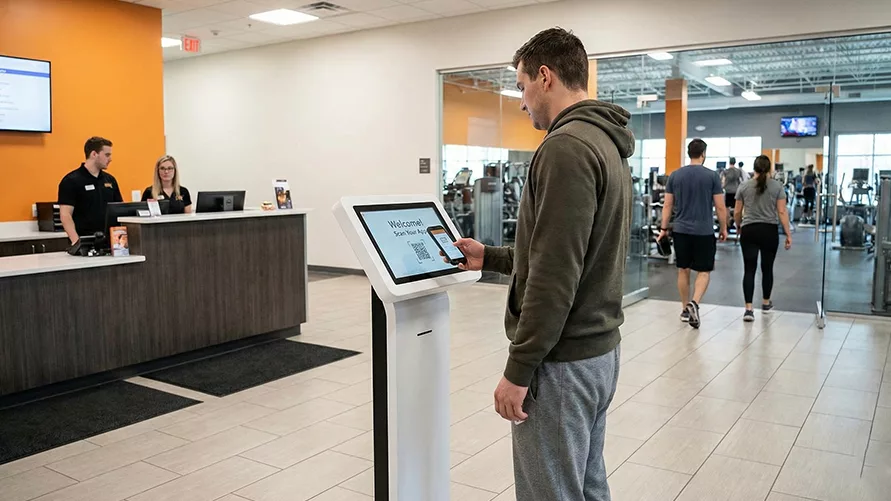
Unmanned automation and access control turn convenience into a competitive edge
Retention gets stronger when convenience feels real, not just promised.
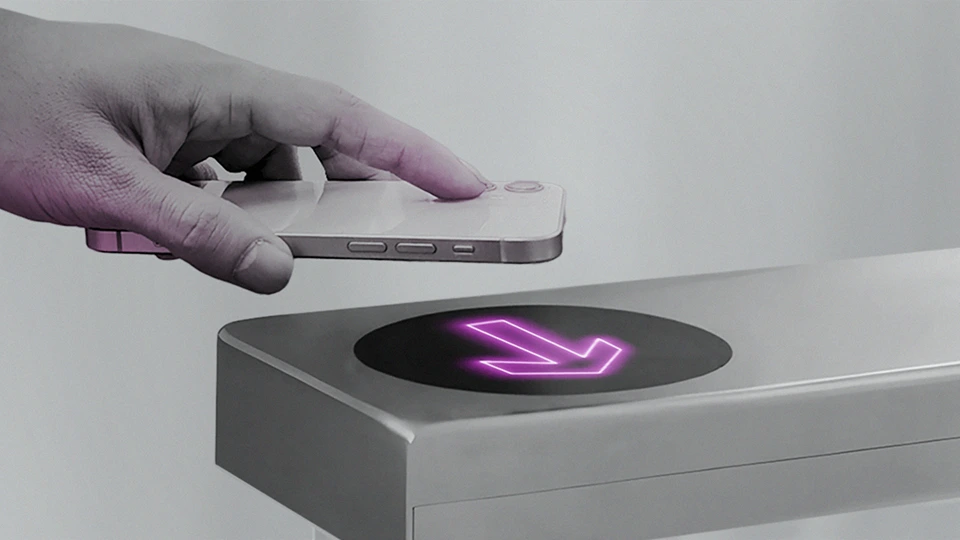
A lot of gyms market extended hours, flexible access, and convenience. But that promise only works if the system behind it is solid. If “always open” still depends on manual workarounds, separate door tools, or staff stepping in to fix access problems, the experience stops feeling modern very quickly.
That is why integrated access control matters. It turns a marketing message into something the business can actually deliver. Members get a smoother experience. Owners get more freedom. Staff do not have to waste time managing access through disconnected systems that were never designed to work together.
This is where unmanned automation becomes a real commercial advantage. Anant Naidu at King Swing explained the thinking clearly:
“We built this business with the idea in mind that we wanted to automate it so that we don’t have to be there physically.”
That is not just an operations decision. It is a growth decision. The more reliably a gym can deliver access without constant manual intervention, the easier it becomes to offer extended hours, reduce staffing pressure, and scale with less friction.
The key is integration. A standalone access control system may look fine on paper, but in practice it often creates one more break in the member journey. Memberships live in one place. Access permissions live somewhere else. Payments update in one system but not the other. Staff then have to manually step in when something goes wrong. That is where frustration starts.
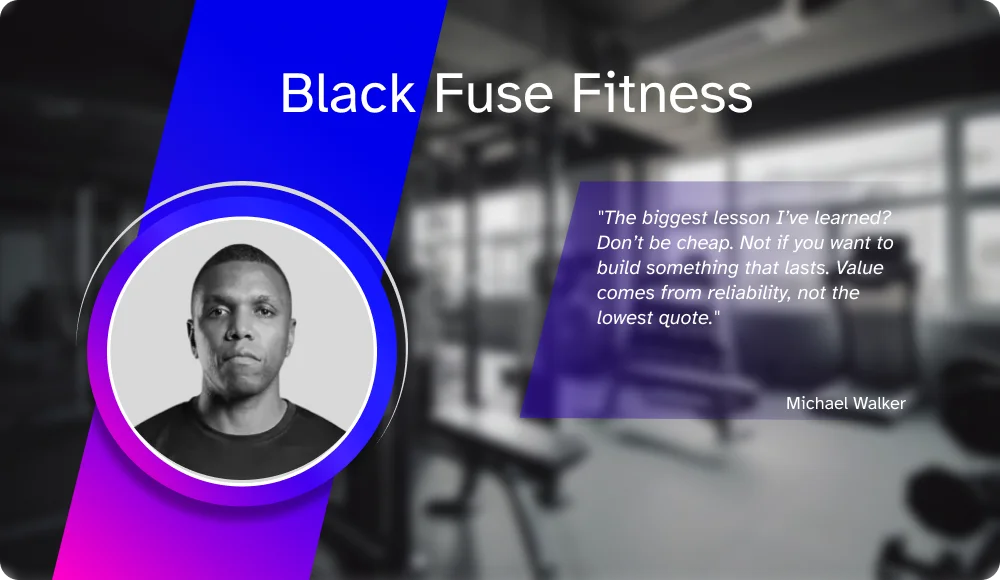
Integrated access control changes that. As Michael Walker at Blackfuse Fitness put it,
“Wellyx providing the gym management plus the access system that runs concurrent that was a game or that is is a game changer for me.”
That is the real difference. When access control runs alongside the gym management system, the business feels more connected, more reliable, and easier to manage.
It also strengthens brand positioning. Security and professionalism are part of the experience members buy into, especially in premium facilities. Sarah Chaplin at Apex Fitness made that point clearly:
“We’ve signed up for the Wellyx access control… we are just looking at speed gates. Speed gates certainly set a good tone [for a professional facility].”
That matters because premium positioning is not built only through copy or visuals. It is built through the signals people see when they walk in.
This is why access control should be treated as more than a back-end feature. It supports retention, reduces avoidable staffing costs, and gives gym owners a stronger marketing angle. “Always open” is powerful. But “always open” only works when the technology behind it is dependable, integrated, and built to protect both convenience and control.
The first 4 weeks: onboarding drip sequence
Week 1 — Remove confusion
Your job in week one is not to transform someone. It is to make the gym feel usable.
Send:
- a welcome message
- a first-visit checklist
- a booking link
- a coach intro
- a simple expectation for week one: “Just complete 2 visits”
SMS:
“Welcome to [Gym Name], Sarah. Your first goal is simple: get your first 2 visits booked. Here’s your link: [link]. Reply if you want help choosing the best session.”
Week 2 — Create the first win
Week two is where motivation starts turning into evidence. Do not talk about six-month results yet. Give them one visible win.
Email subject:
“You’re off to a strong start”
Body:
“You’ve already done the hardest part: starting. This week, your goal is just one more visit than last week. That’s how habits are built.”
Week 3 — Build connection
By week three, most members know whether they feel like they belong.
Introduce them to a coach by name. Recommend the class or slot that best fits their schedule. Invite them to a beginner event or a bring-a-friend session.
SMS:
“You’ve got good momentum now. Want help choosing the best class or training slot for your schedule this week? Reply with your usual free times and we’ll suggest one.”
Week 4 — Turn attendance into identity
Week four is where you stop talking like they are “trying the gym” and start talking like they are part of it.
Email subject:
“One month in — here’s what to do next”
Body:
“You’ve built your first month. Now the goal is to make this routine feel normal. The best next step is to lock in your weekly training times for the next 30 days.”
Win-back automation: timing and message copy
Define “at-risk” as no visit in 14 days.
Day 14 — soft check-in
Email subject:
“We haven’t seen you in a bit”
Email body:
“Hey James, we noticed you haven’t been in lately. No pressure. Just wanted to check in and make sure everything’s okay. If your schedule changed, reply here and we’ll help you find a simpler plan that fits.”
Day 21 — specific support offer
Email subject:
“Want help restarting this week?”
Email body:
“If getting back in feels harder than it should, we can help. Reply and we’ll set you up with a free check-in or a simple restart plan. You do not need to ‘start over.’ You just need the next easy step.”
Day 30 — last-chance reset
SMS:
“We’d love to help you get back into rhythm before more time slips by. Reply RESET and we’ll send you 2 easy options for next week.”
Gym loyalty programs
Gym loyalty programs work when they reward habits that create results. Reward attendance streaks, milestones, anniversaries, and referrals. Make the milestones specific and easy to understand: 10 visits, 30 days consistent, 100 days stronger, or a benchmark review every 6 to 8 weeks.
Light competition can help, but it should feel motivating, not intimidating. Team challenges and member shout-outs usually work better than aggressive leaderboards.

Budget, ROI, and data-driven promotions
Gym marketing budget and ROI
Before you can set a marketing budget, you need to understand what you are actually buying with it. Every dollar you spend on acquisition is only worth what you recover over the lifetime of the member it brings in. That means your budget decisions are really retention decisions in disguise.
A useful starting framework for independent gyms: allocate roughly 7–10% of monthly revenue to marketing if you are in growth mode, and 3–5% if you are in maintenance mode. Those ranges are not fixed rules, they shift based on your market, your margins, and your current churn rate. A gym losing members faster than it acquires them should fix retention before scaling ad spend.
The deeper problem many gym owners face is not budget size. It is paying for the wrong things entirely.
As Chanelle at Factory Fitness explains:
“The problem with Mindbody a lot is it does so many things. But everybody who uses it only needs it for what they need it for. They don’t need it to do a coffee shop, a hair salon… and a yoga studio.”
That is what software bloat feels like in practice, you pay for a platform built to serve twenty types of business, and the parts your gym actually depends on never feel quite right.
Good value is not cheapness. It is getting the most appropriate tool for the job at the right price, with none of the clutter that slows your team down.
Support is a real part of that value calculation. In fitness, problems do not happen on a schedule. They happen when a lead is ready to buy, when a member cannot access the gym, or when a payment fails during a busy class. That availability from your software provider is not a perk. It is an operational feature that protects revenue in real time.
From there, your marketing numbers start to make more sense. Cost per lead matters. Cost per acquisition matters. Retention matters even more. But all of those numbers become easier to improve when the system underneath your business is built for your business in the first place.
Wellyx gives gym owners the specific tools they need, membership management, payments, access control, communication, reporting, and always-on support, without the overhead of features designed for businesses you are not running.
The KPIs that actually matter
Track the numbers that reflect reality, not vanity:
Weekly
- Lead Volume By Source
- Cost Per Lead
- Booking Rate
- Intro Show Rate
- Close Rate
Monthly
- Cost Per Acquisition
- Churn
- 30/60/90-Day Retention
- Lifetime Value
- LTV:CAC
- ROAS
- NPS
Lead response speed matters. HBR’s lead-response research found that companies attempting contact within an hour were nearly seven times more likely to qualify the lead than those that waited longer.
Fresh KPI section: what each number tells you
CPL (Cost per Lead) tells you whether attention is getting expensive.
CPA or CAC (Cost per Acquisition) tells you what it really costs to turn that attention into a paying member.
Show rate tells you whether your booking and reminder system works.
Close rate tells you whether the offer, intro experience, and sales conversation work.
Churn rate tells you how much growth is leaking out the back.
LTV tells you what a member is worth over time.
LTV:CAC tells you whether your acquisition is healthy or overpriced.
ROAS tells you whether ad-attributed revenue beats ad spend, but it should never be read without retention.
NPS tells you how likely members are to recommend you, which affects both referrals and reputation.
How to analyze a promotion instead of guessing
Do not stop at “see what is working.” Read promotions in order:
- Offer view or click volume — did the market even notice it?
- Lead volume — did the offer generate interest?
- CPL — was attention efficient?
- Booking rate — did leads take the next step?
- Show rate — did they turn up?
- Close rate — did they become members?
- 30/60/90-day retention — were they actually good-fit members?
- LTV:CAC — did the offer bring profitable growth?
A promotion with cheap leads but terrible retention is not a good promotion. It is a delayed problem.
Software and system integration
Gym management software as your marketing engine
A gym can have good creative and still lose because follow-up is slow. Speed wins. Automation protects speed even when you are coaching.
Wellyx describes its lead management system as a sales funnel and dashboard for tracking leads and conversions, while Mindbody markets lead management as a way to capture, nurture, and convert leads inside one workflow. Both position CRM-style lead management as an alternative to scattered spreadsheets and manual follow-up.
The right software fit matters more local SEO fo than feature count. As Zack Camilleri at Prestige Fitness puts it:
“We got the best software, the most appropriate for us and what we were looking for and we even got it for the cheapest price.”
And support quality is part of that fit. As Phil Baltimore at Train Better explains:
“I could tell they truly care about us being successful… their customer service 24/7, which really appealed to me.”
When something breaks during a live sale or a class booking issue needs fixing now, response time is not a nice extra. It is an operational feature that protects revenue in real time.
What to look for in gym marketing software
Look for:
- Website lead capture
- Automatic lead source tagging
- Email and SMS automation
- Referral tracking
- Promo code tracking
- Attendance-triggered win-back automations
- Reporting for CPL, show rate, close rate, churn, and retention
Where to pull the reports
Menu names vary by software version and subscription, so owners should verify inside their own account, but the standard workflow is straightforward.
In Wellyx, use the Leads or Sales Dashboard to track pipeline stages and conversions, then use the Promo Codes area to manage campaign codes and compare outcomes tied to those codes. Wellyx publicly markets both the lead dashboard and promo code tools.
In Mindbody, use Lead Management for follow-up and next steps, and use the Promotions Report or Sales Report to review promo-code or promotion-driven sales performance. Mindbody’s support docs also include promotion codes and referral tools.
The practical point is not the exact menu name. It is this: every campaign should have a source, every source should have an offer code, and every offer code should be traceable through to show, close, and retention.

Gym marketing mistakes that are costing you members
1. Relying on one channel
What it looks like: All your leads come from Instagram, one referral relationship, or a single Facebook Ads campaign. When that channel dips, your pipeline dries up completely.
Why it hurts: Every platform changes its algorithm. Every ad platform raises its costs. A single-channel gym does not just slow down when that channel weakens — it stops. There is no fallback and no compounding. As Danielle at Grit to Greatness Performance found, “A lot of networking has been huge for us… zero paid advertising on social media.” That is not a reason to avoid paid social forever. It is a reminder that organic channels built over time create resilience that paid channels alone cannot.
The fix: Build a layered system with three or four channels that reinforce each other — local search for discovery, content for trust, email for conversion, and referrals for compounding growth. Add channels one at a time so you can measure each one cleanly.
2. Discounting instead of adding value
What it looks like: Your default response to a slow month is a percentage-off promotion or a “January special” that undercuts your usual pricing.
Why it hurts: Discounts attract price-sensitive leads who are the most likely to leave the moment a cheaper option appears. They also signal to your existing members that they overpaid. Over time, a gym that discounts repeatedly trains its market to wait for the next deal rather than commit at full price.
The fix: Replace discounts with value-forward offers — a 7-day pass, a beginner starter program, or a free consultation. These reduce fear without reducing price. The prospect gets a lower-risk entry point. You get a better-fit lead.
3. Spending on ads without tracking
What it looks like: You run Facebook or Google ads, see some leads come in, and broadly feel it is “working” — but you cannot say what the cost per lead is, how many leads showed up, or how many became paying members.
Why it hurts: A low cost per lead means very little if none of those leads convert or stay. Untracked ad spend is not marketing — it is guessing with money. You cannot improve what you cannot measure, and you cannot justify continuing a campaign you cannot read.
The fix: Tag every campaign with a lead source. Track the full chain:
ad → lead → booking → show → close → 30/60/90-day retention.
If your software cannot produce that report, fix the software before scaling the ads.
4. Ignoring retention while chasing acquisition
What it looks like: You spend most of your marketing energy and budget on getting new members in, while onboarding is thin, win-back is nonexistent, and churn is quietly running at 5–8% per month.
Why it hurts: If a new member leaves in month two, your acquisition spend never pays back. Acquiring a new member costs five to seven times more than keeping one. A gym with poor retention is not a growing business — it is a leaking one that requires constant new volume just to stay flat.
The fix: Build the four-week onboarding drip before you scale ads. Add a win-back trigger at day 14. Review your 30/60/90-day retention numbers monthly. Retention work pays back faster than acquisition work at most gym sizes.
5. Publishing thin content with no proof
What it looks like: Your social feed is mostly motivational quotes, stock images, and generic “join now” posts. There are no real members, no real results, and no real coaches visible.
Why it hurts: Prospects are not evaluating your equipment. They are evaluating whether they will fit in, whether they will know what to do, and whether the coaches look like people who will actually help them. Generic content answers none of those questions.
The fix: Show real proof. Film short tours. Post actual session clips. Share member milestones with permission. Introduce coaches by name and personality. Authentic content from inside your gym will outperform polished stock-image posts every time.
6. Having no referral program
What it looks like: Members recommend your gym to friends informally, but there is no structured mechanic, no incentive, and no way to track where those referrals came from.
Why it hurts: Word of mouth is already happening — you are just not capturing it. Without a system, referral behavior is random and invisible. You cannot measure it, reward it, or encourage more of it.
The fix: Build one simple referral mechanic you can explain in a single sentence: “Refer a friend who joins and get one free month.” Announce it in your onboarding sequence, your monthly email, and at front desk. Track referral sources so you know which members are your best advocates.
7. Ignoring Google reviews until something goes wrong
What it looks like: You have not asked for a review in months. Your last response to a negative review was six weeks ago. Your review count has not moved while a competitor two streets away has added forty reviews this year.
Why it hurts: BrightLocal’s 2025 data shows that only 4% of consumers never read reviews before visiting a local business. Reviews are part of the buying journey, not a vanity metric. A stale or thin review profile signals to prospects that the gym is either inactive or not confident enough to ask.
The fix: Build review generation into your regular operations. Ask immediately after a positive interaction — when a member hits a personal best, completes their first month, or thanks a coach. Train staff to recognize those moments and follow up with a direct ask and a link. Reply to every review, positive or negative, within a week.
8. Choosing influencers by follower count instead of fit
What it looks like: You partner with a creator who has 200,000 followers because the number looks impressive, but only a fraction of that audience is local, and even fewer match your ideal member profile.
Why it hurts: Broad reach is worthless if the audience cannot physically visit your gym. A creator with 12,000 local followers and 4% engagement will almost always drive more real bookings than a national creator with ten times the audience and weak local relevance.
The fix: Filter first by geography, then by engagement rate, then by whether their audience looks like your ideal member. A local lifestyle creator whose followers already live in your city and engage with fitness content is worth far more to a local gym than a bigger name with a diffuse national audience.
9. Sending traffic to a weak mobile page
What it looks like: Your ads or influencer posts send traffic to a homepage that loads slowly, has no clear offer, and requires three clicks to find a booking form. On mobile, buttons are small, text is dense, and the booking flow breaks mid-way.
Why it hurts: Local intent dies fast. A prospect who clicks through from a creator post is motivated right now — but that motivation lasts seconds, not minutes. As Boo Jackson at Factory Fitness described when dealing with booking lock-outs: “In the few days before the renewal… you then can’t sign up for those [classes]. So then you get locked out… they’re regular members… and they can’t understand why.” If that frustration hits a new prospect on their first interaction, they do not call to complain. They leave.
The fix: Send campaign traffic to a dedicated landing page with one offer, one clear CTA, and a booking flow that works on mobile in under 60 seconds. Test it on your own phone before every campaign goes live.
10. Treating marketing like a campaign instead of a system
What it looks like: You run a big push in January, go quiet in March, panic in June with a discount, and repeat. There is no consistent offer, no weekly review rhythm, and no way to improve because nothing runs long enough to measure.
Why it hurts: As Thamar Hewsen at Asylum Gym observes: “A lot of owners of gyms are not actually gym people. They don’t work in their gyms… it’s just a business for most of them.” That disconnect shows up in marketing that is reactive rather than systematic — responding to slow months rather than building a machine that runs regardless of the season.
The fix: Pick one monthly offer and run it for the full month. Review your numbers every week — CPL, show rate, close rate, retention. Make one improvement per cycle. A system reviewed weekly compounds over twelve months. A campaign run once teaches you nothing.

Your 90-day gym marketing action plan
A good gym marketing plan does not need 40 tactics. It needs one offer, one follow-up system, and one review rhythm.
Days 1–30: build the foundation
Week 1
Fix your Google Business Profile. Standardize your business details. Create one offer. Add lead capture and booking to your website.
Week 2
Build your welcome email, welcome SMS, trial follow-up, and reminder sequence. Set your lead source tags.
Week 3
Publish service pages, one location page, one coach intro, and one beginner walkthrough. Launch your review request process.
Week 4
Run one offer for a full month. Track CPL, booked intros, show rate, and close rate.
Days 31–60: improve conversion and retention
Tighten the intro experience. Launch the onboarding drip for weeks 1 to 4. Add your loyalty milestones. Run one beginner event. If the basics are working, add retargeting.
Days 61–90: compound what works
Add one or two local creator partnerships. Launch the win-back sequence. Compare source quality, not just lead volume. Review 30/60/90-day retention. Keep the offer stable long enough to learn from it.
Putting it all together: gym marketing as a system
Marketing a gym is most profitable when it becomes a system, not a series of tactics.
Your system is simple: define your target market, run one monthly offer, show proof through content and reviews, respond quickly, and build a first-week experience that locks in attendance habits. Local discovery brings leads, clear offers convert, and retention creates compounding growth.
FAQs
How do you market a gym with no budget?
Start with local SEO basics: a complete and accurate Google Business Profile, consistent review generation, and location-specific content on your website. Pair that with one beginner-friendly intro offer and fast follow-up by SMS and email. Google’s own guidance confirms that complete business information improves local visibility, and BrightLocal’s data shows reviews remain a standard part of local buying behaviour. Word of mouth and referrals are also free — a simple one-sentence referral mechanic costs nothing to run and consistently produces the highest-quality leads.
What is the best way to market a gym in a competitive city?
Win on clarity and trust, not discounts. Use a strong, specific value proposition that speaks to your ideal member. Show visible proof through real member stories, behind-the-scenes content, and reviews. Offer a structured, low-risk first step like an intro session or starter program rather than a price cut. Then protect retention with a four-week onboarding sequence, because churn wipes out acquisition gains faster than any competitor can.
What should be in a digital marketing plan for a gym?
At minimum: local SEO, beginner-friendly content, visible proof of results and culture, one clear monthly offer, and automated follow-up through email and SMS. HBR’s lead-response research shows that contacting a lead within an hour makes qualification nearly seven times more likely than waiting longer. That speed is only achievable through automation, which is why the follow-up system is as important as the acquisition channel.
How do gym loyalty programs help retention?
They reward the behaviours that create results — attendance streaks, milestones, and anniversaries — and they make members feel seen rather than just billed. That improves consistency, reduces silent drop-off, and gives members more reasons to refer others. The key is rewarding habits rather than spend, so the program reinforces the outcomes members joined to achieve.
What is the best gym management software for marketing?
The best option for a gym captures leads automatically, triggers follow-up without manual input, tracks pipeline metrics from lead to close, and supports retention with reminders, win-back messaging, and attendance reporting. Wellyx and Mindbody both position their lead and promotion workflows around those needs. The more important question is fit: the right software for your gym is the one built around your business model, not one built for twenty different industries that happens to include fitness.
How much does it cost to market a gym?
There is no fixed answer, but a practical starting range for independent gyms is 7–10% of monthly revenue if you are actively growing, or 3–5% if you are in a maintenance phase. A gym generating $20,000 per month in revenue might spend $1,400–$2,000 on marketing in growth mode. That budget should cover local SEO tools, email and SMS automation, any paid ads, and content production. The most important discipline is tracking cost per acquisition against lifetime value — a $150 cost per acquisition is healthy if your average member stays 18 months, and damaging if they leave after 6 weeks.
What is a good cost per lead for a gym?
It depends on your acquisition channel and your offer. WordStream’s 2024 benchmark data puts the average Facebook lead campaign cost per lead across industries at around $21.98. For a well-optimised gym campaign with a value-forward offer like a 7-day pass, $15–$30 per lead is a reasonable target. But cost per lead alone is a weak metric — a $10 lead that never shows up is more expensive than a $40 lead that converts to a 12-month membership. Always read CPL alongside show rate, close rate, and 30/60/90-day retention before judging a campaign.
How long does it take to see results from gym marketing?
Local SEO improvements typically take 60–90 days to show meaningful movement in search rankings. Paid ads and SMS campaigns can generate leads within days, but converting those leads into retained members is a 30–90 day process. A realistic expectation for a new marketing system is that month one builds the foundation, month two improves conversion, and month three starts producing data you can actually learn from. The gyms that see the fastest results are those that run one consistent offer long enough to measure it properly, rather than switching tactics every few weeks.