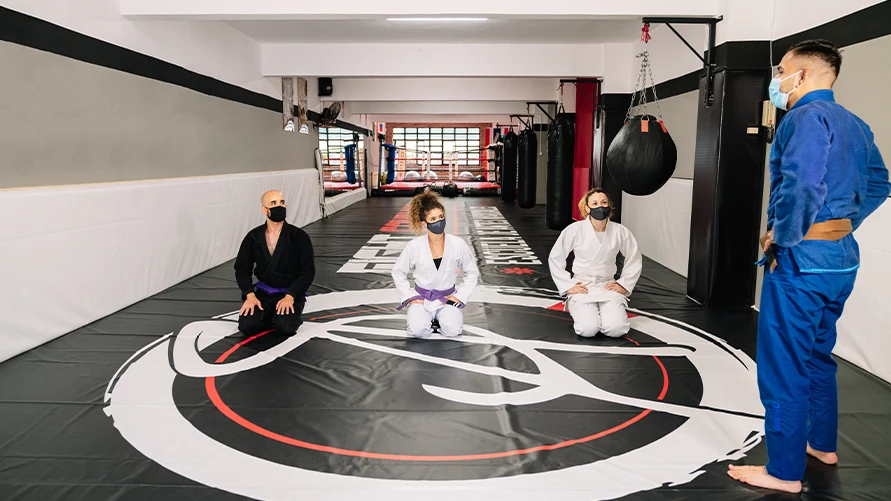
Yes, selling supplements can make sense for a Jiu-Jitsu academy when you treat it like athlete support, not a side hustle. If you stock reputable, third-party-tested products, follow local sales and labeling rules, and keep your guidance firmly in the “general information” lane (not medical advice), supplements can improve convenience for students and add a steady, low-lift revenue stream.
What you’ll learn in this guide
- How to decide if supplement sales fit your academy’s values and capacity?
- What “quality” actually looks like (and how to vet brands)?
- The compliance basics that protect your students and your business.
- Which products tend to be most relevant for grapplers?
- How to educate students without pressure or risky claims?
Picture the moment after a hard round: someone’s leaning on the wall, sweaty, half-laughing, asking what they should take for recovery. That’s usually where the idea starts. Done carefully, having the right essentials on-site saves students a trip, helps them stick to better routines, and keeps your academy in the role it’s already earned: trusted, steady, and responsible. Done carelessly, it can turn into expired tubs, awkward sales conversations, and credibility you don’t get back quickly. This guide is about staying on the right side of that line.

The good side of selling supplements in a Jiu-Jitsu academy
Students training multiple times a week or preparing for competitions often rely on protein powders, electrolytes, joint support, and recovery aids. Having these available on-site at your academy provides convenience and positions your school as a complete resource for training and performance.
From a business perspective, supplement sales can create a secondary revenue stream that supports your martial arts academy’s growth. This income can fund upgrades to mats, training equipment, staff certifications, or marketing initiatives. Unlike many other revenue channels, supplement sales require relatively low operational effort once processes are established.
Beyond revenue, offering supplements reinforces your brand. Students see your academy not just as a place to train but as a trusted authority on performance, recovery, and overall health. This perception strengthens loyalty, encourages referrals, and differentiates your academy in a crowded market.
And remember, convenience matters. Students often have busy schedules and struggle to find reliable supplements on their own. By providing high-quality, third-party-tested products in one place, you simplify their routines and improve adherence to proper recovery and nutrition protocols. This practical value is often just as important as revenue.
Key considerations before selling supplements
Selling supplements is not just a financial decision; it requires thoughtful planning. Martial arts academy owners need to consider quality, compliance, student safety, and operational capacity before offering any product.
The key questions you should ask yourself include:
- Do I have the knowledge and resources to choose reputable, safe products?
- Can my staff share general use information without drifting into medical advice?
- Are my insurance and liability policies sufficient to cover supplement sales?
- Do I understand the regulations governing supplement sales in my region?
Answering these honestly will determine whether supplement sales are right for your academy at this time.
- Navigating quality & trust
Students trust your academy with more than just their training; they rely on you for guidance on performance and recovery. Selling low-quality or unsafe products can quickly erode that trust.
Focus on quality and transparency. Only offer supplements that have been tested, come from reputable brands, and have clear labeling. Avoid proprietary blends or products with exaggerated claims.
Your goal is to support students’ performance safely, not chase trends or boost short-term profits.
One practical tip is to vet every supplier before purchase. Look for certifications like NSF Certified for Sport, Informed Choice, USP verified, or BSCG Certified Drug Free. These certifications signal that the products meet strict safety and purity standards, giving both you and your students confidence in what they consume.
- Legal considerations
Compliance with legal and regulatory requirements is non-negotiable when selling supplements. Getting it wrong can lead to fines, liability issues, and a loss of trust with your students.
In the United States, you will need to ensure that:
- The FDA regulates dietary supplements as food, not medications.
- Medical claims are prohibited; labeling must meet federal standards.
- Depending on your state, a reseller license may be required.
- Product liability insurance is highly recommended to protect your academy in case of disputes.
However, in the United Kingdom:
- Supplements fall under the Food Supplements Regulations 2003, overseen by the Food Standards Agency (FSA).
- Products must be safe, clearly labeled, and all claims must comply with U.K. law.
- Trading Standards regulations apply, and proper disclaimers are essential to avoid implying medical advice.
Following these regulations isn’t just about avoiding penalties. It shows your students that you prioritize safety, operate with integrity, and are a credible source for supplements.
Tip: Keep compliance simple, know the local regulations, verify product labeling, and always include disclaimers. It protects your academy and builds trust with students.
- Choosing the right products
Not all supplements are necessary for your students, and offering too many options can be overwhelming. Focus on products with proven benefits for Jiu-Jitsu athletes. These typically include:
- Protein powders (whey or plant-based) for muscle repair.
- Creatine for strength and explosive power.
- Electrolytes to maintain hydration.
- Omega-3 fatty acids for joint and cardiovascular health.
- Vitamin D for immune support, especially in northern climates.
- Collagen to support tendon, ligament, and joint integrity.
These products address the most common performance and recovery concerns in martial arts. By starting with essentials, you simplify inventory management while providing meaningful benefits to students.
Essential supplements for Jiu-Jitsu athletes
| Supplement | Key Benefit | Notes |
| Whey / Plant Protein | Muscle repair & growth | Choose third-party-tested brands |
| Creatine | Strength & explosive power | Use safe, well-studied dosing |
| Electrolytes | Hydration & endurance | Sugar-free is preferred |
| Omega-3 | Joint & cardiovascular support | High EPA/DHA content |
| Vitamin D | Immune support & recovery | Important for U.K. winters |
| Collagen | Tendon & ligament health | Supports long-term joint integrity |
- Educating students without pressure
Supplements are tools to complement training and nutrition, not quick fixes. Providing education is essential. Students need to understand what the supplement does, how it fits into their training, and the safe dosage. Avoid phrases like “guaranteed results” or “this will fix injuries,” which are misleading and legally risky.
Ways to educate students include:
- Offering short consultations after class.
- Creating printed guides or flyers that explain usage and safety.
- Hosting workshops or Q&A sessions with a certified nutritionist.
When students feel informed, they are more likely to trust your recommendations and use supplements correctly, enhancing both safety and effectiveness.
- Pricing & operational considerations
Pricing should reflect quality and transparency, not just profit margins. Most U.S. and U.K. academies target 25-45% profit on supplements. Ensure staff are trained to communicate benefits without creating a sense of pressure. Consider offering bundles, subscriptions, or multi-product packages to encourage consistent usage and simplify inventory management.
Operationally, start small. Track demand, monitor sales patterns, and adjust inventory accordingly. Avoid overstocking products that may expire or overwhelm students with too many options. The right balance between variety and simplicity is critical.
- Building long-term trust
Trust is the cornerstone of a successful supplement program. Selling products should never feel like a gimmick. Your students must believe that their health and performance are your primary concern. A transparent, evidence-based approach will reinforce loyalty, attract new students, and position your academy as a credible authority.
Regularly review your product line to ensure it remains relevant. Students needs evolve as new research emerges, and market trends shift. Staying informed and adaptable ensures your offering remains valuable and your reputation intact.
Operational checklist for supplement sales
| Area | Considerations |
| Inventory | Start small, track demand, replenish as needed |
| Staff Training | Neutral language, product knowledge, safety info |
| Legal & Compliance | Reseller license, labeling, disclaimers, and insurance |
| Student Education | Guides, workshops, Q&A sessions |
| Pricing | Fair, transparent, consider bundles |
Final words
Selling supplements in your Jiu-Jitsu academy is more than a revenue opportunity; it is a way to support students, enhance performance, and strengthen your brand. For U.S. and U.K. Jiu-Jitsu academy owners, success depends on three pillars: offering high-quality, evidence-based products, maintaining regulatory compliance, and providing responsible, practical guidance to students.
Start small, prioritize essentials, educate your students, and scale thoughtfully. This approach ensures that supplement sales are not a distraction or liability but a strategic extension of your academy’s mission. When executed well, it benefits everyone: your academy thrives financially, your students recover and perform better, and your brand becomes synonymous with trust and professionalism in the martial arts community.