


Gymnastics is one of the few sports where the path to coaching is genuinely structured around child safety first and technical skill second, and for good reason given the sport’s history. Before a new coach ever spots a cartwheel or runs a beam drill, USA Gymnastics requires a background check and a federally mandated safeguarding course.
That sequencing isn’t bureaucracy for its own sake; it’s the actual starting point of the profession. This guide covers the real path: what’s required before you can coach at all, how recreational, competitive, and school-level tracks differ, what it costs to get certified, and what the job actually involves.
Do you need to have been a gymnast yourself?
Not necessarily, and this surprises many people looking into the career. No formal gymnastics experience is required to start coaching, particularly at the recreational level, where clubs often hire and train coaches from scratch. Prior gymnastics background helps; a coach who’s felt a skill in their own body has a real head start on teaching it, but it isn’t a formal requirement to begin.
That changes as you move up the ladder. Competitive coaching generally expects real prior experience as a gymnast, commonly cited as two to five years, since coaching athletes toward competition requires a depth of technical understanding recreational coaching doesn’t demand. High school and college coaching positions typically require a bachelor’s degree, and high school roles often require a state teaching license or athletic association credential in addition to gymnastics-specific certification.
The certification pathway: what actually comes first
This is the part of becoming a gymnastics coach that’s genuinely different from most other coaching careers, and it’s worth understanding in the right order, because these requirements gate everything else.
USA Gymnastics Professional membership. To coach in the United States, you join USA Gymnastics as a Professional member, which requires completing a background check and SafeSport certification before you’re in good standing. This isn’t a formality to be completed at your convenience; it’s a prerequisite for legitimate participation in the sport at any level.
Background screening. USA Gymnastics mandates criminal background screening for all non-athlete members over 18, covering criminal history, the sex offender registry, and identity verification, conducted through the National Center for Safety Initiatives. This applies to recreational and competitive coaches alike, and it’s rescreened periodically to keep the credential current.
U110: U.S. Center for SafeSport Core Course. This is a federally recognized safeguarding course required for all adult members of any U.S. Olympic and Paralympic movement national governing body, including USA Gymnastics. The course must be completed before any adult has contact with a minor athlete, and it requires annual recertification to remain active, not a one-time box to check.
U100: Fundamentals of Gymnastics Instruction. A foundational coaching course required for competitive coaches and useful for recreational coaches developing their instructional skills.
U101: Safety and Risk Management. Covers spotting technique, equipment safety, and injury prevention; the credential that signals to a hiring gym that a coach understands how to run a session without putting athletes at physical risk.
U112: Tough Coaching or Emotional Abuse Course. A required course specifically for competitive coaches, addressing where firm coaching ends and emotional abuse begins; a direct, named response to the sport’s documented history and a genuinely important distinction for anyone coaching youth athletes toward competition.
USA Gymnastics Safety Certification. A more comprehensive safety credential required specifically for competitive coaches, valid for four years before recertification and carrying an additional fee beyond standard membership.
How the tracks actually differ
| Track | Prior experience needed | Extra requirements | Typical entry timeline |
| Recreational coach | Not required | Background check, SafeSport, foundational courses | A few weeks |
| Competitive coach | 2-5 years as a gymnast (common) | Adds U112, USA Gymnastics Safety Certification (4-year renewal) | Several months to a year |
| High school coach | Varies | Bachelor’s degree often required, state teaching license or athletic association credential | Tied to broader teaching credential timeline |
| College coach | Extensive competitive background | Advanced coaching experience, often a coaching-specific degree path | Years of progressive experience |
Recreational coaching is genuinely the fastest entry point into the profession: no degree, prior experience helpful but not mandatory, and a new coach can often be assisting on the floor within a few weeks once background screening and SafeSport clear. Competitive coaching has a longer runway, specifically because of the added safety credentials and the expectation of prior gymnastics experience.
What it actually costs to get certified
Entry-level recreational certification is genuinely affordable, commonly under $200 all-in before a coach earns their first paycheck, and it covers membership dues and the required foundational courses. Competitive coaching costs more given the additional USA Gymnastics Safety Certification fee and the ongoing four-year recertification cycle. The background check and SafeSport course are recurring costs too, not one-time fees, since both require periodic renewal to keep a coach’s membership active.
What the job actually involves
Day-to-day, a gymnastics coach’s work varies significantly by level. A recreational coach spends most of a session on fundamentals: body awareness, basic tumbling, following directions in a group setting, often with very young children where classroom management matters as much as technical instruction.
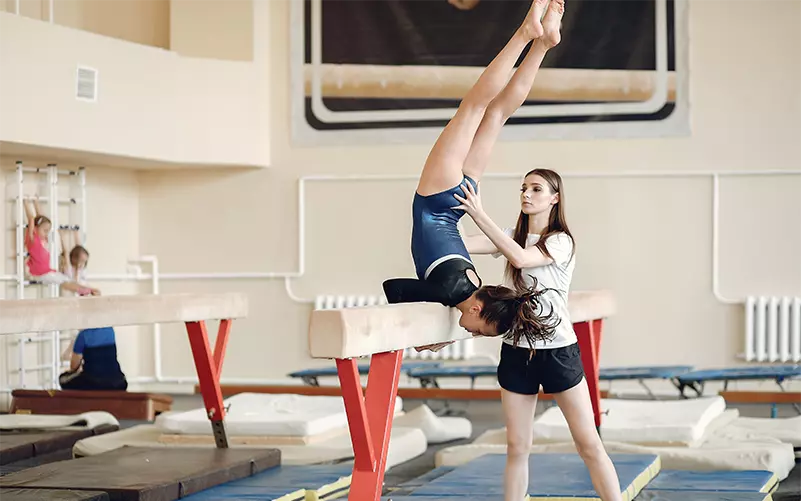
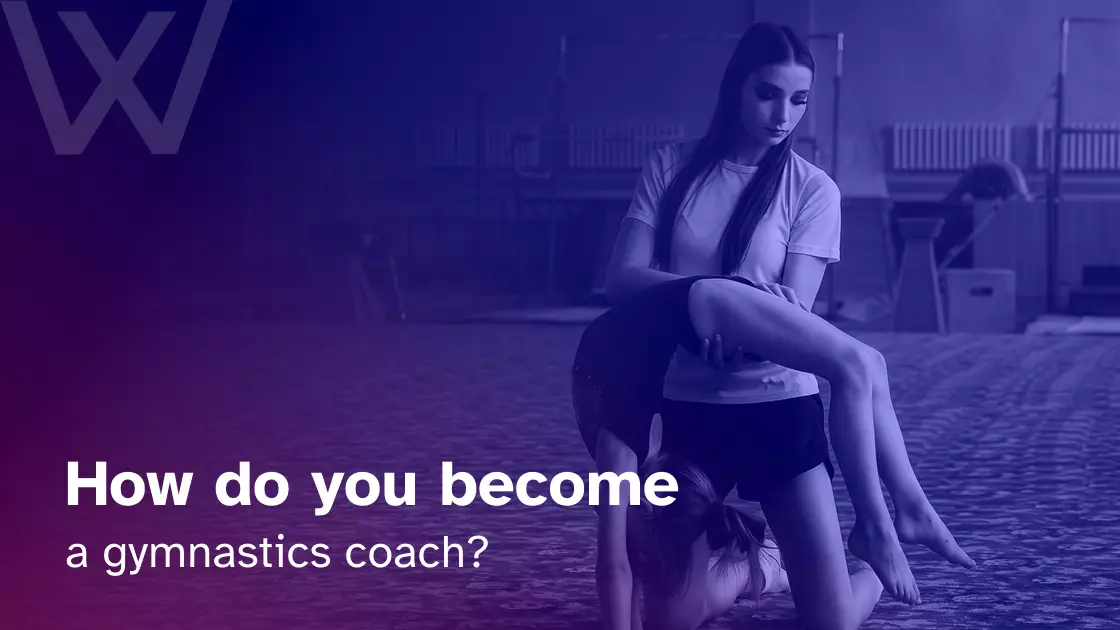
A competitive coach works with a smaller, more committed roster, breaking down specific skills, running conditioning, planning toward competition dates, and coordinating closely with judges’ scoring criteria. Both levels involve real physical spotting, hands-on support to prevent a fall during skill progression, which is exactly why the safety courses aren’t optional formalities.
What gymnastics coaches earn
Pay varies widely by track and setting; entry-level recreational coaching pays meaningfully less than competitive or college-level roles, and credentials genuinely affect earning potential. Coaches with higher-level safety and technical certifications tend to move into better-paying positions. For a full breakdown of typical pay by level and experience, see Wellyx’s dedicated guide to gymnastics coach salaries.
For gym and studio owners hiring coaches
If you’re running a gymnastics facility rather than pursuing coaching yourself, this same certification structure is what you’re responsible for verifying and keeping current for every coach on your floor: background check status, SafeSport recertification dates, and safety course completion, all of which lapse periodically and need active tracking, not a one-time file check at hiring.
Wellyx’s gymnastics studio software keeps staff certification records, class scheduling, and member management in one system, so a coach’s SafeSport renewal date is flagged automatically rather than quietly expiring unnoticed.
Gymnastics Coach FAQs: Everything You Need to Know
Do you need to have been a competitive gymnast to become a coach?
Not for recreational coaching, which many clubs staff without requiring prior gymnastics experience. Competitive coaching, however, generally expects real background as a gymnast, commonly two to five years, since coaching toward competition requires deeper technical understanding than recreational instruction does.
What is SafeSport certification and why is it required?
SafeSport is a federally recognized safeguarding course required for all adult members of U.S. Olympic and Paralympic movement national governing bodies, including USA Gymnastics, and must be completed before any adult has contact with a minor athlete. It requires annual recertification to remain valid; it is not a one-time credential.
How long does it take to become a gymnastics coach?
Recreational coaching is the fastest path, often just a few weeks once background screening and SafeSport clear. Competitive coaching takes longer, commonly several months to a year, given the additional safety certification and the expectation of prior gymnastics experience before you start.
Do you need a college degree to coach gymnastics?
Not for recreational or most competitive club coaching. High school and college coaching positions typically require a bachelor’s degree, and high school roles often require a state teaching license or athletic association credential in addition to gymnastics-specific coaching certification.
How much does it cost to become a certified gymnastics coach?
Entry-level recreational certification commonly runs under $200 total before a coach starts earning pay, covering membership and foundational courses. Competitive coaching costs more due to the additional USA Gymnastics Safety Certification fee, and both background checks and SafeSport require periodic paid renewal to stay active.
The credential exists for a real reason
The path to becoming a gymnastics coach is more structured than most fitness coaching careers, and that structure exists because of the sport’s own history with athlete safety. A background check and a federally mandated safeguarding course coming before any technical training isn’t red tape; it’s the actual foundation the rest of the credential is built on.
For an aspiring coach, understanding that sequence upfront, background and SafeSport first, technical courses second, and prior experience mattering more as you move toward competitive coaching, makes the whole path far less confusing than it looks from the outside.