In 2026, a smart fitness club owner does not just think about hard workouts, but they also think about rest, repair, recovery, and building a fitness community. Training is important. But healing after training is just as important. When people recover well, they can train again, feel strong, and stay safe.
Today, people are tired and stressed. Many sit all day. They want more energy and less pain. They want fast results and good care. They want a gym that helps them feel good every day, not only during workouts.
Recovery is no longer extra. It is a must-have. The fitness recovery market is growing fast and is expected to reach $26.2 billion by 2027. People already search for cold therapy, stretching, sauna, breathwork, and mobility tools. They see athletes use these things, and they want them too.
Gyms that use a strong recovery plan grow faster. Studies show that studios with recovery services see up to 20% higher member retention rates and 12% more revenue per member. When people feel better, they stay longer and bring friends. They help you build a fitness community naturally.
A smart gym does not just say ‘work harder.’ It also says ‘recover smarter’. This is the key to success in 2026.

Why recovery matters to your studio success in 2026
Recovery matters because it keeps members safe, happy, and loyal.
Training breaks the body down. Recovery builds it up. When people feel less pain, they stay consistent. Consistent members achieve better results. Better results mean happy members who stay longer.
More than 50% of gym dropouts happen due to soreness, pain, or injury. That number is huge. If you reduce soreness, you save members. When you save members, your studio revenue grows.
Athletes have known this for years. Now, every day, people are learning it too. They want relief. They want guidance. They want a studio that feels smart, modern, and caring.
Your business grows when your members feel supported and safe. Recovery gives you that power.
The science behind recovery growth
Science shows recovery improves strength, energy, and member commitment.
Muscles do not grow during exercise. They grow during rest. Sleep repairs the body. Hydration rebuilds tissues. Stretching keeps joints safe. Breathwork calms the nervous system, so muscles relax and repair.
Harvard studies show stress levels have risen sharply in the last few years. Stress slows muscle repair. Good recovery lowers stress and improves growth. Members want balance, not burnout.
So when you teach recovery, you give members more progress in less time. That is the value they feel every day. And when people feel results, they stay loyal.
Steps to build the best fitness recovery strategy in 2026
You need a simple, clear, science-based plan that your members follow daily and weekly.
Below is a structured six-step recovery system you can start using right now.
Step 1: Start with recovery assessments
You must learn each member’s recovery needs before building a plan.
Start with a recovery check. Ask about sleep. Ask about stress. Check flexibility. Ask about soreness. Talk about goals. This shows you care. It also gives you a baseline.
Studios that assess members see 40% higher program completion rates. People commit more when they start with a plan.
Assess today. Improve tomorrow. Track progress. Build trust.
Step 2: Add guided recovery services
You must offer structured recovery options, just like you offer workouts.
A strong recovery program can include:
- Assisted stretching
- Mobility sessions
- Sauna
- Cold therapy
- Compression boots
- Breathwork
- Soft tissue tools like massage guns
- Restorative yoga
- Guided foam-rolling sessions
Start small. Even 10-minute stretch blocks change everything. As your program grows, you can add more tools. Studios offering recovery services earn 12% more recurring revenue on average.
It is not about expensive toys. It is about smart habits.
Step 3: Teach and train your members on recovery habits
Education is your secret weapon for long-term loyalty.
Members must know why recovery matters. Simple facts help:
- Muscles repair during rest
- Water helps healing
- Mobility stops joint pain
- Breathing lowers stress hormones
- Sleep grows strength and boosts fat burn
Teach in small pieces. Use social posts, short videos, or live mini-classes. When members understand the science, they commit harder. Knowledge builds trust. Trust builds membership years, not months.
Step 4: Track progress and celebrate wins
People stay when they see progress. So you must track recovery results.
Track sleep hours. Track soreness reports. Track mobility gains. Track resting heart rate or heart rate variability (HRV) if you can.
Members who see progress data stay twice as long as members who do not track anything. Data creates excitement. Excitement creates loyalty.
Show small wins. A little less pain. A little more stretch. A little more energy. Every win counts.
Step 5: Build a recovery-first studio culture
Make recovery part of your brand, your message, and your daily routine.
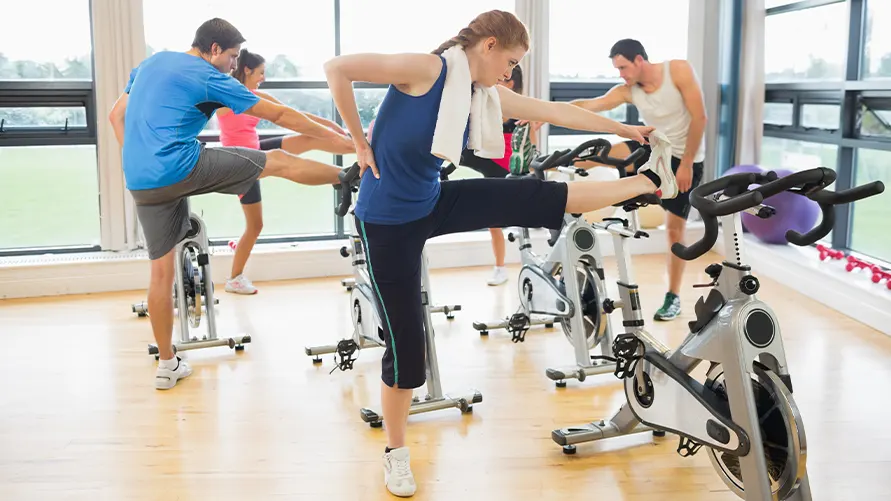
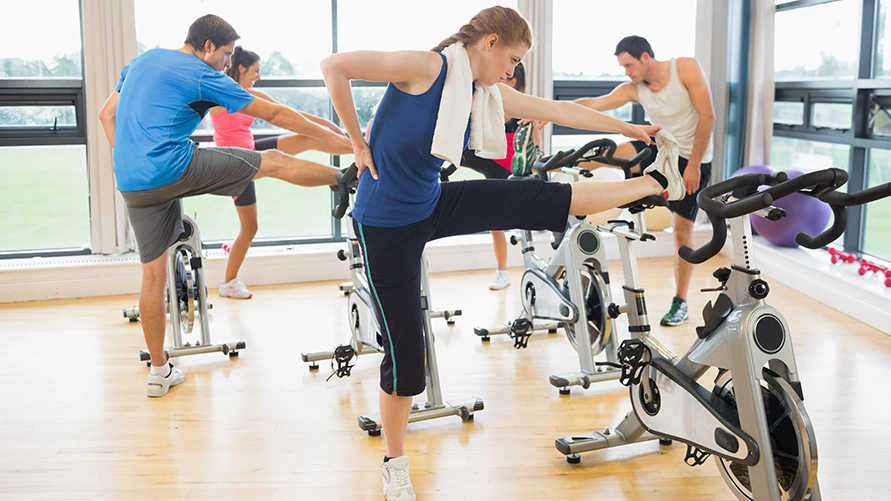
Make stretching normal. Make mobility part of the warm-up. Make foam rolling part of a cool-down. Train your coaches to talk about sleep, water, and recovery every day.
When recovery becomes your culture, not a “special add-on,” your studio becomes different. People feel cared for. They stay. They bring friends. You grow a community built on trust and results.
This is how leading studios win in 2026, not by going harder alone, but by training smarter.
Step 6: Use health club management software
You need health club software to manage and deliver your recovery system smoothly.
A real recovery program needs structure. Software helps you schedule recovery sessions, track habits, assign mobility plans, send reminders, and show progress. It also helps you sell recovery memberships, book services, and manage upsells.
When you automate reminders and tracking, no member slips through the cracks. You save time. You look professional. Members feel supported.
Modern studios grow faster because they use smart tools. Tech turns your recovery plan into a repeatable system that works for every member.
Why a structured plan wins over a casual approach
A system makes recovery strong, simple, and consistent.
Casual recovery means people stretch when they feel sore. Structured recovery means every person follows a plan built for progress.
Systems win in fitness, win in business. A recovery strategy shows that your studio is serious, modern, and member-focused. And members pay more for that.
How fitness recovery strategy grows retention and referrals
Recovery keeps people happy, pain-free, and excited. So they stay and bring friends.
People do not quit when they feel great. People do not quit when they see progress. People do not quit when they feel cared for.
Happy members share the story. They tell friends. They invite family. They post online. This grows your club without ads. Recovery creates emotional loyalty, the strongest loyalty in business.
Your winning edge in 2026
Recovery gives your studio a unique advantage and helps future-proof your brand.
Fitness changes. Trends change. But the body always needs recovery. Studios that adopt structured recovery now become leaders. They earn trust. They keep members longer. They run stronger businesses.
You can be one of those studios. You can lead this shift. You can offer smart, caring, science-based fitness. Not just hard training, whole-body support.
When your members feel safe, strong, and supported, they stay. They grow with you. And your business grows too.
Final note
2026 belongs to studio owners who understand one simple truth: strong bodies are built with smart recovery. You can give your members energy, joy, progress, and protection. You can build a loyal community. You can lead the future.
Start the system. Track the growth. Build the culture. And watch your studio rise.