



A trainer finishes a session, wipes down a bench, and glances at the phone. There is a new lead asking about prices. A client wants Thursday instead of Wednesday. Someone’s card failed overnight. Another client needs a travel workout before tomorrow morning. A third missed their session and has gone quiet.

This is the part people outside the industry rarely see.
From the outside, personal training still looks simple. Show up. Coach for an hour. Go home. But the real business lives in the invisible spaces around that hour: the booking, the reminder, the program update, the check-in, the package balance, the follow-up that happens early enough to keep a client from drifting.
This matters more than ever because the fitness industry is growing quickly. The global health and fitness sector contributes over $100 billion to the economy. In the United States alone, gym and studio membership reached a record 77 million people in 2024. At the same time, the online fitness market is forecast to be $36.64 billion in 2026, with projected annual growth of 26.82% through 2031.
The challenge is not that trainers suddenly need “more tech.” It is that the business has become more layered. Clients book from their phones, train in person and remotely, expect quick answers, want progress they can actually see, and compare your experience to every polished app they already use. That raises the bar quietly, but steadily.
So the real question is no longer whether you need software. It is whether your current setup is still helping you coach, sell, and retain clients, or whether it is slowly turning you into the person who spends half the week holding disconnected tools together.
What personal trainer software really means in 2026
Personal trainer software used to be described too narrowly. It was often treated as a place to store workouts or a booking tool with a nicer calendar. That description is too small now.
In 2026, personal trainer software is a connected system that helps trainers manage coaching and business operations together. That usually means workout programming, scheduling, reminders, client records, packages, payments, communication, reporting, mobile access, and some form of online or hybrid delivery.
That distinction matters because a workout app can assign exercises, a booking tool can display time slots, and a payment tool can charge cards. But none of those tools on their own runs a coaching business. The moment your business needs bookings to talk to package balances, payments to talk to renewals, reminders to talk to attendance, and client records to talk to programming, separate tools start creating handoffs instead of clarity.
Why did expectations change so quickly?
The market has shifted fast. The Health & Fitness Association says U.S. fitness facilities reached a record 77 million members in 2024. Meanwhile, Mordor Intelligence values the online fitness market at $36.64 billion in 2026 and projects it to reach $120.13 billion by 2031, with on-demand content growing particularly quickly and smartphones holding the largest device share in 2025.
That tells you two things at once: more people are participating in structured fitness, and more of them are comfortable receiving fitness support through digital channels. When markets move that way, expectations move with them.
Clients do not only want a trainer who understands progressive overload or fat-loss habits. They also want a business that feels easy to deal with. They want to book without friction, receive reminders at the right moment, see what they bought, access workouts from their phone, and feel supported even when they are not physically standing next to you. Those are not flashy expectations. They are normal now.
Why “best” depends on fit, not hype
That is why the phrase “best personal trainer software” can be misleading if it is treated like there is one universal winner. There is not.
The best platform for a solo coach with 20 clients is not necessarily the best platform for a hybrid coach with 120 app-based clients, and neither of those is automatically right for a multi-trainer PT studio with recurring memberships, front-desk responsibilities, and staff scheduling. The right choice depends on how you deliver coaching, how you charge for it, how many moving parts you already have, and how much growth you expect your system to support over the next 12 to 24 months.
What the modern PT workflow actually looks like
A lot of software comparisons still start in the wrong place. They start with features. A better place to start is the week.
A real PT workflow is not just the coaching hour. It usually begins before a client ever pays and continues long after the session ends. There is inquiry handling, consultation booking, intake, health information, package setup, scheduling, workout delivery, progress tracking, billing, reminders, rebooking, and retention.
Here is what that workflow usually looks like when you map it clearly:
| Stage | What is happening | What strong software should handle |
| Inquiry | A lead asks about coaching | Lead capture, consultation booking, follow-up |
| Onboarding | A client joins and shares goals | Digital forms, health questions, packages, waivers |
| Delivery | Sessions and programs begin | Programming, exercise demos, calendar control, notes |
| Between sessions | Real life interferes | Check-ins, reminders, habit support, quick updates |
| Billing | Revenue has to stay organized | Session packs, recurring billing, and failed-payment alerts |
| Retention | The client decides whether to stay | Renewals, progress visibility, communication, and rebooking |
That table looks simple. Living it manually does not. Once the roster grows, the business stops feeling like one service and starts feeling like many small tasks arriving all at once.
One person needs their workout changed for travel. Another wants a different slot next week. Another missed a payment. Another is close to renewing. None of those tasks is huge. Together, they can eat the day.
Before the first session, trust is already being tested
The first stage of coaching is not programming. It is trust.
A new lead usually wants fast answers. They may ask what you charge, what kind of coaching you do, whether you help with fat loss or strength, whether beginners are welcome, or how quickly they can start. If your reply is slow, scattered, or buried in email chains and paper forms, the first impression lands before you ever train them.
That is why early-stage workflow matters so much. A serious PT platform should support inquiry capture, consultation booking, intake forms, health questionnaires, package setup, and follow-up reminders in a way that feels calm, not improvised.
Between sessions is where the service proves itself
A lot of fitness results are built when the trainer is not in the room.
That is easy to forget because the session feels like the main event. But clients live the rest of the week. They miss sleep. They travel. They lose rhythm. They do extra walks or skip workouts. They stay motivated for three days and then wobble on day four. A trainer cannot control all of that, but the system around the coaching can either support follow-through or leave it to chance.
This is where good software becomes more than a management tool. It helps the coach stay present without being constantly available. Check-ins, progress reviews, reminders, mobile workout access, and quick program edits all help the service feel alive outside the scheduled hour.
Mordor Intelligence’s 2026 online fitness market analysis reinforces why this matters: live interaction remains valuable for accountability, but on-demand content scales reach, and mobile-first experiences dominate how users actually consume support.
When five tools start acting like one broken system
Most trainers do not begin with a full platform. They begin with whatever is nearby.
A spreadsheet for programs. A notes app for injuries and cues. A calendar for bookings. A payment link for invoices. A cloud folder for videos. A message thread pretending to be a CRM.
At first, it feels manageable. Then the client list grows. One note lives in email, one in a DMs thread, one in a spreadsheet, one in the trainer’s memory. What looked flexible starts feeling fragile.
That is the core reason manual systems fail. Not because any one tool is terrible, but because the business starts asking the trainer to remember the relationship between all of them.
Kenneth Barlow, owner of Emerge Gym and a multi-service fitness operator who consolidated from several disconnected tools before switching platforms, puts it plainly:
“Before switching to Wellyx, I didn’t believe a single platform could seamlessly manage bookings, access control, and payments together. It’s not just a bold claim. It’s a practical solution that addresses the exact moment when many gym operators realize their business is fragmented across multiple systems. Wellyx brings everything under one reliable, efficient platform.”
The hidden cost is not just time; it is capacity
Admin rarely feels dangerous when you look at it one task at a time. One reminder. One package check. One invoice. One booking move. One reshare of a video. But stacked together, those small jobs can quietly swallow the week.
The deeper cost is not just lost time. It is a lost capacity. When admin load rises, coaches have less room for the work that actually grows the business: better follow-up, stronger program reviews, clearer sales conversations, smarter retention systems, and simply having enough energy to stay sharp.
The business benefits that show up when the system finally works
A trainer rarely feels the value of better software in one dramatic moment. It usually shows up in smaller, steadier ways. The day feels less crowded. Fewer things slip through. Clients get what they need without chasing it. The business starts feeling more like one system and less like five tools taped together.
That is the real benefit of strong personal trainer software. Not just that it stores workouts or sends reminders, but that it reduces the daily drag that quietly wears coaches down.
It gives time back without making coaching feel mechanical
One of the biggest benefits is simple, and it matters more than most feature lists admit: better software gives time back.
Not by replacing the coach, but by removing the repeat work around the coaching. Booking confirmations, session reminders, package checks, failed-payment follow-ups, workout access, and program update alerts stop living in the trainer’s head. They start living in a system that runs even when the day gets busy.
That time matters because PT businesses do not usually struggle from lack of effort. They struggle from too much effort being spent in the wrong places. A coach can be excellent on the gym floor and still lose hours each week to avoidable admin. When those hours come back, the business gains something more valuable than convenience. It gains capacity.
That capacity can be used where it actually moves the business forward: better consult calls, stronger client reviews, cleaner follow-up, smarter renewals, and more thoughtful programming.
It makes the client experience feel more reliable
Clients do not judge the service only by the hour they spend training. They judge it by how easy the whole experience feels around that hour.
Can they book without confusion? Can they see what they bought? Can they find the workout on their phone? Do reminders arrive on time? Can they track progress without digging for it? When the business side feels calm, the coaching feels more professional.
That kind of reliability matters because clients are comparing your service to every other polished digital experience they already use. They may never say that out loud, but they feel it. A clumsy booking flow, late invoice, missing video, or unclear package balance can make even good coaching feel slightly unstable.
Strong PT software helps fix that. It creates consistency. The client sees one place to book, one place to check progress, one place to access workouts, and one place to manage their account. That is not just cleaner. It builds trust.
It protects revenue that often leaks quietly
A lot of revenue loss in PT businesses is not dramatic. It is quiet.
A missed session that never gets rebooked. A card that fails and sits there. A package that expires without a renewal prompt. A lead that waits too long for a reply. Each one feels small on its own. Together, they shape the monthly numbers more than many owners realize.
This is where software becomes a business tool, not just a coaching tool. Automated reminders support show rates. Failed-payment retries recover revenue without awkward chasing. Renewal nudges make it easier for clients to continue while they are still engaged. Clear package visibility reduces confusion before it becomes a problem.
The result is not only more money collected. It is more stable money collected. The business becomes less reactive. Cash flow gets cleaner. Revenue does not depend as heavily on memory, manual follow-up, or the owner noticing something late.
It keeps the coaching relationship alive between sessions
This matters even more in hybrid and online coaching. A lot of client progress is built when the trainer is not physically in the room.
That means the service has to keep working between sessions. Clients need to see their workouts, check in, watch demos, track habits, review progress, and feel that the coach is still present even when the session is over. Good software supports that continuity.
This is one of the biggest benefits for modern PT businesses. It helps the service stay alive across the whole week, not only during the booked hour. A travel workout can be updated quickly. A habit check-in can land at the right time. A new block can be delivered without delay. A progress photo or completion trend can keep motivation from dropping when the scale is slow to move.
In other words, the platform helps the coaching stay visible. And visible coaching is usually stickier coaching.
It makes growth less messy
Manual systems often feel manageable until the business grows. Then the cracks stop looking small.
One trainer becomes two. Two becomes four. Front-desk questions increase. Staff need role-based access. Reporting matters more. Packages must stay consistent across the team. Clients should not feel like every coach is working inside a different business.
That is where better software starts paying off at a different level. It does not just help the owner survive the current roster. It helps the business grow without becoming harder to run.
This is especially important for PT studios and multi-trainer setups. Once the operation has multiple calendars, multiple coaches, recurring payments, and shared client journeys, disconnected tools stop feeling flexible and start feeling risky. A connected platform brings coordination back.
It gives owners a clearer view of what is really happening
Good decisions are hard to make when the truth is scattered.
If bookings live in one place, billing in another, and client notes somewhere else, owners end up managing by instinct more than visibility. They know the business feels busy, but not always where the pressure is coming from or which system needs attention first.
Better software fixes that by bringing the operational picture together. Attendance trends, payment issues, renewals, client activity, and reporting become easier to see in one view. That changes how owners lead. Instead of constantly reacting, they can spot patterns earlier and make cleaner decisions.
And that is probably the quietest benefit of all. The business feels easier to trust.
When the right PT software is in place, the gain is not just more features. It is a business that feels easier to run, easier to grow, and easier for clients to stay with.
How to choose the right platform
Most buying decisions go wrong before a platform is ever tested. The mistake is starting with a feature list rather than starting with the business. The following five-stage framework takes the selection process in the right order.
Stage 1: Map your workflow friction
Before looking at any platform, write down where your current setup breaks down. Where does information get lost? Which task feels more manual than it should? What do clients ask about most often? What do you keep checking twice because you do not quite trust the system? The answers to those questions are your requirements list. If you skip this stage, you will evaluate software against marketing copy instead of real operational needs.
Stage 2: Match the model to your coaching type
A solo trainer, a hybrid coach, and a PT studio need different things from their software. Identify which category you are in now and which you expect to reach within 18 months. A platform that fits your current size but restricts your next stage will force a second migration at the worst possible moment.
Stage 3: Evaluate integration depth, not feature count
The right question is not “What does it include?” It is “Do the parts talk to each other?” Check that bookings connect to package balances, payments connect to renewals, reminders connect to attendance, and client records connect to programming. If those handoffs still require manual reconciliation, the integration is surface-level.
Stage 4: Stress-test pricing against your real business size
Take the platform’s pricing and model it at your current client or trainer count, then at double that number. Per-client models stay affordable early but can become expensive at scale. Per-trainer models stay flat until headcount grows. Tiered plans require checking which features are gated behind higher tiers. The monthly headline number is rarely the full story.
Stage 5: Validate onboarding quality and support responsiveness
Ask specifically: What does migration look like? How long does setup take? What training is provided for staff? What happens when something breaks during a busy week? A platform’s real value is partly determined by how well it gets you operational, not just how good it looks in a demo.
Judge workflow, not feature count
A long feature list can be comforting. It can also be misleading.
The better question is not, “What does it include?” The better question is, “What makes it easier?” That shift changes the whole buying process because it pulls attention away from marketing claims and toward daily outcomes.
Expert tip: Avoiding the “Feature trap”
The biggest mistake PT buyers make is comparing feature lists instead of workflow
improvements. A platform with 50 features you’ll never use costs more, takes longer
to learn, and slows adoption than a platform with 12 features that do exactly what
your business needs.
Before evaluating any platform, write down the 3-5 tasks that eat the most time in
your week. Then ask each vendor: “How does your software make THIS specific task
faster?” Ignore features that don’t answer that question.
| Evaluation area | What good looks like | What usually goes wrong |
| Usability | Fast to learn, quick to update, clean on mobile | Too many clicks, confusion, and low adoption |
| Integration | Bookings, programs, packages, and billing connect | Staff still reconcile things by hand |
| Scalability | Works for the current size and the next stage | Cheap early, restrictive later |
| Automation | Reminders, renewals, and follow-up happen reliably | Admin stays manual |
| Support | Clear onboarding and real help during setup | Half-built system, slow confidence |
| Security | Sensitive data handled seriously | Privacy is treated as an afterthought |
Usability decides whether the software becomes real
Usability is one of the least glamorous buying criteria, and often one of the most important. If the software feels cumbersome or frustrating, people stop using it properly. This applies equally to trainers, front-desk staff, and clients.
Mark Weiland, owner of Pittsburgh Gym, a full-service fitness facility that migrated to Wellyx from a multi-tool setup, described the platform as fast, intuitive, and central to daily operations.
That observation matters more than it sounds. A platform that looks user-friendly on first contact tends to get adopted properly. One that requires a learning curve before it becomes useful often gets used partially, which means the business is still carrying part of the admin load that the software was supposed to remove.
Good usability is not about flashy screens. It is about enabling low-friction actions. A trainer between sessions should be able to pull up notes, adjust a program, check package balances, or send quick updates without ever feeling like they are wrestling with the software.
Platform comparison: what to evaluate across core criteria
The table below covers the core criteria that separate strong PT platforms from partial solutions. A platform that scores well across all six areas is likely to support the business at its current stage and its next stage.
| Criteria | What to look for |
| Workout programming | Template library, custom exercises, progression logic, coaching notes |
| Scheduling | Self-booking, recurring sessions, cancellation rules, calendar sync, waitlists |
| Video and online coaching | VOD library, custom video upload, hybrid delivery, mobile access |
| Payments and billing | Session packs, recurring memberships, failed-payment retries, package balances |
| Studio and staff management | Trainer permissions, centralized reporting, and staff scheduling |
| Pricing model | Per-trainer, per-client, or tiered |
| Nutrition and habit tracking | Meal logging, macro tracking, habit check-ins, food database, MyFitnessPal integration |
Programming and progress tracking
At the heart of any PT business is still the same question: can the coach deliver a plan that feels structured, personal, and easy to follow?
A strong programming system should let trainers build from scratch, reuse templates, swap exercises quickly, adjust for pain or travel, add rest times and coaching notes, and update plans without creating confusion for the client. If changing a workout feels cumbersome, the service begins lagging behind real life.
Progress tracking matters just as much. Not because clients need endless charts, but because visible progress strengthens trust. Attendance, workout completion, body measurements, strength changes, habit consistency, and milestone markers all help make the work feel real.
Why programming quality is also a retention tool
Clients rarely stay because the spreadsheet is tidy. They stay because the plan makes sense and feels responsive to their life.
That responsiveness is easier when the platform helps the trainer adapt quickly. If a client travels, the plan can shift. If they tweak a knee, exercises can be swapped. If they move from beginner to intermediate work, progression can be handled without rebuilding everything from zero. Good software supports that fluidity.
This is one of the reasons people look for PT programming software specifically, but in practice, it works best when the programming sits inside a broader system. The plan is stronger when it talks to the session schedule, the progress log, the notes, and the client communication instead of living in its own silo.
Exercise library depth matters more than it sounds
Exercise library depth is one of those features that sounds minor until you use it daily. Then it becomes significant.
A shallow library slows programming down and limits adaptation. A stronger one helps a trainer search by movement pattern, muscle group, equipment type, or training goal, then pair that with clear video demonstrations and coaching notes. The difference between a library of 200 generic exercises and one of 1,000 well-tagged movements with progression variants is the difference between spending five minutes finding the right exercise and spending thirty seconds.
What matters here is not just quantity. It is structured and usable. Strong library support:
- Search by equipment or movement pattern, so a trainer building a home-workout plan can filter to bodyweight or resistance band movements in seconds
- Progression tagging, so exercises link from beginner to intermediate to advanced versions, making it easy to advance a client’s plan without rebuilding from scratch
- Demo video quality, beginners need confidence. Remote clients’ training alone needs fewer reasons to second-guess the movement. Clear demos reduce hesitation, and lower hesitation usually improves adherence
- Coaching cue fields, so the trainer’s voice carries into the session even when they are not physically present.
Custom content is where the service starts feeling like yours
No built-in exercise library covers everything. Trainers need room for their own warm-ups, rehab-friendly variations, coaching cues, machine-specific content, and the movement tweaks that define how they teach.
That is why custom exercise creation is not really a bonus feature. It is a way of turning the platform into part of the coaching method. Over time, a custom content library becomes part of the business’s intellectual property. It saves time, improves consistency, and makes the client experience feel more personal.
In a studio setting, shared custom content can also help standardize quality across multiple coaches without flattening their individuality. That is especially useful for hybrid delivery, where the trainer is not physically present for every rep but still wants their voice to carry through the plan.
AI-assisted programming is becoming a real buying factor
AI-assisted programming is quickly becoming a standard feature in personal trainer software. Rather than replacing the coach, it acts as a support system that speeds up the initial stages of program creation.
With AI, trainers can generate structured starting points, build workout frameworks faster, and reduce time spent on repetitive setup tasks. This allows more focus on personalization, coaching, and client interaction—the areas where human expertise matters most.
However, the value of AI depends entirely on how it is used. When applied thoughtfully, it improves efficiency and consistency. When overused or relied on blindly, it can lead to generic, less effective programs.
In the end, AI enhances the coaching process, but it does not replace the need for professional judgment and experience.
Nutrition and habit tracking
Nutrition and habit tracking have become essential parts of modern personal training, especially as coaching moves beyond workouts alone. Clients no longer expect just exercise plans. They want guidance on daily behaviors that influence long-term results. This includes meal choices, hydration, sleep, stress, management and consistency.
Strong personal trainer software now integrates nutrition logging with habit tracking, allowing coaches to monitor both physical progress and lifestyle patterns in one place. Instead of relying on guesswork, trainers can see trends, identify gaps, and adjust plans based on real data. For example, missed workouts may link to poor sleep or inconsistent eating habits, giving coaches a clearer path to intervention.
Habit tracking also improves accountability. Simple check-ins—like daily steps, water intake, or meal adherence, help clients stay engaged between sessions. Over time, these small actions build sustainable routines.
Ultimately, combining nutrition and habit tracking creates a more holistic coaching approach, leading to better client outcomes and stronger retention.
Progress photos and broader progress visibility matter too
Progress tracking is no longer limited to numbers on a dashboard. While metrics like weight, reps, and completed sessions are useful, they do not always tell the full story. Clients often need to see their progress to stay motivated, especially during phases where numerical changes are slow or less noticeable.
That is where progress photos, habit consistency, and overall activity trends become valuable. Visual comparisons, combined with insights into adherence and daily behaviors, help create a clearer picture of improvement. It allows clients to recognize changes in physique, posture, energy levels, and consistency—factors that standard metrics may miss.
More importantly, broader progress visibility helps prevent discouragement. When clients can see that their effort is leading somewhere, they are more likely to stay committed. It shifts the focus from isolated results to long-term transformation, which is ultimately what most clients are working toward.
How the platforms compare on nutrition and habits
Coverage of nutrition and habit tools varies significantly across platforms, and it is one of the key evaluation criteria buyers should check before committing:
- PT Distinction: includes an AI Meal Planner, macro tracking, and dedicated habit coaching tools, one of the strongest nutrition features in the category
- Trainerize: integrates nutrition logging, habit tracking, and connects with MyFitnessPal for comprehensive food tracking
- TrueCoach: integrates with MyFitnessPal on higher tiers and includes habit tracking within its client dashboard
- FitBudd: offers meals and macros tracking with a nutrition library built into its coaching flow
- TotalCoaching: includes a 25,000-item food database and meal plan delivery alongside training programs.
Habit tracking also improves accountability. Simple check-ins, daily steps, water intake, and meal adherence help clients stay engaged between sessions and build sustainable routines over time.
Scheduling
Scheduling is one of the least glamorous parts of coaching. It is also one of the most important. When scheduling is weak, almost everything else becomes harder.
The booking process affects first impressions, show rates, trainer time, package usage, recurring revenue, and retention. A strong PT session scheduling system should handle real-time availability, self-booking, recurring sessions, quick reschedules, cancellation rules, waitlists, trainer availability settings, and calendar sync.
Reminders protect attendance and protect revenue
A missed session is not just one missed hour. It creates a chain reaction. The trainer loses revenue, the client loses momentum, and the week starts feeling less stable.
Research in appointment-based settings consistently demonstrates that automated reminders improve attendance. Asystematic review published in the Cochrane Database found that reminder systems across healthcare and service settings significantly reduced non-attendance rates. The behavioral logic transfers directly to PT businesses: people are busy, forgetful, and easily pulled off routine. A well-timed reminder sent 24 hours and again 2 hours before a session can meaningfully reduce no-shows without requiring any manual effort from the trainer.
Payments, packages, and recurring billing need to agree with each other
Scheduling gets much stronger when it talks to billing. Otherwise, the same questions keep coming back.
Did this client pay? How many sessions are left? Did their membership renew? Why could they book if the package expired? Why am I discovering this failed payment now?
A strong PT platform should support session packs, recurring memberships, subscriptions, payment history, failed-payment retries, invoices, account balances, and purchase restrictions.
That billing clarity also affects trust. Clients are more comfortable staying in a service when the financial side feels clear and stable. If balances are fuzzy or invoices show up late, even strong coaching starts feeling slightly unreliable.
Video delivery and online coaching
The old split between “in person” and “online” is less useful than it used to be. Many clients move between both. They may train live once a week, complete two app-based workouts, message the coach about travel, and watch a mobility video before bed. The service is no longer one format. It is a structure.
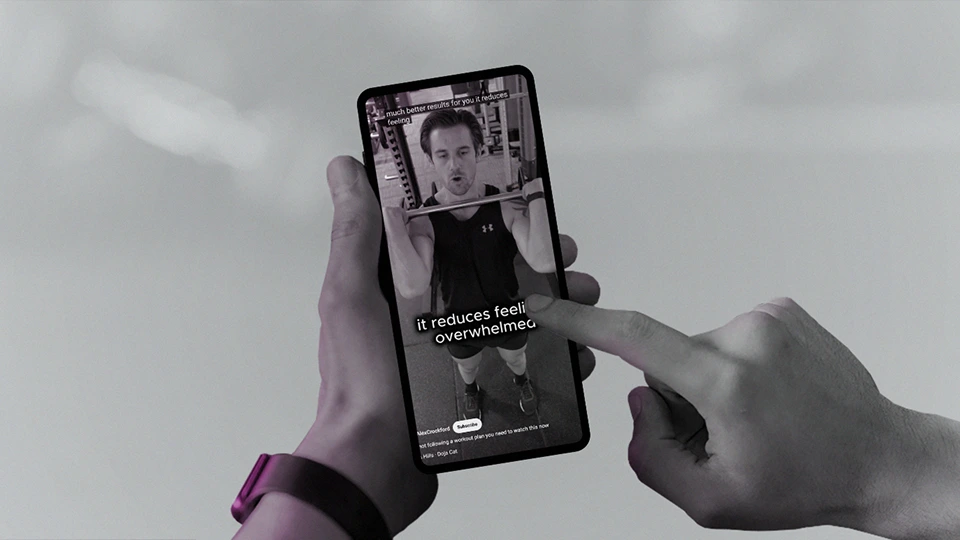
Mordor Intelligence’s online fitness market data confirms this direction: on-demand content is the fastest-growing segment in the category, and mobile-first delivery is how the majority of users access fitness support. A PT business that does not support async video delivery is already operating with a narrower service than its clients expect.
What strong video delivery looks like in practice
Good PT software should support video in three distinct ways.
Pre-recorded exercise demonstrations. These live inside the exercise library and load automatically when a client opens their workout. The trainer records once, the client benefits every time. Strong demo content removes the most common friction point for remote or hybrid clients: uncertainty about how to perform a movement correctly when nobody is watching.
Custom video content upload. The built-in library covers standard exercises. It does not cover the trainer’s specific warm-up sequences, rehab-friendly variations, machine-specific setups, or the short coaching clips that make the service feel genuinely personal. A platform that supports custom video uploads lets the trainer build a content library that is part of the business’s identity, not just a generic catalogue.
On-demand content libraries. Beyond individual workout sessions, many hybrid clients benefit from access to a broader resource library: mobility sequences, educational content, habit support, or session replays. On-demand libraries let the coach deliver value between sessions without adding to the live coaching workload.
Wellyx video delivery capabilities
When evaluating platforms like Wellyx, it is important to look at concrete capabilities rather than general features. Wellyx supports structured video delivery with:
- Flexible storage tiers ranging from 10GB to 75GB
- A pay-as-you-grow model that scales with business needs
- Video watch tracking to measure client engagement and content usage
These features allow coaches to manage, scale, and optimize their video content without unnecessary constraints.
Live virtual sessions and group calls deserve a separate check
Live virtual sessions and group calls deserve separate consideration when evaluating modern coaching platforms. Many buyers overlook this, especially when focusing only on traditional workout-building features.
Some platforms now include built-in options for one-to-one consultations, group sessions, and live video calls, allowing coaches to interact with clients in real time without relying on external tools. This capability is becoming increasingly important as coaching models evolve.
On-demand content and live interaction serve different purposes. Pre-recorded programs help scale delivery and provide flexibility for clients. In contrast, live sessions strengthen accountability, improve communication, and build stronger coach-client relationships.
For coaches running hybrid or online businesses, these features should not be treated as interchangeable. A platform that supports both can create a more balanced and effective coaching experience, combining scalability with personal connection.
Mobile access is the primary interface for most clients
Clients do not experience PT software from a calm desk with a large monitor. They open it in car parks, locker rooms, between calls, and while trying to remember what tomorrow’s session looks like. For most clients, the mobile experience is not a secondary layer. It is the main product.
If the app is slow, crowded, or inconsistent, clients stop relying on it. They ask questions over text instead of checking the platform. They miss Program updates. They forget sessions. They lose confidence in the system, even if the desktop version works well.
The mobile experience should cover: Program access, session booking, progress tracking, coach messaging, payment history, and content delivery. If any of those functions are degraded or missing on mobile, the service starts breaking down exactly where clients need it most.
Why integration beats a clever stack of smaller apps
| Tool type | What it usually does well | Where it usually falls short |
| Workout app | Delivers programs and exercise demos | Weak on billing, CRM, and operational flow |
| Booking tool | Handles calendars and reminders | Limited coaching context and package logic |
| Payment tool | Charges cards and manages transactions | No programming or client-journey context |
| Video platform | Hosts and delivers content | No scheduling, billing, or client record context |
| All-in-one platform | Connects delivery, billing, bookings, and communication | Usually needs more thoughtful setup |
Using separate tools can feel smart at first. You pay only for what you need. You pick the best product for each task. The setup feels flexible. Then you live inside it, and the calendar is in one place, Programs are in another, videos are somewhere else, invoices are elsewhere, and client history is partly in message threads.
Automation that protects attendance, billing, and retention
Automation is where personal trainer software shifts from being a useful tool to being an active support system for the business. The five automation categories below collectively protect the three things most likely to leak in a growing PT operation: attendance, cash flow, and client retention.
Session reminders
Sent automatically at 24 hours and again at 2 hours before a session, reminders are the single most reliable attendance lever available. They require no staff effort, cost nothing per send on most platforms, and remove the most common reason for a no-show: the client simply forgot. When reminders are handled manually or inconsistently, show rates usually suffer.
Failed-payment retries
When a card declines, the business needs to recover the revenue without making the client relationship feel transactional or confrontational. Automated retry sequences, attempting the charge again at 24, 48, and 72 hours with a notification to the client, recover a significant portion of failed payments without requiring the trainer or front desk to chase individually.
Renewal nudges
A client whose package is close to expiring is most likely to renew in the 7 to 10 days before it runs out. An automated renewal prompt sent at the right moment removes the barrier of the client needing to remember to act. Without this, the renewal window passes quietly, and the business has to reacquire a client it already had.
Check-in prompts
For hybrid and online clients, especially, an automated check-in message sent after a missed workout or a period of reduced activity keeps the coaching relationship alive between scheduled sessions. It signals that the trainer is paying attention without requiring the trainer to manually monitor every client’s activity log.
Program update alerts
When a new training block is assigned, an automated notification to the client reduces the lag between the coach creating the plan and the client accessing it. It also removes the most common client question, “Do I have a new Program yet?”, without requiring any manual communication.
Dustin Burnside, owner of Social Flex Gym, a class-based fitness facility that uses Wellyx across multiple operational functions, captures how automation works in practice:
“Wellyx’s waitlist management keeps classes full without spreadsheets or staff follow-up, a small feature that delivers big operational wins during busy weeks.”
That quiet efficiency is what automation looks like when it works. Not one dramatic improvement. As Danielle, the owner of Grit to Greatness puts it:
“I find real reward in setting up automations so we have less on our plate manually to do as being a business owner can be very overwhelming.”
It is important to keep such requirements in mind while selecting the software for your use. A consistent reduction in the small tasks that would otherwise require staff time or owner attention every single day is what many gym owners like Sarah Chaplin look for:
“Reminding people about memberships and these kind of things — if everything’s just automated and online, that’s basically what I was looking for.”
| Automation | What it does | Why it matters |
| Session reminders | Sends timed reminders before appointments | Protects attendance and reduces no-shows |
| Failed-payment retries | Re-attempts billing and notifies clients | Protects cash flow without manual chasing |
| Renewal nudges | Prompts clients before packages expire | Protects continuity and easier renewals |
| Check-in prompts | Re-engages clients after inactivity | Protects accountability between sessions |
| Program update alerts | Let’s clients know a new block is live | Protects responsiveness and reduces lag |
The best personal trainer software options in 2026
The point of the comparison is not to crown one universal winner. It is to make the buying decision more honest. Below is the practical read on where each platform tends to fit best.
Wellyx
Wellyx stands out as a full business platform rather than just a coaching tool. It is built for personal trainers who are no longer operating in isolation and need systems that support growth, staff management, and revenue control.
At the entry level, Wellyx covers the operational essentials: scheduling, bookings, memberships, and day-to-day business management. As you move up tiers, the platform expands into lead management, POS, marketing automation, loyalty programs, and staff permissions. This makes it particularly effective for studios and multi-trainer environments where coordination and visibility matter.
From a coaching perspective, Wellyx still delivers what most PTs need: progress tracking, packages, and client management. But its real strength lies in connecting those features to business outcomes. You are not just delivering sessions; you are managing a full client lifecycle from lead to retention.
Standout features
- End-to-end business management (CRM, POS, automation)
- Staff roles and permissions for team environments
- Centralized reporting and revenue tracking
- Branded client app experience
Strengths
- Ideal for scaling PT businesses and studios
- Eliminates the need for multiple disconnected tools
- Strong operational control and automation
Limitations
- May feel complex for solo trainers just starting out
- Coaching-specific features are strong, but not as deep as coaching-first platforms
PT Distinction
PT Distinction remains one of the strongest coaching-first platforms, particularly for online and hybrid trainers focused on long-term client engagement.
Its structure is built around continuity: workouts, nutrition, habits, and communication all sit in one ecosystem. The addition of AI tools—like the program generator and meal planner, makes it easier to scale personalized coaching without increasing manual workload.
The platform also supports branded apps, which help coaches maintain a professional client experience without needing external tools.
Standout features
- AI Program Generator and AI Meal Planner
- Habit tracking and behavioral coaching tools
- Strong client communication and check-in systems
- Branded app pathways
Strengths
- Excellent for online coaching businesses
- Strong focus on adherence and client retention
- Affordable entry pricing
Limitations
- Limited business management features (no full CRM or POS)
- Not ideal for physical studio operations
Trainerize
Trainerize has evolved into one of the most complete ecosystems for hybrid coaching. It combines workout delivery, communication, automation, and integrations into a single platform that works well for both individual trainers and larger gyms.
One of its biggest advantages is its integration network. Trainerize connects with major wearable devices and apps, allowing trainers to track real-world client data beyond workouts. It also includes in-app messaging, group coaching, and even video calls, making it highly versatile.
Standout features
- AI Workout Builder
- Extensive wearable integrations (Apple Watch, Fitbit, Garmin, etc.)
- In-app messaging, groups, and video calls
- Automation and Zapier connectivity
Strengths
- Strong hybrid coaching capabilities
- Scales well from solo trainers to gym environments
- Wide feature coverage across coaching and engagement
Limitations
- Business management tools are not as advanced as full studio platforms
- The interface can feel crowded due to feature depth
TrueCoach
TrueCoach focuses heavily on coaching quality, which makes it a favorite among trainers who prioritize programming, tracking, and client adherence.
The platform provides a clean, structured environment for delivering workouts, monitoring progress, and maintaining communication. It integrates well with nutrition tracking tools and wearables, ensuring that coaches have access to meaningful client data.
Unlike broader platforms, TrueCoach does not try to be everything. Instead, it delivers a refined coaching experience that works especially well for serious trainers.
Standout features
- High-quality workout builder and tracking system
- 3,000+ exercise video library
- Strong client dashboards
- Wearable and nutrition integrations
Strengths
- Excellent for coaching precision and structure
- Clean and professional client experience
- Reliable performance and usability
Limitations
- Limited business and marketing tools
- Not built for full studio management
TrainHeroic
TrainHeroic is designed for performance-focused coaching rather than general fitness training. It is widely used by strength coaches and athletic programs that require structured programming and progression tracking.
The platform also includes a marketplace where coaches can sell training programs, which adds a revenue stream beyond one-to-one coaching.
Standout features
- Athlete-focused programming tools
- Program marketplace for monetization
- Assistant coach support
- Scalable athlete management
Strengths
- Ideal for strength and conditioning coaches
- Strong programming and progression tracking
- Built for teams and performance environments
Limitations
- Limited general PT business features
- Not suitable for studio operations or casual clients
FitBudd
FitBudd operates in a brand-first space. It is designed for trainers who want their app, website, and client experience to reflect their personal brand.
The platform offers white-label solutions, custom app theming, and integrations with payment systems, making it appealing to creators and influencers building a recognizable digital presence.
Standout features
- White-labeled mobile apps
- Custom branding and theming
- Integrated payments (Apple Pay, Google Pay)
- Direct app-based client onboarding
Strengths
- Strong branding and presentation capabilities
- Good for online coaches and influencers
- Flexible growth from small to mid-size businesses
Limitations
- Coaching tools are solid but not best-in-class
- Business management features are moderate
TotalCoaching
TotalCoaching offers a simpler, more direct approach. It focuses on delivering training and nutrition plans without adding unnecessary complexity.
Its large food database and built-in nutrition features make it particularly useful for trainers who want to combine workouts and diet tracking in one place.
Standout features
- 25,000+ food database
- Training and meal plan delivery
- Mobile app access for clients
- Simple client management tools
Strengths
- Easy to use and budget-friendly
- Strong nutrition support
- Good for small coaching businesses
Limitations
- Limited automation and integrations
- Not designed for scaling large operations
QuickCoach.Fit
QuickCoach.Fit operates as a no-frills, cost-conscious solution designed for trainers who want to get online quickly without complex setup or premium pricing.
The platform bundles basic workout delivery, client messaging, progress tracking, and simple billing into a streamlined interface. It does not try to compete on feature depth; instead, it prioritizes speed-to-launch and affordability, making it useful for newer trainers or coaches running very small rosters who need something functional without learning curves or setup overhead.
Standout features
- Quick setup and intuitive onboarding
- Basic workout builder and exercise library
- Client messaging and simple progress tracking
- Session package and payment processing
- Mobile app access
Strengths
- Lowest barrier to entry for new coaches
- Simple pricing without hidden add-ons
- Fast implementation for solo trainers
- Suitable for coaches testing the online coaching model
Limitations
- Limited customization and branding options
- No advanced automation or integrations
- Not suitable for scaling beyond small rosters
- Lacks advanced reporting and analytics
How to choose the right platform
The “best personal trainer software” depends entirely on your business model. Instead of comparing features in isolation, focus on how your daily workflow looks and where your bottlenecks are.
- If you run a studio or multi-trainer business, you need more than coaching tools. You need scheduling, payments, reporting, and staff management. This is where Wellyx becomes the strongest fit.
- If your business is built around online coaching and client relationships, PT Distinction or TrueCoach will feel more natural. They are designed for engagement, adherence, and long-term progress tracking.
- For hybrid coaching models, Trainerize offers one of the most balanced solutions, especially if you rely on wearable data and client communication.
- If your work revolves around athletic performance or strength coaching, TrainHeroic is purpose-built for that environment.
- If your priority is branding and client experience, FitBudd gives you more control over how your business looks and feels.
And if you want something simple and cost-effective, TotalCoaching provides a solid starting point without overwhelming you.
| Platform | Best fit | Starting price shown publicly | Free Trial/ entry access | What stands out most | What to watch |
| Wellyx | PT studios, multi-trainer setups, all-in-one operations | $99/month | Offer a free demo | Scheduling, packages, POS, lead management, reporting, staff permissions, branded app, marketing tools | More system than a very simple solo coach may need |
| PT Distinction | Online and hybrid coaches | $19.90/month | 1 month free trial | AI program generator, nutrition coaching, AI meal planner, groups, branded apps, same-day support | Lighter on facility-style studio operations |
| Trainerize | Hybrid coaching and scalable digital delivery | Free plan, then $9/month Grow; Studio Plus $248/month per location | Free plan available (no trial needed) | AI workout builder, nutrition, groups, wearables, video calls, branded app options | Add-ons and studio-level expansion can raise costs |
| TrueCoach | Coaching-first businesses that care about programming and adherence | $26.34/month billed annually | Free trial available (Limited duration) | 3,000+ video exercise library, MyFitnessPal nutrition and habits, wearables on higher tiers, branded app on higher tiers | Less depth of studio operations than an all-in-one platform |
| TrainHeroic | Strength and performance coaching | $9.99/month, then athlete-based scaling | 14-days free trial | Performance programming, customizable exercise demos, marketplace sales, and assistant coaches | Not built around front-desk PT studio workflows |
| FitBudd | Brand-led online and hybrid coaches | $15/month for 2 clients; $79/month for 20 clients | Free start option, then upgrade to paid plans | Branded website and app paths, nutrition library, meals and macros, wearables, white-label options | Per-client scaling and branding tiers need watching |
| TotalCoaching | Coaches who want simpler digital coaching and nutrition support | $19/month for 5 clients; $49/month for 20 clients | 30-days free trial (after demo) | Training and meal plans, client apps, progress logs, 25,000-food database, easier entry pricing | Lighter stack for broader studio operations |
Solo PT vs PT studio: how software needs differ
This is where a lot of buying mistakes happen. Not because owners are careless, but because the category itself is broad. A platform that feels perfect for one business type can feel bloated or underpowered for another.
| Business type | Main priority | What usually matters most |
| Solo trainer | Low drag | Scheduling, payments, programming, messaging |
| Hybrid coach | Ongoing structure | Video delivery, check-ins, recurring billing, mobile access |
| PT studio | Coordination | Staff permissions, trainer scheduling, reporting, and package control |
What solo personal trainers should care about first
Solo trainers usually need leverage more than complexity. They only have so many hours in the week, so the real goal is to reduce drag without adding a system that feels heavier than the business itself.
For most solo PTs, the essentials are simple scheduling, strong programming, easy payments, client messaging, visible progress tracking, basic lead capture, and clean mobile access. A platform that does those seven things well, without requiring significant configuration time, will usually serve a solo trainer better than a feature-rich system designed for team operations.
What hybrid coaches need from software
Hybrid coaching works best when the platform keeps the relationship active between sessions. The client is not physically present for most of the week, so the software has to carry more of the coaching continuity. These businesses usually prioritise Program delivery, client adherence tracking, check-ins, habit support, reminder systems, recurring revenue logic, video access, and a phone-first client experience.
The key question for hybrid coaches is not whether the software supports online clients. Most do. The question is whether it supports the relationship between sessions, whether it makes the coach feel present even when they are not.
Community features strengthen hybrid coaching
For hybrid and online coaching models, community and peer engagement features have become increasingly valuable. While one-to-one coaching remains the core service, many platforms now include group features that allow coaches to build accountability and connection among clients without requiring the trainer to facilitate every interaction.
Strong community tools include group messaging channels where clients can share progress, ask questions, and encourage each other; challenge or habit-tracking groups that create friendly competition around specific goals; and client forums or discussion boards that reduce repetitive questions by allowing peer-to-peer support. These features work because they keep the coaching experience active outside the scheduled session without adding to the trainer’s manual workload.
Platforms like FitBudd have built community as a core part of the hybrid coaching experience, allowing coaches to foster connection among their client base while scaling support through peer engagement. When community features are integrated properly, they improve retention, reduce the trainer’s support burden, and help clients feel part of something larger than a one-to-one relationship.
What PT studios need once the team grows
Studios need everything solo trainers need, plus coordination.
Once there are multiple coaches, the software has to manage staff permissions so trainers see only their own clients’ records, trainer schedules that can be managed centrally, shared billing and package logic across all coaches, reporting that gives the owner visibility across the whole operation, and enough consistency that members do not feel like they are entering a different business every time they work with a different trainer.
That is why trainer-first apps often hit their limit in studio settings. They may be excellent for one coach with a client roster, but less useful when the business becomes a team operation with front-desk responsibilities, membership management, and multi-trainer reporting needs.
That coordination problem is at the heart of why studios eventually outgrow solo-coach platforms. Thamar Hewsen, owner of Asylum Gym, frames what is really at stake when the system fails to keep up with the team:
“These people are the lifeblood of the gym. If the software can’t keep them organised, connected, and looked after, you start losing the thing that makes the whole place work.”
That observation matters because it reframes the software decision. In a studio, the platform is not just a tool the owner uses. It is the infrastructure that holds the member experience together across every trainer, every session, and every interaction.
For studio owners thinking through the physical and operational setup alongside software decisions, see personal training studio design ideas.
Pricing and security
Price the real cost, not the monthly headline
Software pricing is one of the easiest places to misread value.

Many PT tools look affordable until the business actually starts using them properly. A low headline price can hide client limits, trainer limits, onboarding costs, branded app fees, support tiers, automation caps, or the need to keep paying for other tools around it.
Expert tip: The 90-Day pricing stress test
Never judge a platform’s affordability at your current size. Model the cost at
three points instead:
1. Today (30 clients / 2 coaches)
2. Realistic growth (60 clients / 4 coaches)
3. Ambitious growth (100+ clients / 6+ coaches)
If pricing jumps dramatically at point 2, the platform will force a costly
migration exactly when you’re too busy to switch. A platform that stays affordable
through all three points protects your business from outgrowing its tools.
Most PT software pricing falls into three broad models:
| Pricing Model | How It Works | Best Fit | Risks to Watch |
| Per Trainer | Pricing increases as the number of staff grows | Small teams and coach-led studios | Costs can escalate quickly as headcount increases |
| Per Client | Pricing scales with the number of active clients | Studios or online programs with smaller client rosters | Can become expensive at larger scales |
| Tiered Plans | Features and limits vary depending on the plan selected | Businesses seeking a predictable structure and easy budgeting | Key features may be locked behind higher-tier plans |
Understanding when each model becomes expensive requires thinking about your specific business shape. A per-client model priced at $1 per client per month costs $30 for 30 clients, affordable. At 80 clients, it costs $80 per month, which may be comparable to or higher than a tiered plan that also includes features the per-client model does not.
A per-trainer model priced at $30 per trainer per month stays flat while you are solo, but doubles the moment a second coach joins, and doubles again at four trainers. Tiered plans offer predictability, but require checking whether the features your business actually uses are included in the base tier or only available at higher pricing levels. The right model is the one that stays affordable at your current size and does not penalise you when the business grows.
For a full breakdown of Wellyx’s pricing tiers and what each includes, see the pricing page directly.
What the active market looks like in 2026
The active price range in personal training software spans from free entry-level tools to more advanced platforms exceeding $200 per month.
At the lower end, some tools offer free tiers or sub-$20 plans designed for solo or early-stage coaches. Mid-range platforms typically fall between $20 and $100 per month, supporting growing client bases with more structured features.
At the higher end, studio-focused and all-in-one systems often range from $100 to $300+ per month, reflecting broader operational capabilities, scalability, and multi-trainer support.
- Wellyx publicly lists $99, $199, and $299 tiers.
- PT Distinction starts at $19.90.
- Trainerize offers free entry, Grow at $9, and Studio Plus at $248 per location.
- TrueCoach starts at $26.34.
- TrainHeroic starts at $9.99 and scales by athlete count.
- FitBudd starts at $15 for 2 clients and $79 for 20 clients on its monthly plans.
- TotalCoaching starts at $19 for 5 clients and $49 for 20 clients.
That spread is why buyers should be careful with shortcuts. A cheap monthly number is only useful if it matches the business you actually run.
Branded app costs and why they matter
A branded app is not automatically essential, but its value increases as a fitness business becomes more visible, more systemized, and more reliant on client retention. In the early stages, generic apps may be enough. However, as your brand grows, the experience you deliver starts to matter just as much as the results you provide.
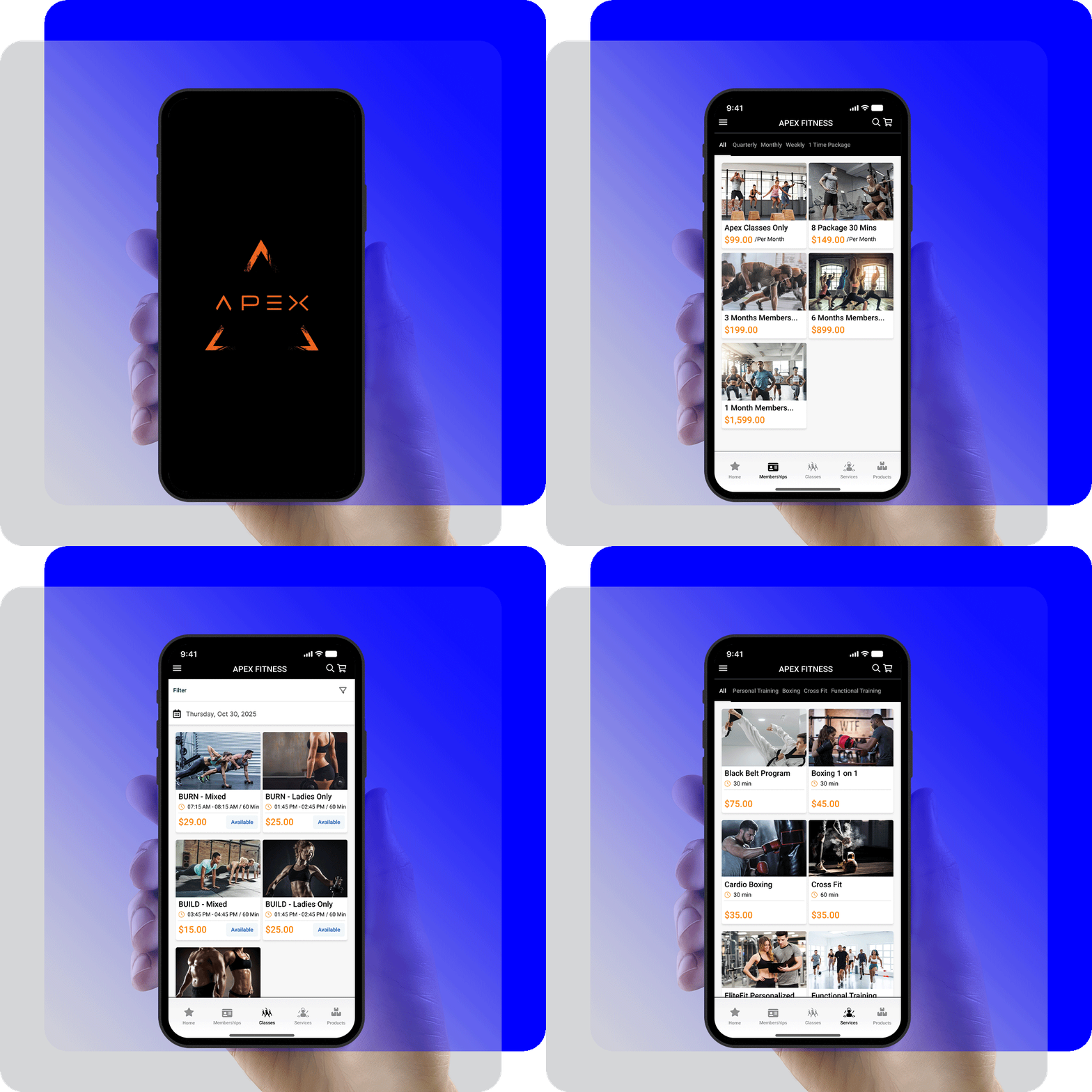
Different platforms approach this in their own way. Some offer fully custom-branded mobile apps where clients can book sessions, track progress, purchase packages, and manage their accounts in one place. Others provide branded app options at higher tiers or allow deeper customization through white-label solutions and app store publishing.
The real advantage of a branded app is not appearance—it is consistency. When scheduling, workouts, communication, and payments all exist within an environment that reflects your business, the experience feels more unified and professional. Clients are not jumping between tools; they are engaging directly with your brand.
As Anmarie, the owner of Kokobeenz put it,
“I was sold on the branded app, right? I was sold on that one… the biggest thing for me to be on the app store, you know, I think that was, and then the price wasn’t too bad.”
That perspective captures the shift. A branded app is not just a feature. It is a step toward ownership, credibility, and long-term client connection.
Security and client data deserve adult attention
PT businesses handle highly sensitive client data. Secure software with encrypted storage, role-based access, and trusted payment handling protects privacy, builds trust, and ensures compliance.
Why PT businesses handle more sensitive data than they sometimes admit
Personal training businesses often manage far more sensitive client information than they realise. Every detail represents the trust clients place in your business, and mishandling it carries serious consequences.
Sensitive information typically includes health forms and medical history, injury records and rehabilitation notes, progress photos and videos, attendance tracking and session logs, body measurements and fitness assessments, payment and billing details, and private contact information.
For a PT business, these details are integral to delivering personalised Programs and tracking progress. But they are also high-value data points that require protection. Treating privacy and security as optional risks undermines client trust and can lead to compliance issues, financial liability, and reputational damage.
GDPR, health data, and what it means for PT businesses
In the United Kingdom and across the European Union, health-related data is classified as special category data under GDPR Article 9. This is the highest tier of data protection under the regulation, and it covers exactly the kind of information PT businesses routinely collect: health questionnaires, injury histories, fitness assessments, and progress records.
Under UK GDPR, PT businesses that hold special category data must have an explicit legal basis for processing it, a clear privacy notice informing clients how their data is used, processes for handling data access requests and deletion requests, and technical safeguards that reflect the sensitivity of the data held.
In practice, this means the software you choose must support role-based access controls, encrypted storage and data in transit, and clear data retention policies. Platforms that lack these features do not just create a poor experience; they create compliance exposure. The Information Commissioner’s Office (ICO) in the UK provides guidance specifically for small businesses and health-related operators. Reviewing that guidance before selecting a platform is a sensible step, not an excessive one.
PCI DSS compliance, the payment card industry data security standard, governs how payment data is stored and transmitted. Any PT platform that processes card payments should use a PCI-compliant payment processor. This is a minimum requirement, not a premium feature.
What secure PT software should include
A strong, secure PT platform should offer secure login and multi-factor authentication, encrypted data transport, role-based access controls so staff see only the information relevant to their role, reliable data backups and disaster recovery, trusted PCI-compliant payment handling, clear and transparent privacy documentation, and the ability to process data deletion requests when clients exercise their rights.
Security is also part of trust
Even if clients never explicitly ask how their information is stored, security matters. Handling health-related data carelessly, even unintentionally, puts the client relationship at risk. A secure platform signals that your business takes client privacy seriously, which quietly strengthens confidence and loyalty over time.
The first 90 days matter more than the buying decision
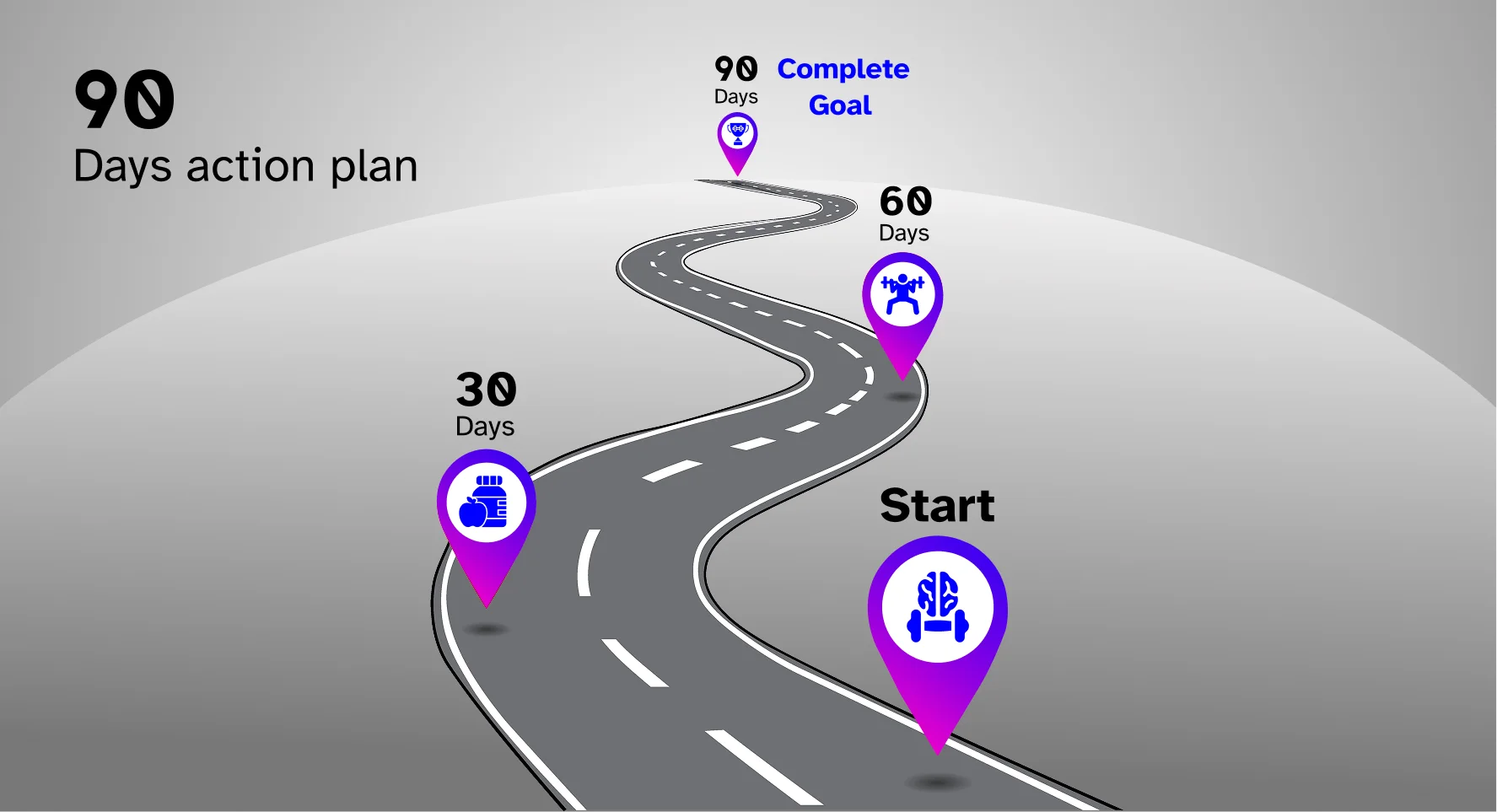
The first 90 days on a new PT platform set the tone. Proper onboarding, clear setup, and reliable support reduce friction, protect revenue, and turn powerful software into a seamless daily workflow.
Good onboarding protects a good decision
Many software switches go wrong in the same place: the awkward middle. The old setup is too messy to keep trusting. The new setup is not fully built yet. The staff is unsure. Clients are confused about where to log in. A serious implementation should cover client data migration, package and membership setup, trainer availability, booking rules, payment settings, communication flows, app or member access decisions, and staff training.
Support is not extra. In software that touches billing, bookings, and client communication, support becomes part of the actual service you are buying.
“She’s almost spoon-fed me every little avenue of their program… She’s done almost everything for me. I could tell they really, truly care about us being successful.” — Phil Baltimore, Owner, Train Better
That is the kind of support quality that changes how a platform feels in those first critical weeks. When a setup question is answered quickly and a staff training session is thorough, the team builds confidence faster. And when confidence builds faster, the platform starts doing its job properly sooner.
Why support is part of the product
Support is not extra. In software that touches billing, bookings, and client communication, support becomes part of the actual service you are buying.
That is the kind of support quality that changes how a platform feels in those first critical weeks. When a setup question is answered quickly, when a staff training session is thorough, when someone is reachable when something goes wrong during a busy Tuesday, the team builds confidence faster. And when confidence builds faster, the platform starts doing its job properly sooner.
The quality of the help desk shapes the quality of the implementation. Fast answers reduce hesitation. Clear training reduces misuse. A good setup reduces churn later.
A better way to judge the first 90 days
A good first 90 days on a new PT platform should feel like this: fewer places to check, fewer manual reconciliations, fewer “let me get back to you” moments, cleaner booking visibility, more confidence around billing, clearer client access to workouts and sessions, and less staff hesitation around everyday tasks.
What PT operators actually experience: the Train Better case study
Train Better: moving from scattered tools to a single platform
Train Better is a personal training business that went through the evaluation and migration process that many PT operators face: multiple tools handling different parts of the operation, an increasing sense that the setup was creating work rather than removing it, and the decision to consolidate onto a single platform.
Phil Baltimore, who runs Train Better, evaluated several platforms before committing to Wellyx. His two primary concerns going into the decision were usability and support, whether the platform would actually get used properly, and whether the implementation would be handled with enough care to make the switch feel worthwhile.
On usability, his assessment was immediate and clear:
“The usability of the program… it looked very user-friendly.”
That first impression matters because it determines adoption. A platform that looks accessible on first contact tends to get embedded properly. One that presents a learning curve before it becomes useful often gets used partially, which means the business continues carrying part of the admin load that the software was supposed to remove.
On support and implementation, Baltimore’s experience was equally direct:
“I could tell they really, truly care about us being successful… they’ve bent over backwards for us.”
The pattern here is familiar across PT businesses that go through a platform migration successfully: the technology is one part of the outcome, but the quality of the onboarding and support process determines how quickly the technology starts delivering its value.
The operational results followed the implementation. Within the first 90 days on the platform, Train Better recovered measurable ground on two of the metrics that matter most in a growing PT business: administrative hours dropped significantly as booking confirmations, reminders, and package tracking moved out of manual processes, and show rates improved as automated session reminders replaced ad hoc follow-up.
Baltimore estimates the time recovered from admin in the first month alone was equivalent to several additional coaching hours per week, capacity that went back into client programming and sales conversations rather than spreadsheet management.
When the front desk is split between three truths
Many PT businesses, studios, and hybrid operations eventually run into the same problem: bookings, payments, and day-to-day operations live in separate systems. That creates manual reconciliation. Staff bounces between tabs. Packages do not quite match bookings. A client asks a simple question, and the answer is scattered across three places.
The names of the tools change from business to business. The lesson does not. When one service depends on too many disconnected truths, the day feels heavier than it should.
What operators consistently report after consolidating to a single platform is not one dramatic improvement. It is a quieter reduction in daily pressure, fewer repeated tasks, fewer places where mistakes can hide, and fewer moments where a staff member has to say, “let me check and get back to you.”
What ROI actually looks like in a PT business
The wrong first question
Many buyers ask, “What does the software cost?” The better question is, “What does the software change?”
That shift matters because software returns usually show up in ordinary places long before the change looks dramatic: less admin, fewer no-shows, faster follow-up, better package visibility, smoother renewals, higher show rates, more stable client routine, fewer billing surprises, and lower mental load on the owner or staff.
Expert tip: The silent revenue leak audit
Before buying software, audit where your revenue leaks silently in a typical week:
1. Count no-shows (sessions booked but trainer-less)
2. Count failed payments that take >3 days to notice
3. Count leads who don’t convert to consultation
4. Count clients who renew late (>48 hrs after expiration)
5. Count “manual reconciliations” (checking three tools)
Each number × your hourly rate = real money. Good software doesn’t just feel
better. It recovers the revenue already sitting in those gaps. Measure the gaps
first, then evaluate which platform closes the biggest ones.
A practical ROI scorecard
| Metric | What does it tell you | Why it matters | Industry benchmark |
| Admin hours saved | Whether the system has removed manual work | Time becomes coaching capacity | Target: 5–8 hrs/week recovered in first 90 days |
| No-show rate | Whether reminders and booking flow improved | Attendance protects revenue | Industry average: 15–20% without reminders; target below 10% with automated systems |
| Payment recovery time | Whether failed payments get handled faster | Cash flow stays healthier | Target: 80%+ of failed payments recovered within 72 hrs via automated retry |
| Rebooking rate | Whether the routine is holding | A better routine improves retention | Target: 70%+ of clients rebook within 48 hrs of a completed session |
| Package renewal rate | Whether clients see value clearly enough to continue | Renewals signal healthy delivery | HFA 2025 reports average member retention of 66.4%, target package renewal above this |
| Client retention length | Whether the service stays strong over time | Retention beats constant reacquisition | Average gym member tenure: 8–12 months; strong coaching operations extend beyond 18 months |
| Lead-to-consult rate | Whether the follow-up is strong enough | Early friction kills sales | Industry norm: 20–30% of leads convert to a consultation when follow-up is within 5 minutes |
| Workout completion rate | Whether support between sessions is working | Adherence drives results | Target: 70%+ weekly completion rate for hybrid and app-based clients |
Those are the numbers worth tracking because they map software activity to business outcomes instead of just platform usage.
Vendor claims and practical expectations
Software vendors often make strong claims about revenue lift, retention, automation, or time saved. Those claims can be directionally useful, but they should not be treated as guarantees.
The better way to judge a platform is more practical. Does it remove extra work? Does it tighten follow-up? Does it make billing cleaner? Does it help clients stay in routine? Does it make the business feel easier to run?
That is how owners experience ROI in practice. Less extra work. Fewer repeated tasks. A cleaner day.
The mistakes that cost buyers money later
Buying software rarely goes wrong in one dramatic moment. It usually goes wrong in quieter ways. A platform looks polished in the demo. The pricing feels manageable. The feature list seems generous. Then the real business starts pressing against it.
These are the mistakes that tend to create that kind of cost.
Buying by feature list instead of workflow
A big feature list can hide a bad fit. If the tool does not reduce your actual daily friction, the features will not rescue it. The better buying question is not “What does it include?” It is “What gets easier on a busy Tuesday?”
Underestimating onboarding
A system switch is not light work. If migration, package setup, staff training, communication flows, and client access are handled badly, the team loses confidence before the platform has a fair chance to prove itself. Good onboarding does not just transfer information. It rebuilds rhythm. It helps the business move from old habits into new ones without losing too much trust along the way.
Choosing the lowest visible price
Cheap software can become expensive quickly when it forces you to keep other tools around it or adds costs at the exact moment you start relying on it. The smarter pricing question is not “What is the monthly fee?” It is “What does this replace, and what will this still leave sitting on our plate?”
Ignoring the mobile experience
If the client app feels awkward, usage drops. If staff mobile access is clumsy, workarounds come back. And when workarounds come back, the old problems usually return with them. A weak mobile experience does not usually cause one big failure. It causes a slow erosion of adoption.
Treating reminders and billing as “nice to have.”
They are not. Show rates, cash flow, package clarity, and retention all depend on those systems working reliably. Reliable reminders and billing do more to support retention than flashier features often will.
Skipping the privacy review
If you collect health-related information, and almost every PT business does, privacy and access control deserve careful attention before a platform becomes embedded in the business. Most clients will never ask how their data is stored. That does not make it less important.
Expecting software to fix a weak offer
Software can reduce drag, improve follow-through, and help good operations scale. It cannot turn a weak coaching service into a strong one on its own. Good systems amplify a good offer. They do not replace the need for one.
Here is a complete checklist:
Final thoughts
The fitness industry is evolving quickly, and the bar for what clients expect from their PT experience is rising with it. Choosing the right personal trainer software is not primarily a technology decision. It is a business decision about which operational model you want to run.
The clearest buying framework comes from working through five questions in order: Where does your current setup create friction? Which coaching model are you running, and which will you be running in 18 months? Do the platform’s core functions connect to each other or require manual reconciliation? What does the platform actually cost at your real business size? And how thoroughly will the onboarding and support process get you operational?
A platform that scores well on all five is likely to deliver genuine value, not because it has the longest feature list, but because it reduces the recurring drag that keeps a good business smaller and more complicated than it needs to be.
PT software like Wellyx brings programming, scheduling, payments, video delivery, and client management into one place, so trainers and studios can run their businesses without juggling disconnected tools. If you are evaluating platforms, the pricing page and a demo conversation are the most direct ways to test whether the fit is right for your specific operation.
Book a demo with Wellyx today to explore the platform’s features, see how it handles your coaching model, and find the right plan for your business.
Frequently Asked Questions
What is personal trainer software?
Personal trainer software is a digital platform that helps trainers manage coaching and business tasks in one place. It usually includes programming, scheduling, progress tracking, communication, payments, and reporting.
Do personal trainers really need software?
Most do. A very small client list can be managed manually for a while, but once bookings, billing, check-ins, and hybrid coaching start growing, software becomes the easiest way to stay organised and professional.
What features should the best personal trainer software include?
The most important features are workout programming, exercise libraries, scheduling, client management, messaging, payments, analytics, and video delivery. Studio businesses also need staff management and reporting.
What is the difference between personal trainer software and PT scheduling software?
PT scheduling software mainly handles bookings, calendars, reminders, and session management. Full personal trainer software goes much further by including programming, payments, communication, client tracking, and progress reporting too.
Why does exercise library depth matter so much?
Because it affects both speed and quality, a strong library helps trainers build Programs faster, choose better movement options, and give clients clear guidance through demo videos and progressions. It also supports progression tagging so clients can move from beginner to intermediate exercises without the trainer rebuilding plans from scratch.
Can trainers coach clients online with modern PT software?
Yes. Most modern systems support online or hybrid coaching through workout delivery, progress tracking, messaging, video libraries, and in some cases live virtual sessions. The online fitness market is forecast to reach $120 billion by 2031, which reflects both the demand and the maturity of digital delivery tools.
Is personal trainer software secure?
It should be, but not all platforms are equal. Since trainers handle health-related information classified as special category data under UK GDPR Article 9, they should look for strong privacy protections, PCI-compliant payment handling, encrypted data storage, role-based access controls, and clear privacy documentation. Reviewing ICO guidance before selecting a platform is a sensible step for any UK-based operator.
How does scheduling software help trainers?
It makes booking easier, reduces back-and-forth messages, helps prevent double bookings, supports recurring sessions, and sends reminders automatically. Research consistently shows that reminder systems reduce missed appointments across appointment-based service settings.
How much does personal trainer software cost?
Entry plans for personal trainer software typically start at $20 to $30 per month for a trainer with a small client base. As the business grows and requires more features, pricing usually increases to $50 to $150 per month. For larger training studios with multiple trainers and more advanced tools, the cost can be higher depending on staff size, features, and operational complexity. Wellyx personal trainer software pricing starts at $99 per month, offering a comprehensive platform designed to support growing personal training businesses.
What pricing model is best: per trainer, per client, or tiered plans?
It depends on the business. Per-trainer pricing can suit small teams but escalates with headcount. Per-client pricing may work early, but it becomes expensive as the roster grows past 60 to 80 active clients. Tiered plans work well when the feature set and limits match the shape of the business at its current and next stage of growth.
What is the biggest sign that a trainer has outgrown manual systems?
Usually, it is not one huge failure. It is a pattern: too many scattered notes, too much admin, weak follow-up, clumsy booking, missed payments, and clients slipping away because the service feels harder to use than it should.