You can start a dance studio from scratch with a clear plan, finding the right location, setting a budget, hiring teachers, and using dance studio management software to handle bookings and payments.
On average, it costs between $15,000 and $50,000 to start a dance studio, depending on your space, location, and equipment.
The dream that dances into a business
Every dancer has a dream of having a place filled with music, mirrors, and movement. A place that feels alive. A place where passion and purpose meet.
That dream is possible. In fact, it’s happening everywhere.
According to IBISWorld, the U.S. dance studio industry was valued at over $4 billion in 2025 and continues to grow by 3-5% each year. That means people are not just dancing for fun. They’re investing in it. Parents are enrolling kids in classes. Adults are joining for fitness and joy. And professionals are training for careers.
This is your chance to turn your passion into profit. Starting a dance studio is not just about renting a space and turning up the music. It’s about creating a business that moves people, literally and emotionally.
The average cost to open a dance studio ranges between $15,000 and $50,000. That covers rent, flooring, mirrors, sound systems, insurance, marketing, and dance studio software.
The best part? With the right setup, your studio can start earning income in just a few months. Many owners begin with one room and grow to full studios with multiple instructors.
So, if you’re ready to make dance your full-time work, this guide will show you exactly how to start. Step by step.

Start with a clear vision and strong mindset
The first step in learning how to start a dance studio from scratch is knowing why you want to do it. Do you want to teach kids? Build a community? Create a space for professionals? Your reason shapes your studio.
Write your vision down. Keep it simple. For example:
“I want to build a studio that teaches kids confidence through dance.”
That vision will guide your decision, from class styles to pricing.
Then build your mindset. You’ll be a dancer, teacher, and business owner at the same time. You’ll make mistakes. You’ll learn fast. But if you stay focused and flexible, your passion will carry you through.
How much does it cost to start a dance studio?
Let’s talk real numbers. So, how much does it cost to start a dance studio?
Here’s a simple breakdown.
- Rent and deposit: $2,000-$5,000 per month, depending on your city. Expect to pay 2-3 months up front as a deposit.
- Flooring and mirrors: $4,000-$10,000 depending on the size and materials.
- Sound system and lights: $1,000-$3,000 for good-quality equipment.
- Furniture and decor: $1,000-$2,000 for reception, benches, and signage.
- Permits and licenses: $500-$2,000 depending on your area.
- Insurance: Around $500-$1,500 per year.
- Marketing and branding: $1,000-$3,000 to build awareness.
- Dance studio software: $70-$200 per month.
- Instructor salaries: $20-$50 per hour.
That brings your total startup cost to about $15,000-$50,000 for most small to mid-size studios.
It’s smart to set aside at least three months of expenses as backup. That gives you time to build steady student numbers without stress.
Build the business foundation
Now let’s turn your idea into a business. This is where you learn how to start a dance studio business properly.
Start with your studio name. Choose something short, easy, and meaningful, like “RhythmSpace” or “DanceBloom.”
Next, register your business and get a tax ID or EIN. Open a business bank account so your finances stay organized.
Then, decide on your pricing model. You can offer:
- Drop-in classes (for casual students).
- Monthly memberships (for regular).
- Private sessions (for extra income).
Set clear prices that reflect your value. Most studios charge $15-25 per class or $120-$200 per month for unlimited classes.
A good brand and simple structure make your studio feel professional from day one.
Find the perfect space
Location matters more than anything. Choose a spot that’s easy to reach, visible, and safe. Think about parking, bus routes, and neighborhood energy.
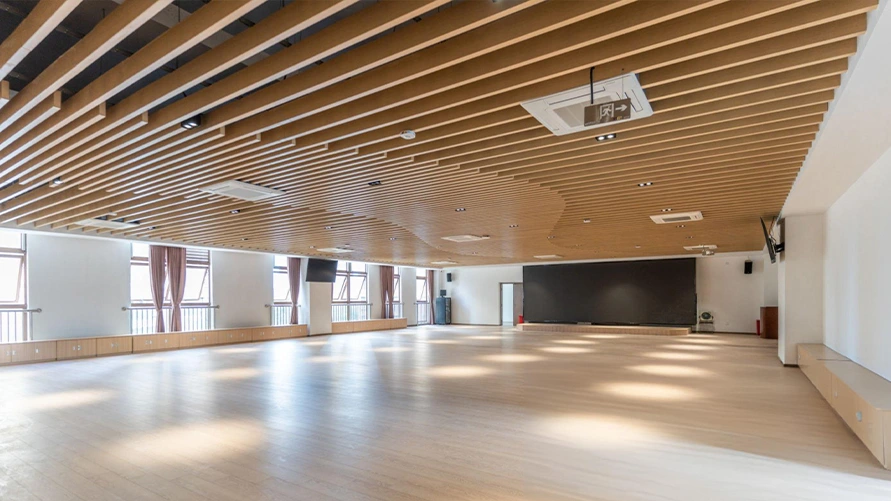
Your space doesn’t need to be huge; small studios with 800-1,200 square feet can work beautifully if designed well. Larger studios for teams and events might need 2,000+ square feet.
When viewing spaces, check the flooring, ceiling height, and natural light. Avoid carpet and uneven floors. They can cause injuries. Go for a ground-floor space with mirrors and high ceilings.
Before signing a lease, ask for a short-term agreement or a clause that lets you expand later. It’s easier to grow than to shrink.
Licenses, insurance, and safety
Every dance studio must follow local rules. You’ll likely need:
- A business license.
- Fire and safety permits.
- A certificate of occupancy.
- General liability insurance.
Insurance protects you if someone slips or gets hurt. It’s not optional. It’s essential. Most plans cost around $500-$1,500 per year, depending on your location and class size.
Safety matters too. Use slip-proof flooring, keep first aid supplies nearby, and ensure all equipment is secure. A safe studio builds trust and confidence.
The power of dance studio software
Here’s a secret most successful studios share. They all use cloud-based dance studio management software.
Good software costs around $70-$200 per month, but it saves hours every week. It helps you:
- Manage class schedules.
- Accept online booking and payments.
- Track attendance.
- Send reminders and promotions.
- View reports and student data easily.
Software like Wellyx makes your studio run smoothly. You’ll spend less time on admin and more time dancing and teaching.
In simple terms, software makes your studio look professional, even if it’s brand new.
Create your class schedule and pricing structure
Now comes the fun part, planning your classes.
Start small with 4-5 classes per week. Offer a mix like:
- Kids’ beginner dance.
- Teen hip-hop.
- Adult fitness dance.
- Ballet or jazz fundamentals.
Keep times consistent so students can build a routine. You can always add more once your classes fill up.
For pricing, keep it simple and fair. Offer:
- Drop-in classes for $15-$25 each.
- Monthly membership for $120-$200.
- Family or sibling discounts to attract more students.
Always collect payment in advance. That keeps your cash flow strong and prevents late payments.
Build a team that shares your vision
Your instructors will shape your studio’s culture. Hire teachers who are kind, patient, and positive. Skill matters, but attitude matters more.
Watch them teach a trial class before hiring. Pay them fairly and clearly explain payment schedules and expectations.
Create a friendly work environment. Listen to your team, support them, and celebrate small wins together. When your teachers feel valued, your students will feel inspired.
Market your studio and fill your classes
No one can join your studio if they don’t know it exists. That’s why marketing is key.
Start with local visibility. Register your business on Google Maps and create a Google Business Profile. Add your address, photos, and class times.
Then build a simple website with your class schedule and contact form.
Use social media like Instagram, TikTok, and Facebook to share short dance clips, happy student moments, and behind-the-scenes posts. People love to see real energy and emotion.
You can also:
- Partner with local schools or gyms.
- Offer free open-house classes.
- Run “Bring a Friend” days.
Word-of-mouth will soon become your strongest marketing tool.
How to make your dance studio profitable
Profit comes from consistency. Once your classes fill up, start adding new ways to earn more:
- Offer private lessons for higher rates.
- Sell studio merchandise like T-shirts and water bottles.
- Host dance workshops or themed events.
- Rent your studio for rehearsals or small performances.
- Add online classes for extra income.
Use your studio software to track revenue and attendance. It’ll help you see which classes are making the most money so you can focus your efforts.
Keep your expenses low. Negotiate with suppliers, use digital marketing instead of print, and plan energy-efficient studio upgrades.
Remember, small daily profits add up to big annual success.
Mistakes to avoid when starting your studio
Here are common mistakes new owners make, and how you can avoid them:
- Over-investing too early. Start small and grow naturally.
- Ignoring marketing. You can’t fill classes without promoting them.
- Underpricing classes. Value your time and experience.
- Skipping insurance or legal steps. Always stay protected.
- Trying to do everything alone. Use software and hire help when needed.
Learning from others’ mistakes saves time, money, and energy.
Turn passion into long-term success
Starting a dance studio is more than opening a business; it’s building a space that changes lives. Every student who walks in brings energy, dreams, and stories. You’ll be part of that journey.
If you plan smart, budget carefully, and use the right tools, your passion can truly become profitable. You don’t need millions to start: just heart, focus, and consistency.
The world needs more places that spread movement and joy. Your studio can be that place. So, take the first step. Write your plan, choose your space, and let your dream take center stage.
Dance has always been about rhythm. Now it’s time to create your own rhythm in business. One step, one class, one smile at a time.