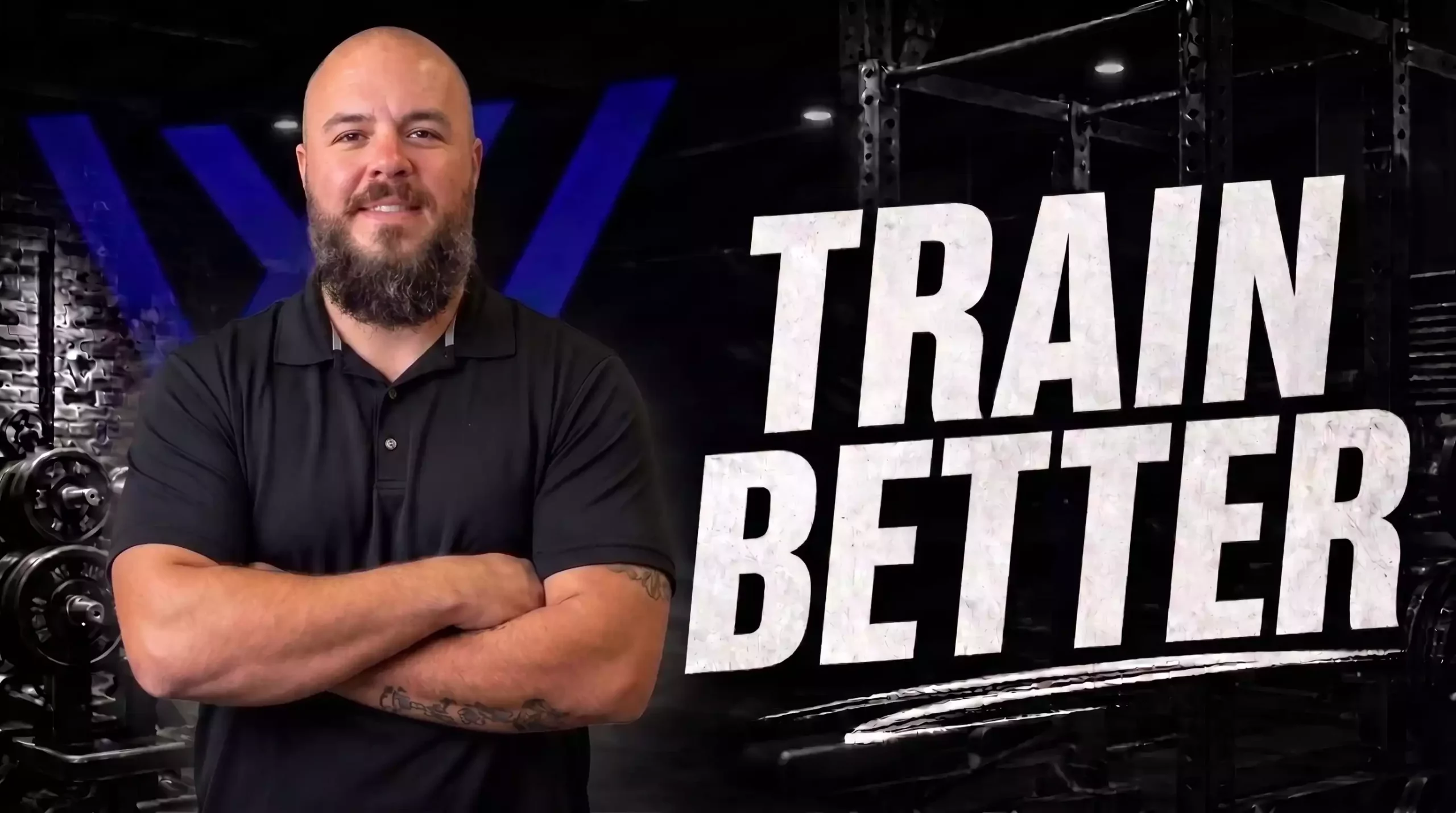
The founder’s floor
In this episode, Gideon talks with Phil Biamonte, the retired Air Force mechanic and softball coach who partnered with a former professional football player to build a Tucson strength and conditioning gym focused on getting elite youth athletes to college on athletic scholarships.
July 7, 2026
Co-founder of Train Better in Tucson. A retired US Air Force aviation maintenance specialist and longtime travel softball coach, he built the gym with a former professional football player after losing 50 pounds through personal training and deciding to turn his post-military energy into a legacy project for youth athletes.
Train Better is a Tucson, Arizona, strength and conditioning facility built for elite youth athletes aged 12 to 18, with memberships capped at roughly 300 people total and no more than about 200 children. The programming is modeled on a collegiate weight room, with sport-specific plans delivered in a semi-personal, small-group environment through an app-based system on iPads and an exercise physiologist on staff. Adult training runs alongside youth programming to help cover overhead, with adult classes running on the hour from 5 to 9 a.m. and youth classes on the hour from 4 to 8 p.m., every day of the week. The gym is centrally located at Alvernon and Irvington and operates as a Second Sky partner, sharing the same community space.
Phil built the business with Kurt Bowlers, a former professional football player, whom he credits with the science and movement-analysis side of the program. (Per Phil, Kurt played in the NFL with the Dallas Cowboys and Indianapolis Colts.) Members are drawn from softball, football, soccer, and basketball rather than a single sport, and Phil and Kurt are also launching a nonprofit called the Rise Up and Go Further Foundation, which will fundraise to cover memberships for families who can’t afford the fees. The gym opened its first class on February 2, 2026, and has been in operation since.
This is an episode about a gym born out of a midlife course correction and a promise made in a wellness clinic. Phil Biamonte’s story starts with the version of himself he almost stayed, tired, out of shape, and staring at bloodwork that put his testosterone in the range of a 70-year-old man. He was retired from the US Air Force, where he’d spent his career in aviation maintenance keeping auxiliary equipment like turbine generators and hydraulic test stands running, and the discipline of that work hadn’t carried into the years after. He walked into a wellness clinic looking for a personal trainer and walked out having met Kurt Bowlers, a former professional football player who would go on to become his business partner. Fifty pounds later, the training had done more than reshape him. It had planted an idea.
That idea was about kids. Phil had spent six years coaching travel softball and had watched his own daughters, one now twenty-four, grow up faster than he expected. He kept telling Kurt, half joking, that if there was ever a way to work with youth athletes together, he wanted in. Two years later, at 3 p.m. on an ordinary afternoon, Kurt called and told him to meet at a building. It was empty. Kurt asked what he thought. Phil asked if he was serious. He was.
What they built is a Tucson facility deliberately narrow in scope. Memberships are capped, and the target member is a serious 12-to-18-year-old with the potential to play at a higher division of college sports. Kurt runs the programming side, drawing on his personal training business and his eye for movement, which Phil describes as second to none, he can read someone’s mechanics from a walk. Phil handles logistics and the business. Together they’ve built out a collegiate-style weight room with sport-specific programs delivered on iPads through an app, an exercise physiologist on staff to keep the science honest, and a semi-personal small-group environment that lets them price personal-level attention below one-on-one rates. Housing it inside the Second Sky community space keeps the training close to a broader network rather than isolated from it.
The idea has a specific shape because Phil has a specific goal. This is his legacy project. He’s had a good military career, he owns another business, and he’s coached enough talented kids in his softball years to know that an athletic scholarship can change a family’s trajectory. The gym is the training side of that. The nonprofit, the Rise Up and Go Further Foundation, is the access side. Its job is to raise money so families who can’t cover the membership don’t have to. The success metric they’re building toward is physical: a Wall of Fame with the names of members and the colleges they signed with, visible to every younger kid walking in.
The six-month build to opening was careful rather than rushed. Phil and Kurt looked at the facility in June 2025 and set the first class for February 2, giving themselves the time to lay a foundation instead of a launch. They chose Wellyx as their operating system after a scan of the market, drawn to the responsiveness of a smaller team and the usability walkthrough with Faz during evaluation, and onboarding has since run through Sandra, whom Phil credits without hedging. Marketing is handled by a director who films, edits, and posts from her phone, and the engagement has been good enough that Phil was already fielding inquiries from entire sports teams before opening day. His own read at the time was that hitting 30 to 40 percent of capacity in the first week would count as a win and that the gym should be filled inside six months.
His answer to what has surprised him most is not about equipment or systems. It’s about parents, how many of them, once they understand what the program is, are willing to invest in it because they genuinely believe in what their child can become. That answer, more than any of the operational details, is why the nonprofit exists. Phil’s takeaway for anyone building something similar is the one he keeps circling back to: pick a niche narrow enough to matter, build the systems to support it, and treat the whole thing as a legacy rather than a business, because that’s what makes the difference in the details.
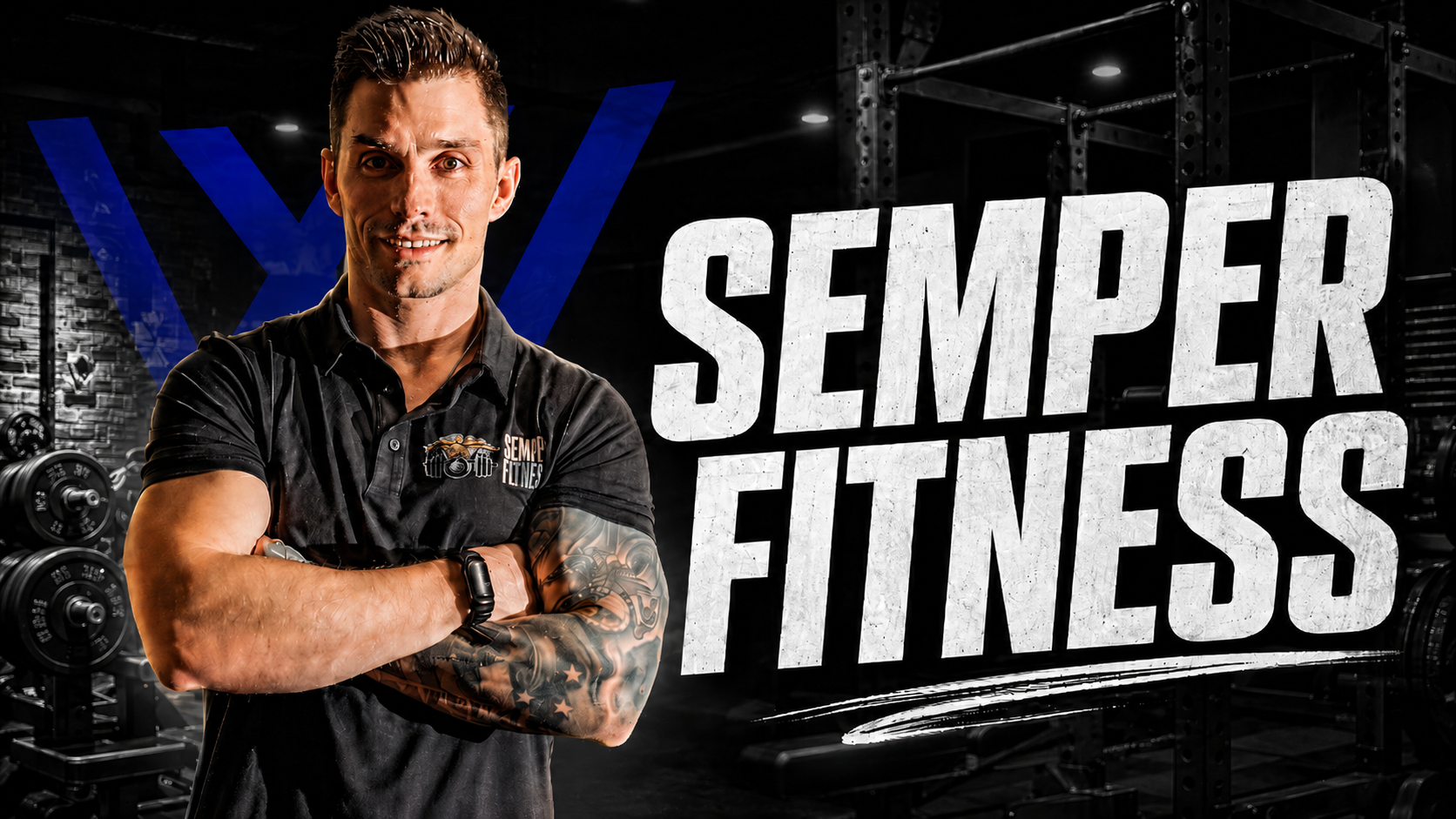
Meet Kyle Hannah from Semper Fitness. A veteran turned martial arts instructor, he’s the first to admit he’s not the most tech-savvy but Wellyx’s onboarding made it effortless, and keeping his operations smooth from day one.
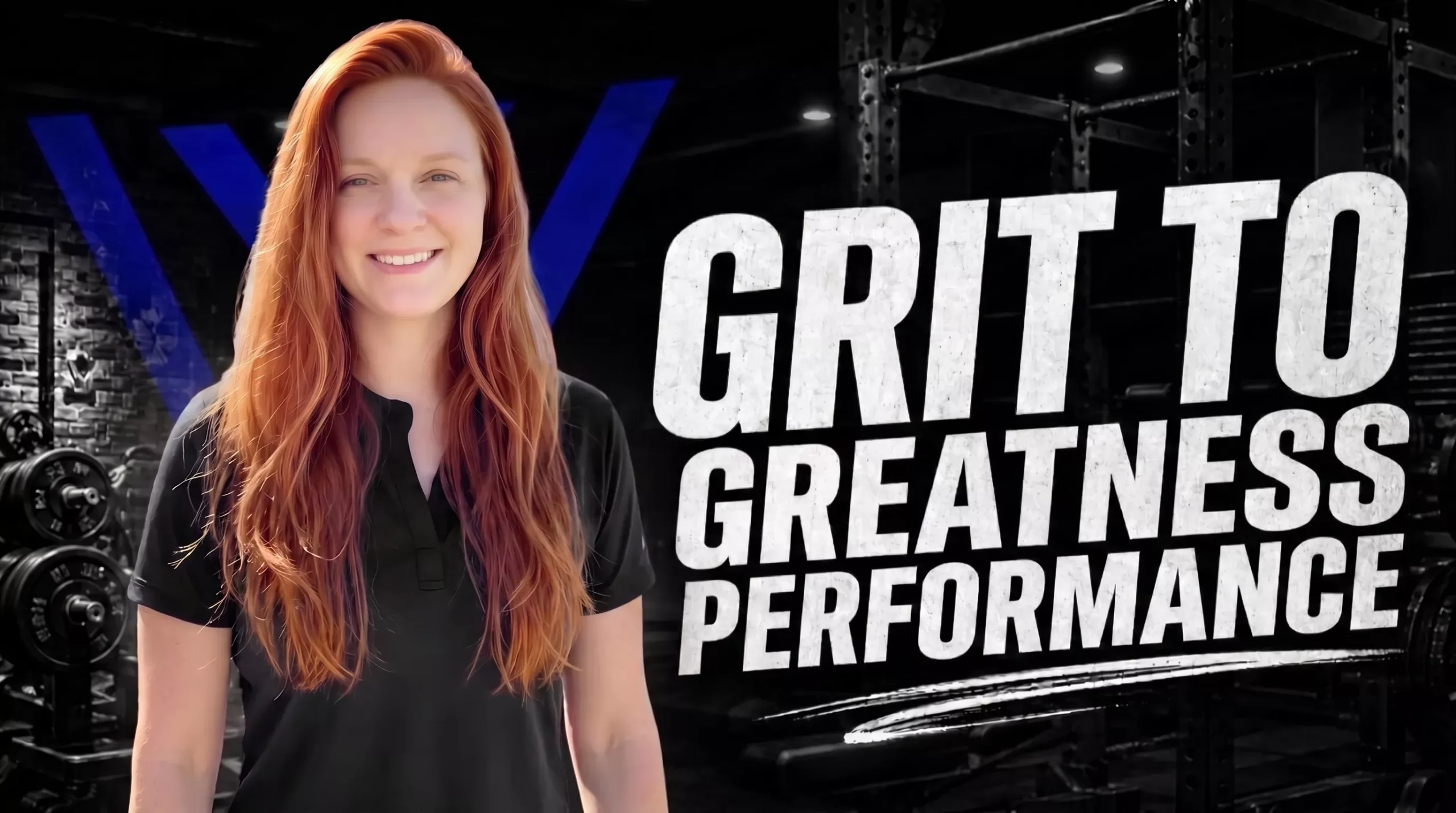
Meet Danielle from Grit to Greatness Performance Center. In Colorado, she and her husband built a cohesive team and chose Wellyx because of 24/7 multi-channel support, ensuring smooth and reliable operations.
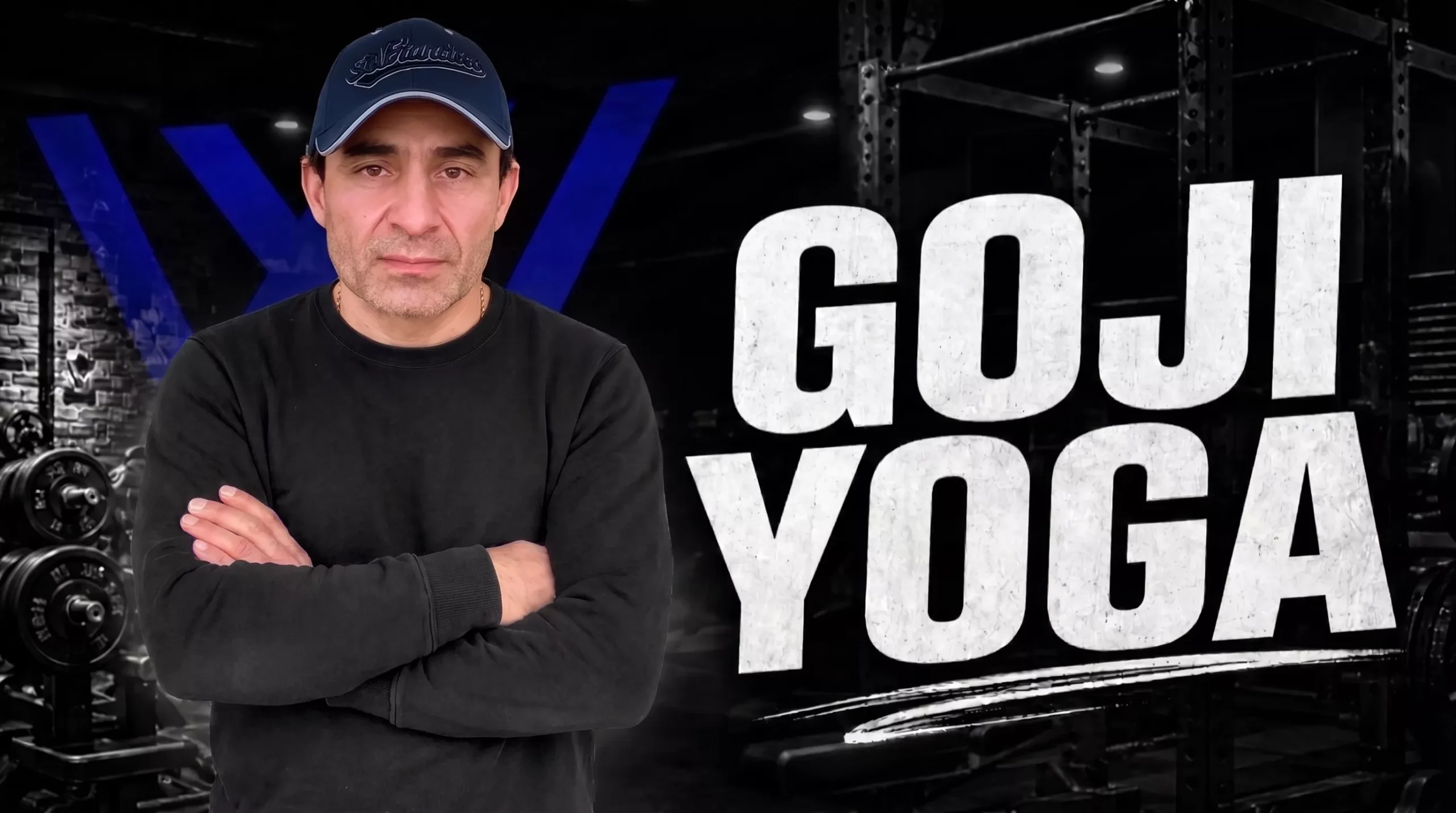
Meet Max Safaryan from Goji Yoga Focused on providing a grounding, and minimalistic experience, he chose Wellyx for its impressive depth and ability to keep his customers fully immersed.
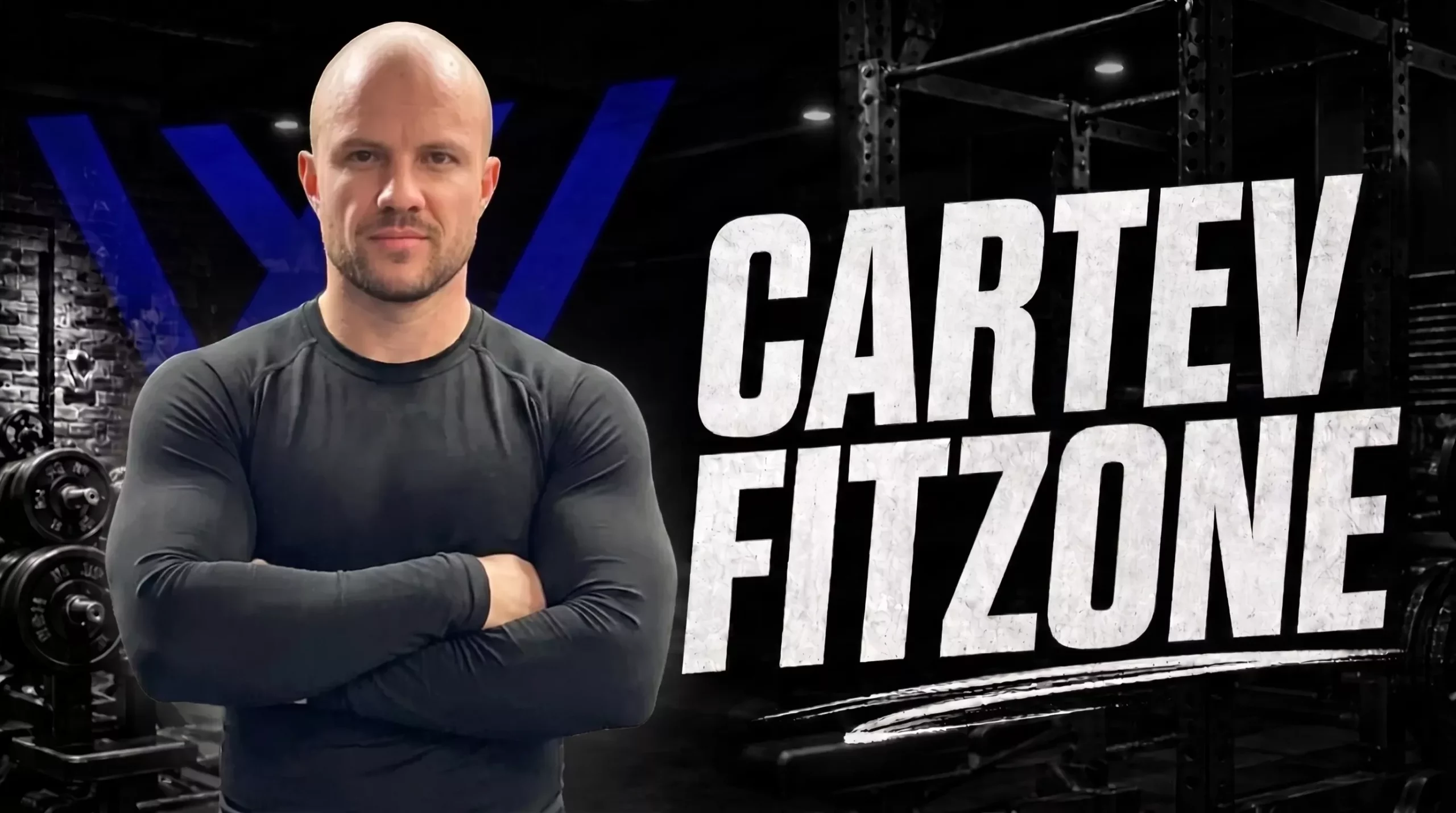
Meet Vladimir Cartev from Cartev Fit Zone. With dedication and discipline, he built a focused training space and chose Wellyx to support his growing vision and streamline daily operations.
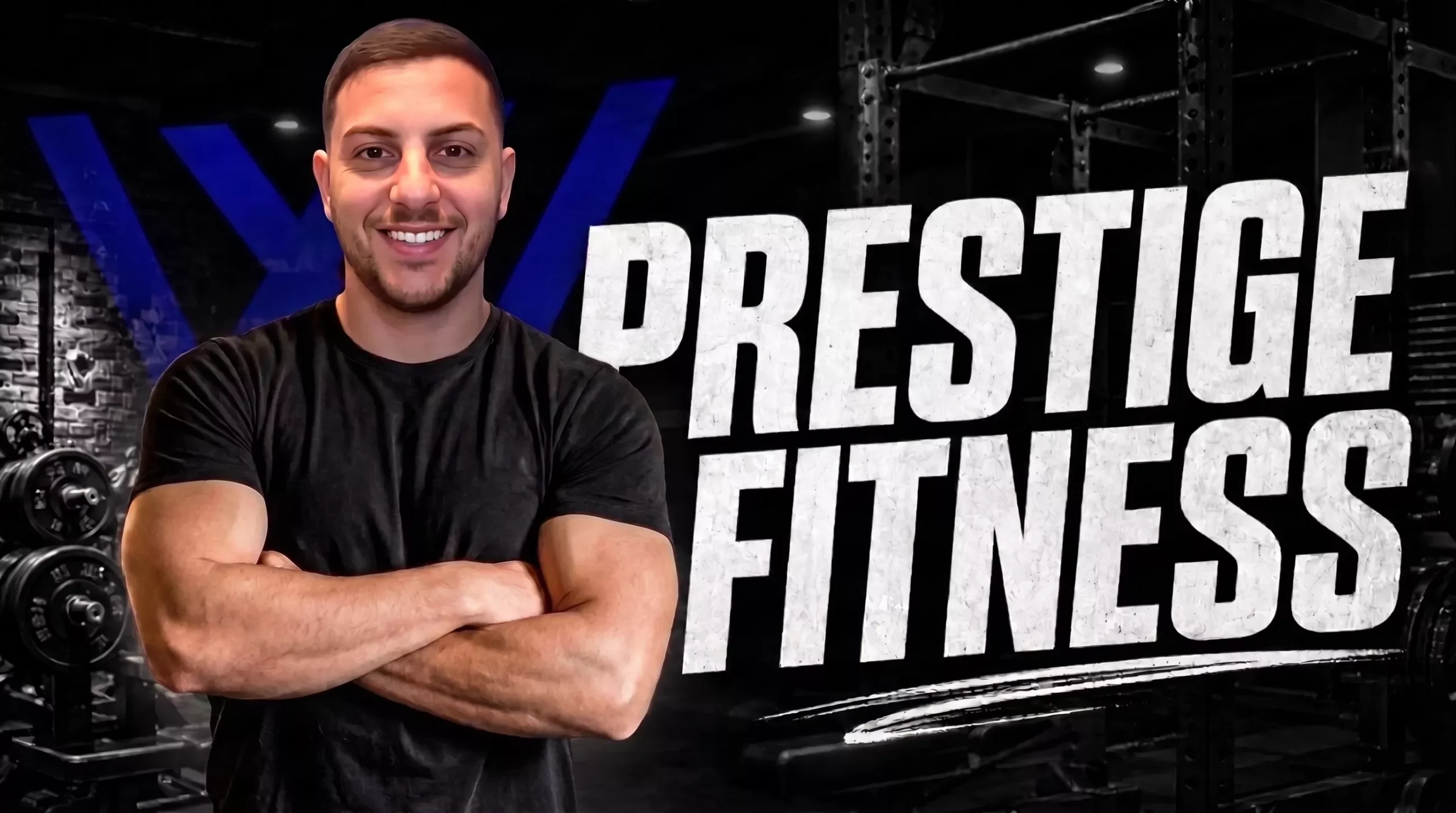
Meet Zack Camilleri, founder of Prestige Fitness in Malta. From handling VAT requirements to streamlining operations, Wellyx provided the tools he could not find in any other software.
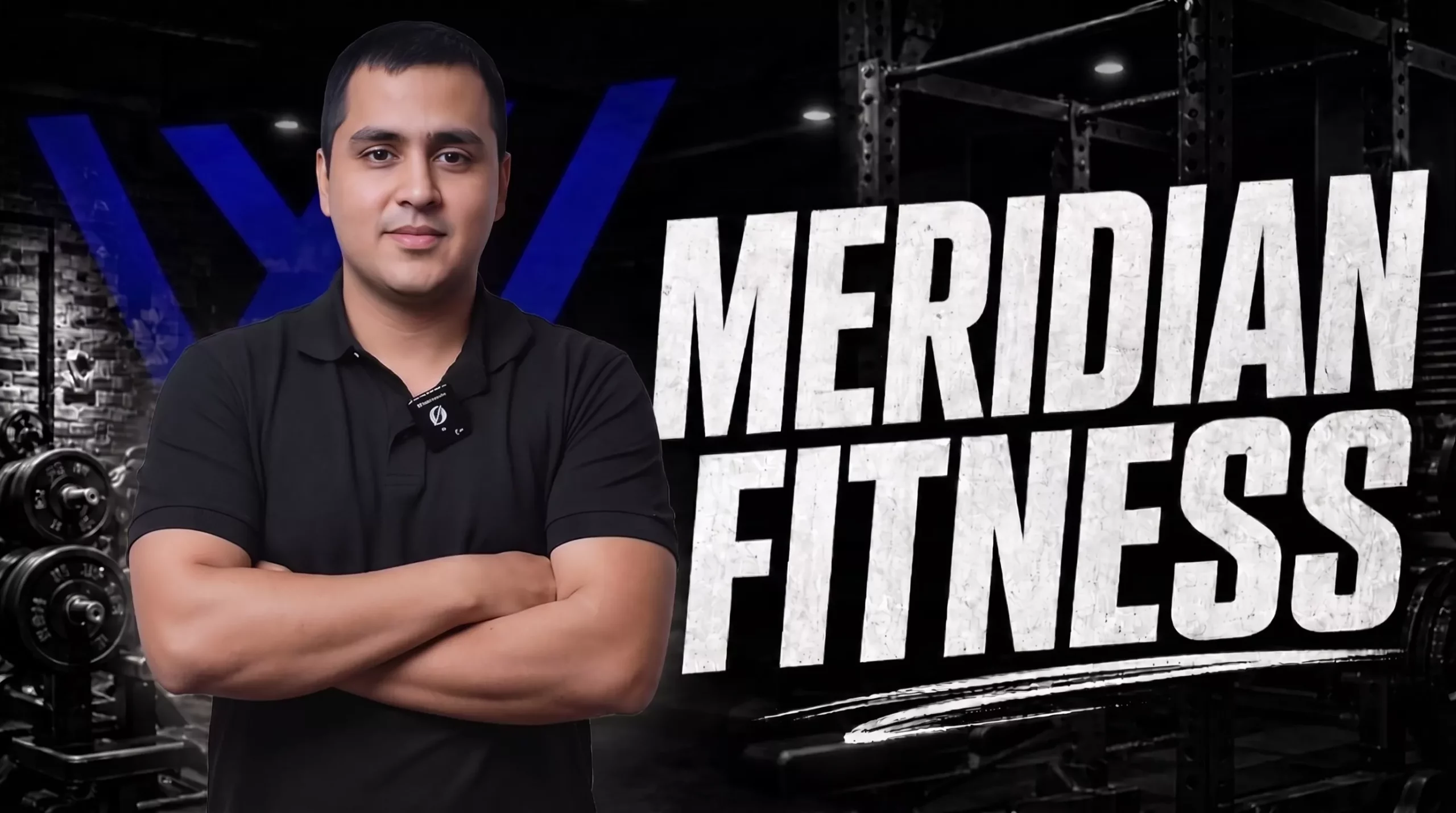
Meet Kash Mehrotra from Meridian Fitness. Managing multiple software systems was slowing growth, but with Wellyx he found one complete platform that simplified operations and improved efficiency.
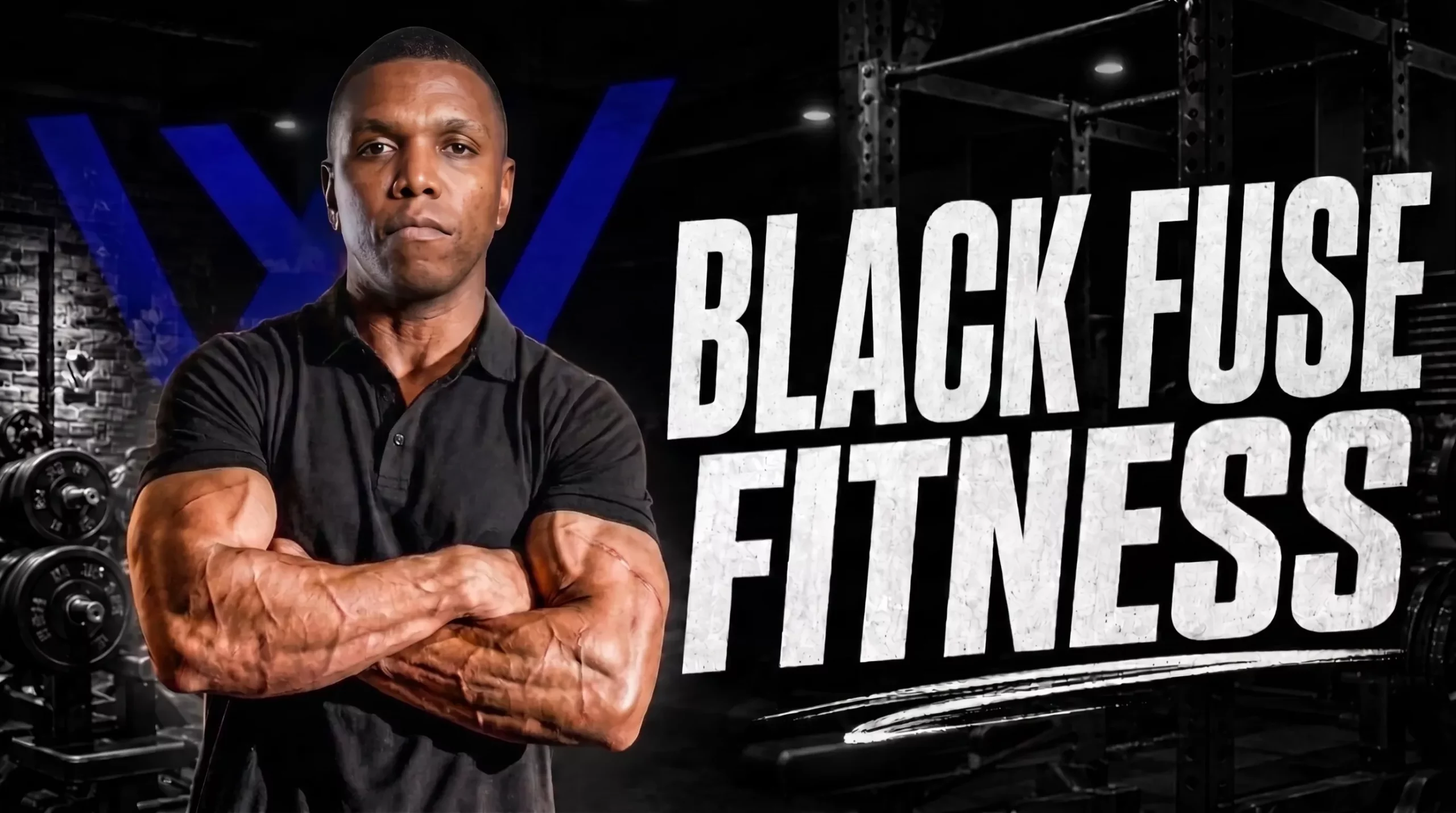
Meet Michael Walker from BlackFuse Fitness. Driven to help people reach their best physical selves, he built more than a gym and chose Wellyx to keep operations smooth and reliable.
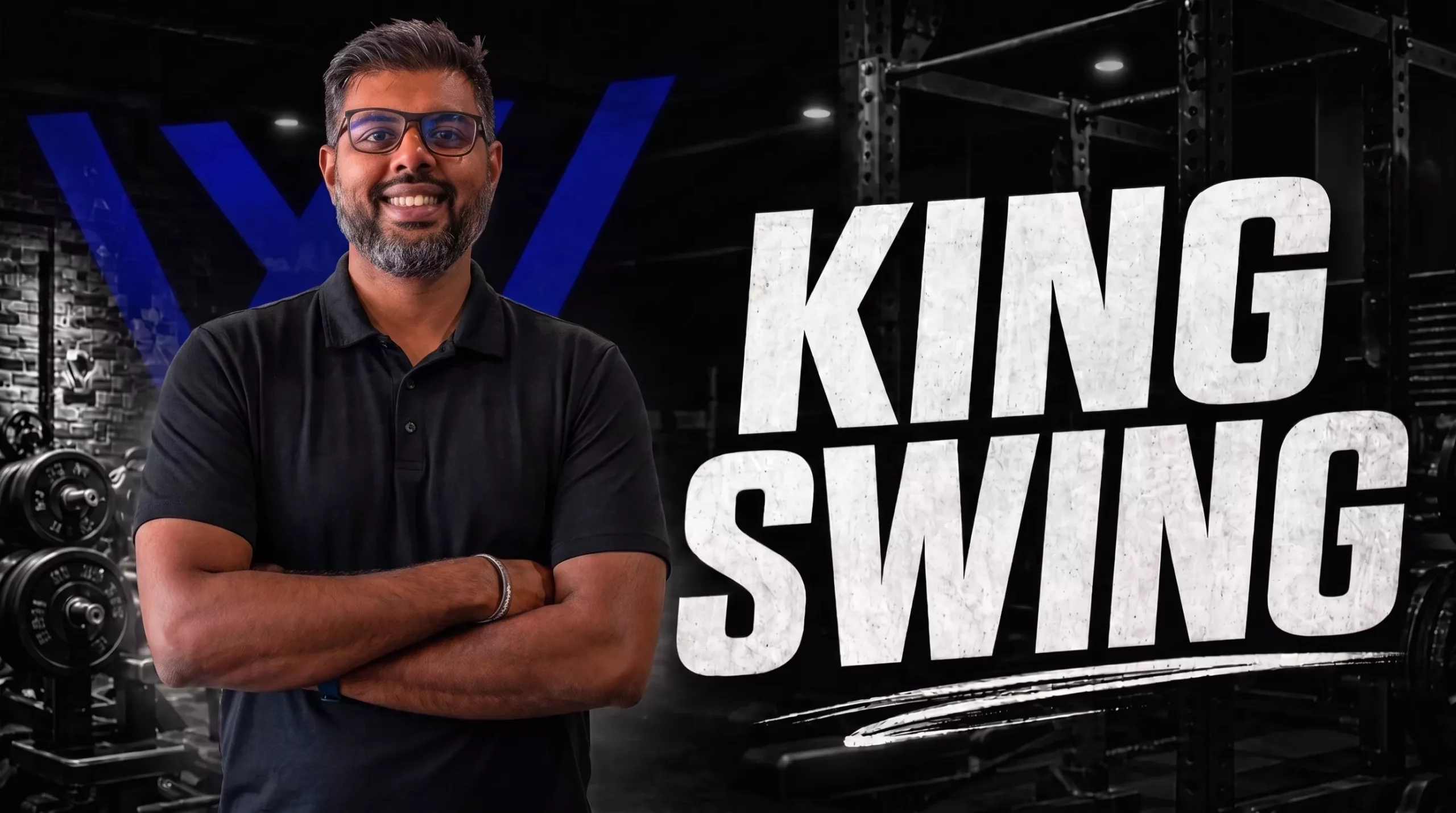
Meet Anant Naidu from King Swing. Focused on growth and efficiency, he implemented Wellyx to automate operations and build a strong foundation for long term success.
We built Wellyx to take the admin off gym owners’ plates. This series is how we get to know the people we built it for. Behind every account is someone who took a real risk, solved problems no one warned them about, and built something their community shows up for. The founder’s floor steps out from behind the software to put those owners in front of the camera, in their own words, with no script. Real gym, real results.
We use cookies to provide you with the best experience on our website. By continuing to use our site, you agree to our use of cookies.