
The founder’s floor
In this episode, Gideon sits down with Michael Walker of Black Fuse Fitness in Kingston, Jamaica, the founder who shut his gym down at its peak, then spent two years rebuilding it on his own terms.
March 3, 2026
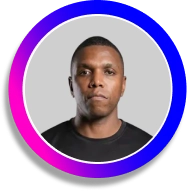
Michael Walker
Founder of Black Fuse Fitness in Kingston, Jamaica. He launched his first gym in 2019 and closed it two years later over a building-safety concern. He came back under a new brand built around fitness, apparel, and nutrition.
Black Fuse Fitness is an independent gym in Kingston, Jamaica, built in the basement of a commercial property Michael Walker co-owns with his brother. Michael came to fitness early. At fifteen, training was already changing not just his body but how he showed up at school and how he thought, and he carried that conviction into business after helping his brother launch a successful electronics venture. His first gym, Creators Fitness Center, opened in 2019 on the second floor of an aging mall and grew popular fast. The model worked. The building didn’t. When a neighboring tenant flagged signs of deterioration, Michael chose to close rather than risk it, and founded what would become Black Fuse on a simple standard: safety and consistency over speed and shortcuts.
Today Black Fuse is less a single gym than a brand with three pillars, Fitness, Apparel, and Nutrition, which intentionally spell FAN. Michael’s wife, a nutritionist, runs custom meal planning and prep. Branded gymwear is in development, and group classes, corporate wellness, and remote sessions are already rolling out. (Per the company, the first franchise location opened in 2024, with a goal of opening a new location every 12 to 18 months across Jamaica.) It’s a deliberately slow, standards-first expansion, and Michael is clear about why: people show up for consistency, not gimmicks.
This is an episode about what resilience actually costs. In 2019, Michael Walker launched a fitness facility in Jamaica that grew quickly in popularity. Within two years, the structural integrity of the building was called into question. Rather than take a shortcut or wait it out, he made a high-cost, low-visibility call: “I decided it was in the best interest of everyone, especially the safety of the members, to close.” That one move reshaped the entire business.
What followed was two years of searching. Not for a bargain, but for a space that met the standard he’d set. From 2020 to 2022 he scouted malls, negotiated leases, and presented a fully-funded business plan, only to be turned down again and again. In one case, seven proposals to the same landlord went ignored, despite vacant units and clear community demand. Members called every day asking when he’d reopen, but he wouldn’t go back into something that didn’t feel right. Eventually he self-funded a new location with his brother, converting a basement in their jointly owned property. More room, full control over quality, and none of the old structural and tenant problems.
The reopening forced a rethink of his systems, especially software. Before, the gym ran on a stack of unintegrated apps. One for memberships, another for sales, another for access control. The gaps were expensive. Expired members still had physical access because nothing automatically revoked it, a silent revenue leak hiding in plain sight. Staff were overburdened, and the business had no real-time view of itself.
Instead of layering on another tool, Michael switched to an all-in-one platform that tied membership status directly to access control. Scheduling, payments, and a branded member app came built in. “I was blown away when I realized I could actually get a mobile app for members,” he tells Gideon. The upfront price was higher than the piecemeal tools. He chose it anyway. “Don’t be so caught up with the costs, but rather the value you get.” The return showed up in fewer manual steps, steadier days at the desk, and a single view of the business, an operational foundation solid enough to support a new franchise every 12 to 18 months.
His own takeaway is blunter than any sales pitch. “Don’t be cheap. Not if you want to build something that lasts.” That’s the philosophy that carried a customer base through a two-year closure and still has people calling to ask when the next location opens. It’s also why he eventually moved Black Fuse onto integrated gym management software.
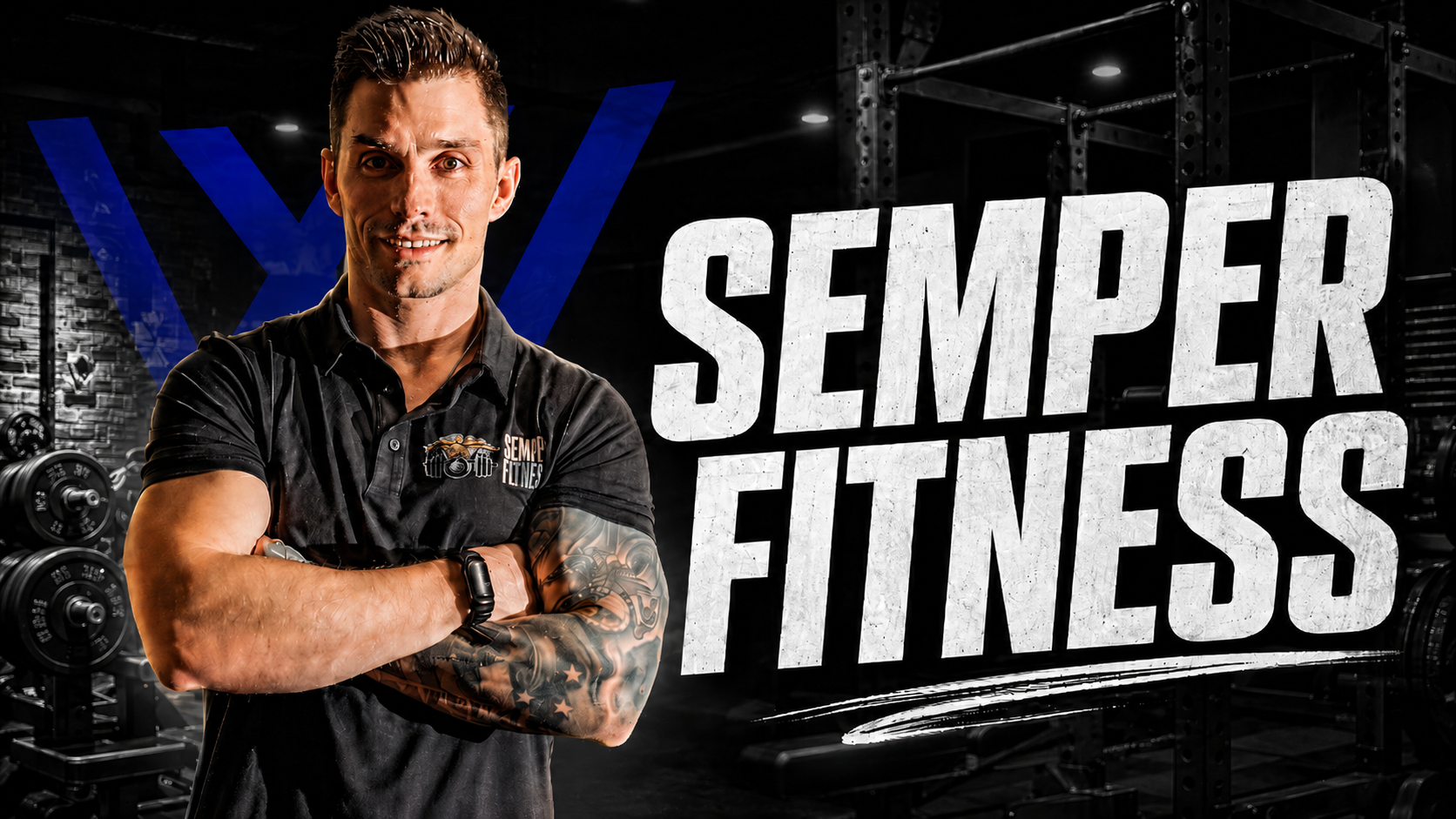
Meet Kyle Hannah from Semper Fitness. A veteran turned martial arts instructor, he’s the first to admit he’s not the most tech-savvy but Wellyx’s onboarding made it effortless, and keeping his operations smooth from day one.

Meet Max from Goji Yoga Focused on providing a grounding, and minimalistic experience, he chose Wellyx for its impressive depth and ability to keep his customers fully immersed.
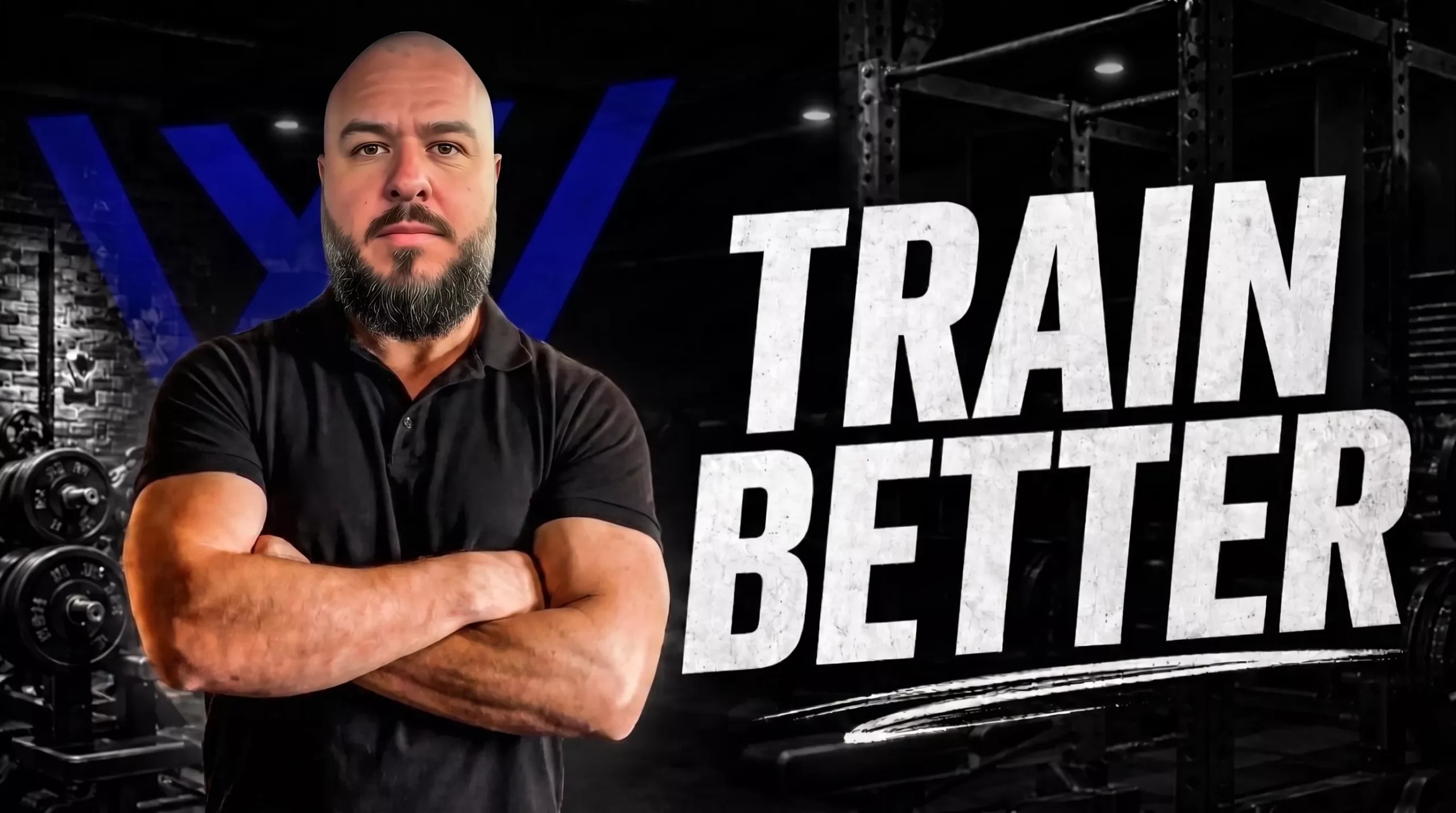
Meet Phil from Train Better. Dedicated to helping children secure collegiate scholarships and ease the financial burden on their families. He chose Wellyx for its involved and user-friendly approach, backed by 24/7 customer service.
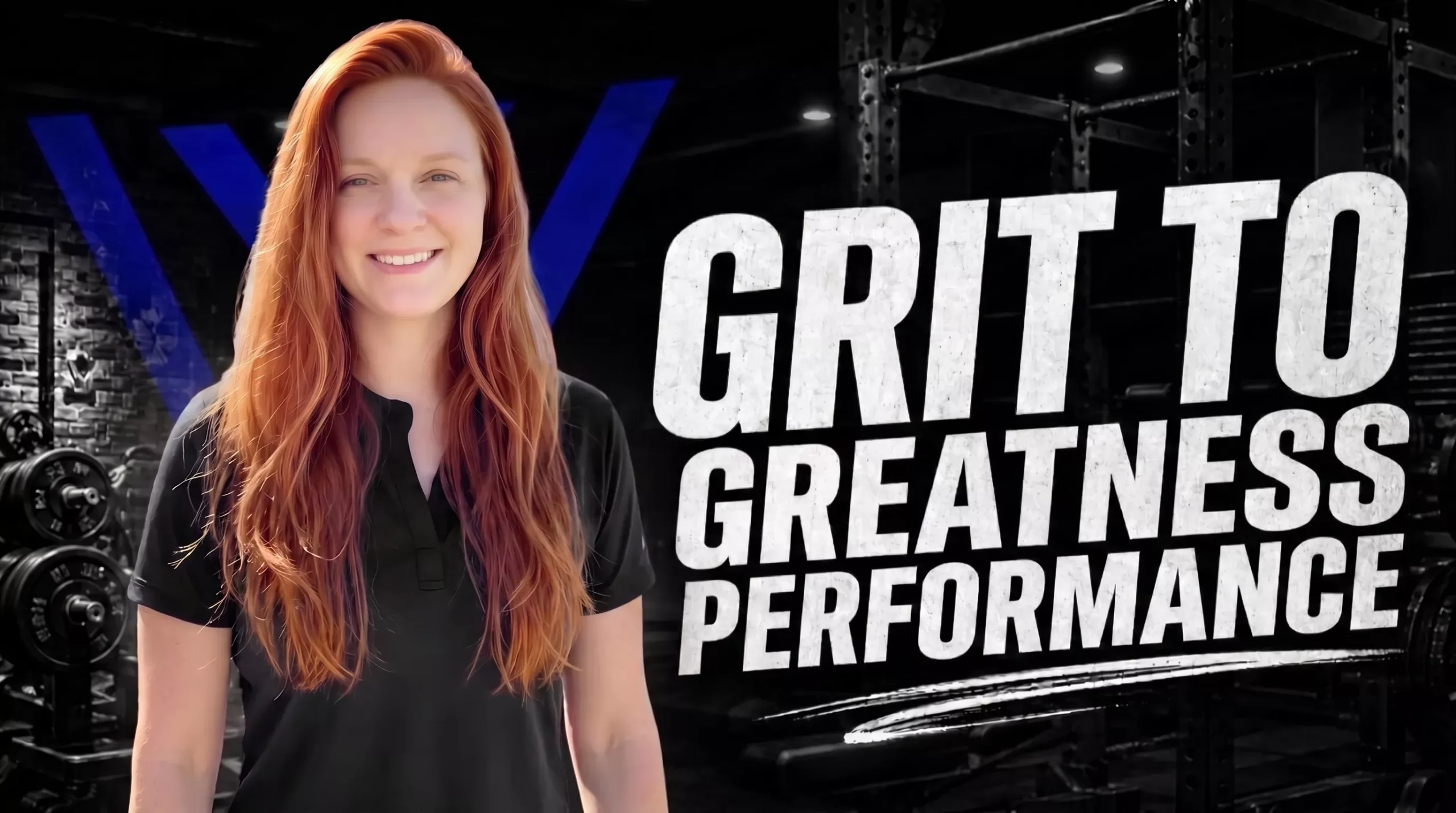
Meet Danielle from Grit to Greatness Performance Center. In Colorado, she and her husband built a cohesive team and chose Wellyx because of 24/7 multi-channel support, ensuring smooth and reliable operations.

Meet Vladimir Cartev from Cartev Fit Zone. With dedication and discipline, he built a focused training space and chose Wellyx to support his growing vision and streamline daily operations.
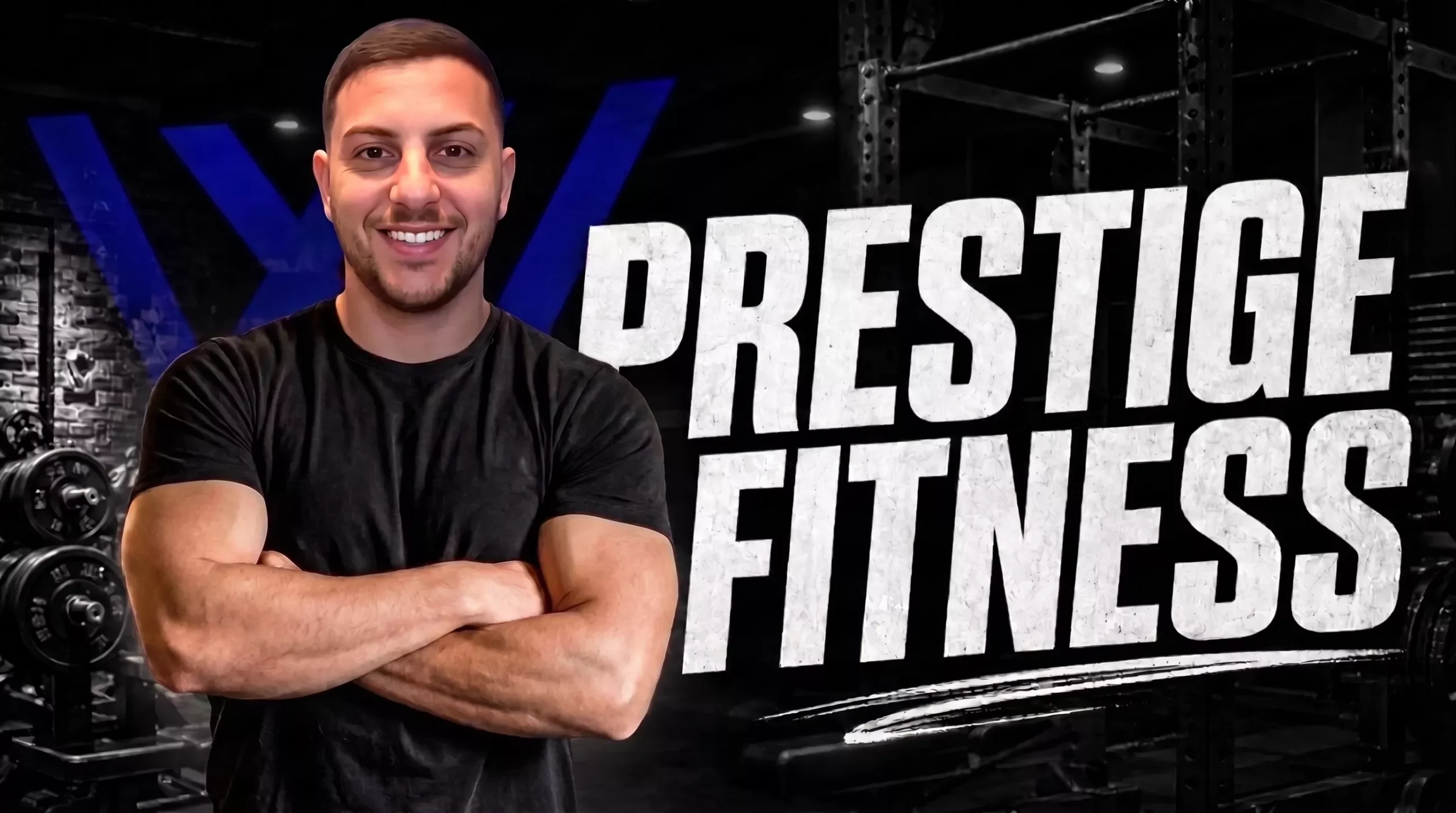
Meet Zack Camilleri, founder of Prestige Fitness in Malta. From handling VAT requirements to streamlining operations, Wellyx provided the tools he could not find in any other software.
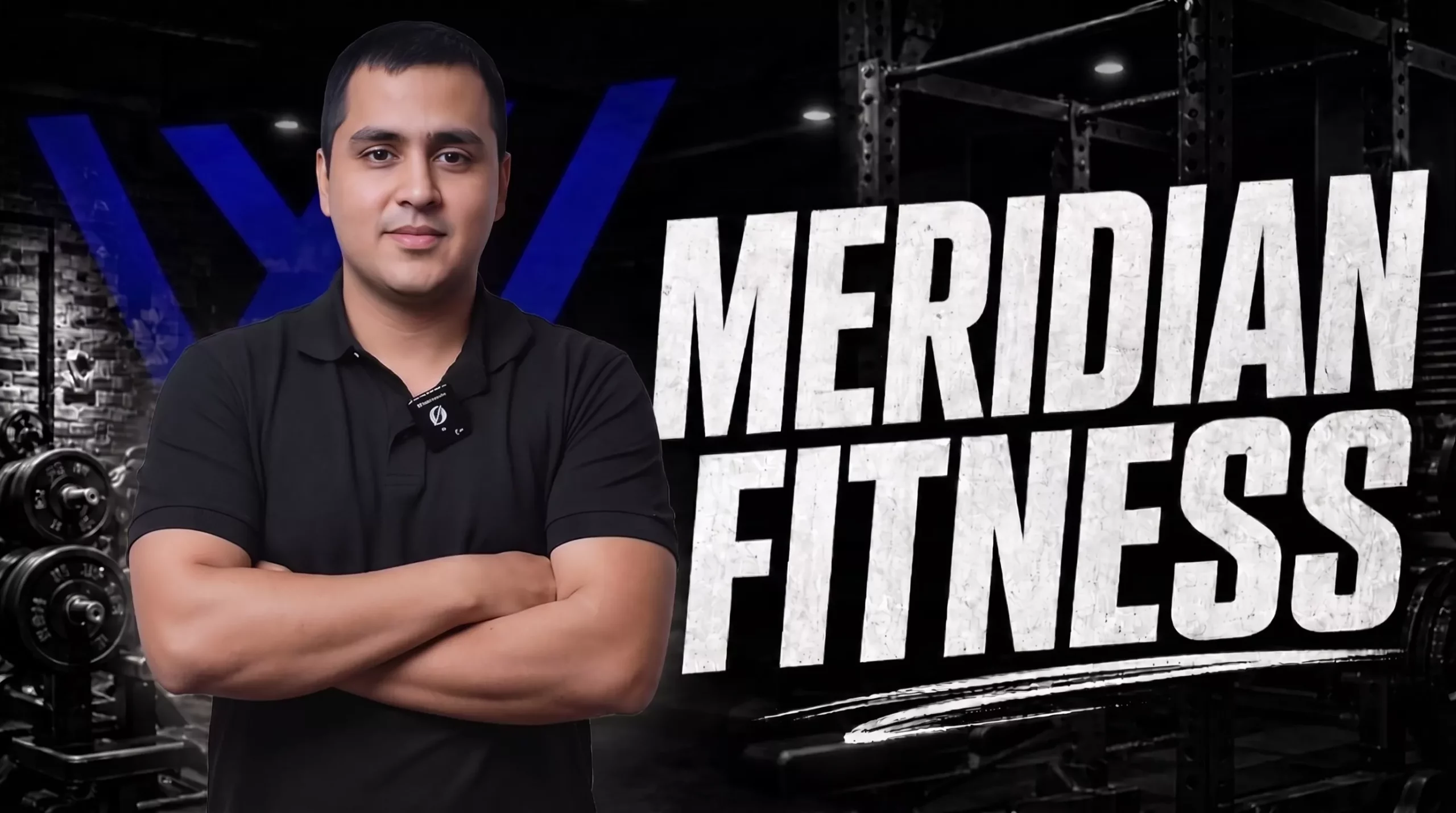
Meet Kash Mehrotra from Meridian Fitness. Managing multiple software systems was slowing growth, but with Wellyx he found one complete platform that simplified operations and improved efficiency.

Meet Anant Naidu from King Swing. Focused on growth and efficiency, he implemented Wellyx to automate operations and build a strong foundation for long term success.
We built Wellyx to take the admin off gym owners’ plates. This series is how we get to know the people we built it for. Behind every account is someone who took a real risk, solved problems no one warned them about, and built something their community shows up for. The founder’s floor steps out from behind the software to put those owners in front of the camera, in their own words, with no script. Real gym, real results.
We use cookies to provide you with the best experience on our website. By continuing to use our site, you agree to our use of cookies.